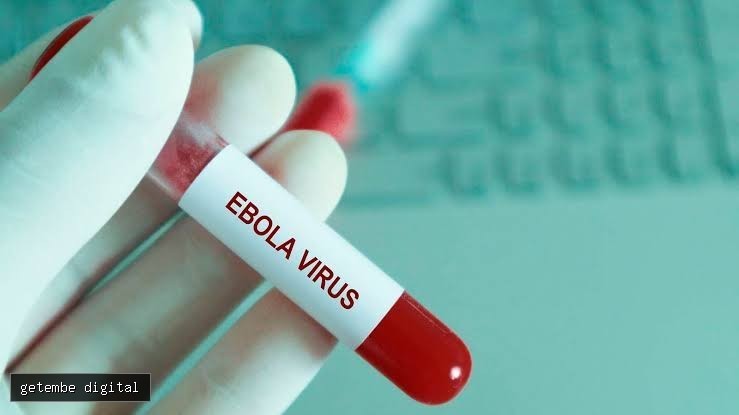
KENYA'S VACCINE RACE: CAN BIOVAX DELIVER BEFORE THE 2027 DEADLINE?
As Kenya targets its first locally made vaccine trial batch by end-2027, budget data shows major funding for BioVax — but a gap between current and earlier completion targets raises questions about whether the facility can meet its deadline.
Watch Getembe TV Live
Broadcast Getembe TV Live Stream
Listen Getembe FM Live
Tune in to Getembe FM Live Broadcast
With Kenya targeting its first locally manufactured vaccine trial batch by the end of 2027, government budget data shows that hundreds of millions of shillings are being committed to BioVax and human vaccine production. But with key construction, technology-transfer and skills targets still ahead, the question is whether Kenya can turn the facility into a functioning vaccine producer before the deadline.
Kenya is racing to manufacture vaccines locally, nearly two years after the country experienced critical shortages of several routine childhood vaccines.
The government has set a new target of releasing Kenya’s first trial batch of locally manufactured vaccines by the end of 2027, through the Kenya BioVax Institute (BioVax).
But as the deadline approaches, the bigger question is no longer whether Kenya intends to manufacture vaccines.
It is how far the country has actually gone and what remains to be done before a Kenyan-made vaccine can leave the production line.
According to Open Budget Kenya, the government has allocated KSh382.205 million to the Kenya Bio-Vax Institute under recurrent expenditure for the 2026 financial year.
A separate development budget line, Human Vaccine Production, has received KSh244 million for 2026.
The two allocations should not be treated as one figure because they are separate budget lines under the Health Innovations sub-programme. Open Budget Kenya lists the KSh382.205 million under the Kenya Bio-Vax Institute and the KSh244 million under Human Vaccine Production.
The Human Vaccine Production allocation has fluctuated over the past four budget years, standing at KSh500 million in 2023, KSh200 million in 2024, KSh100 million in 2025 and KSh244 million in 2026.
Meanwhile, allocations to the Kenya Bio-Vax Institute itself stood at KSh150 million in 2023, KSh281.5 million in 2024, KSh253.35 million in 2025 and KSh382.205 million in 2026.
That means the current budget picture shows continued government financing, but it does not mean Kenya has already spent billions on vaccine production.
The 70 per cent question
The most revealing figure in the current Open Budget data may not be the money.
Open Budget Kenya lists the 2026 target for completion of the human vaccine fill-and-finish facility, Phase 1A engineering and enabling works at 70 per cent.
The same record links the project to a KSh150 million allocation in 2026.
This is significant because the earlier BioVax budget framework had projected the fill-and-finish facility to reach 90 per cent completion in 2026, alongside a target of manufacturing one product that year.
That earlier framework had projected completion rates of 60 per cent in 2024, 70 per cent in 2025 and 90 per cent in 2026.
The figures should not automatically be interpreted as evidence of a delay because the current and earlier budget documents describe different performance frameworks. But the difference is important enough to raise a question:
Why does the current 2026 project record carry a 70 per cent target for Phase 1A when an earlier framework had projected 90 per cent completion of the fill-and-finish facility?
That is one of the questions surrounding Kenya's race against the 2027 deadline.
Even after construction and equipment installation, vaccine manufacturing requires much more than a completed building.
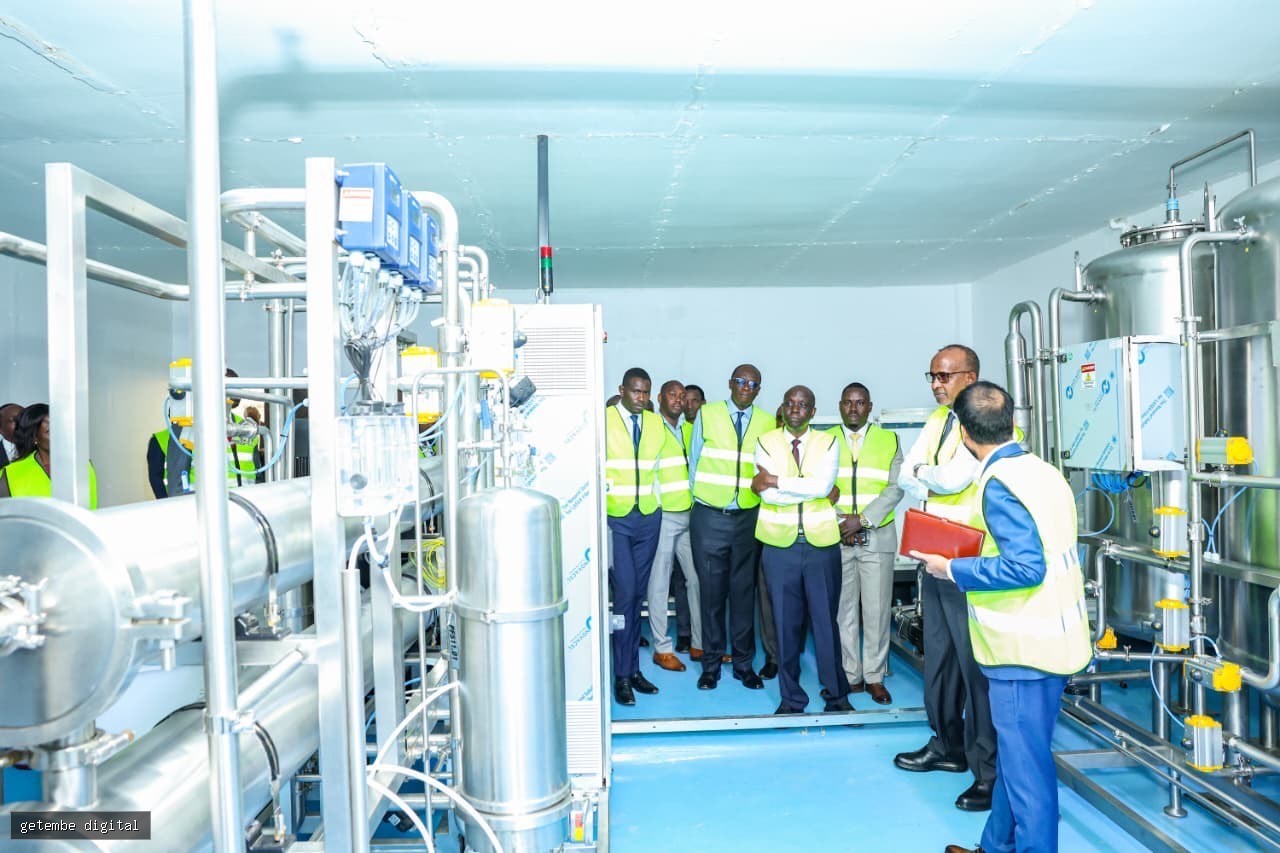
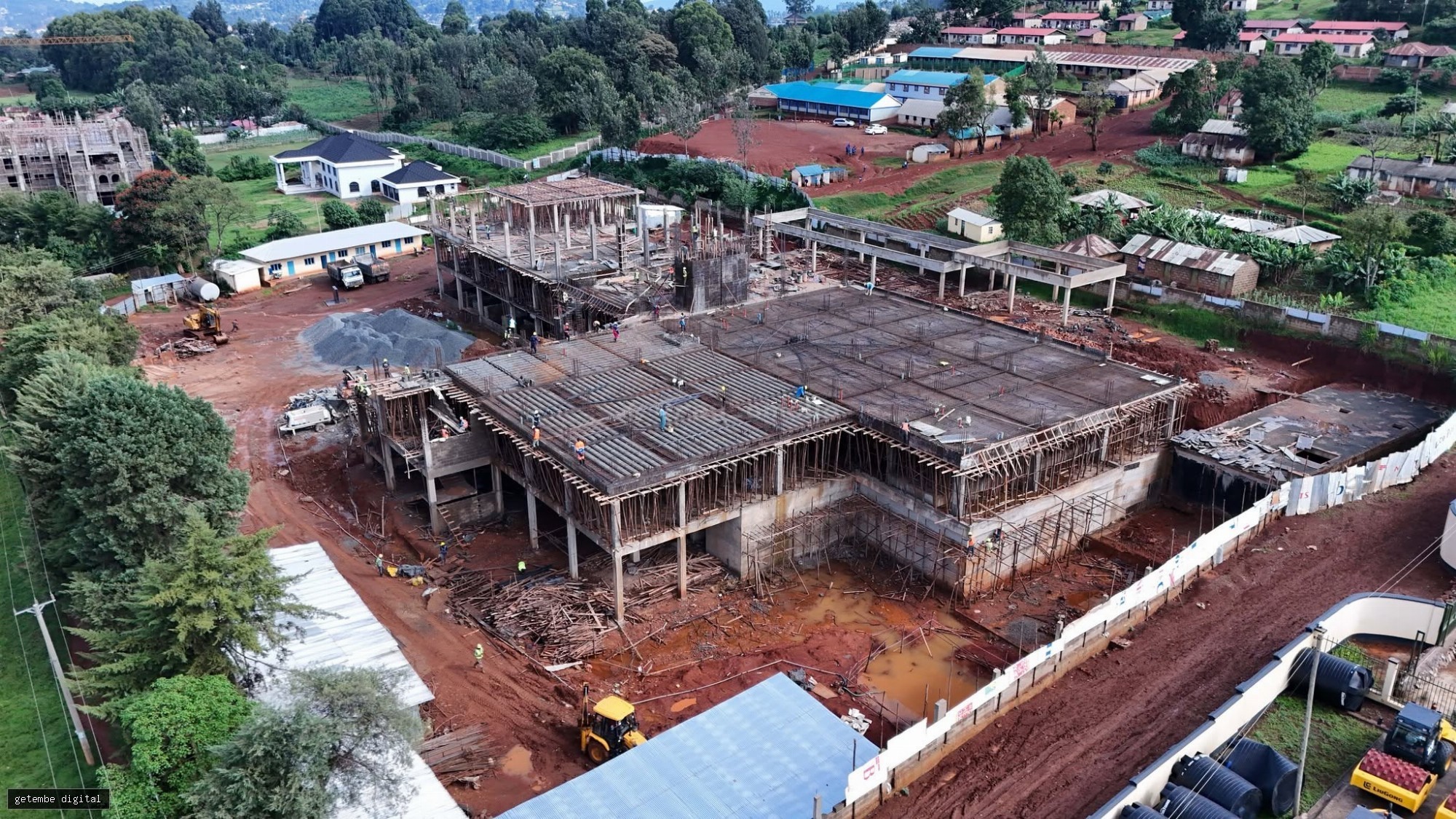
The Ministry of Health says the first phase of the vaccine manufacturing facility has been completed and the second phase is underway. The second phase involves project integration and installation of critical equipment, including advanced fill-and-finish systems.
The Ministry has also identified the next steps as installation and validation of fill-and-finish equipment, strengthening quality-control systems, developing specialised personnel and preparing the facility for compliant vaccine manufacturing.
Open Budget Kenya provides an indication of how much human-capacity development remains part of the programme.
For 2026, the Human Vaccine Production project targets:
One technology-transfer agreement
62 personnel trained in biomanufacturing processes
Two partnerships and collaborations
For 2027, those targets rise to one technology-transfer agreement, 87 trained personnel and two partnerships or collaborations.
In other words, the race is not simply about completing a building.
Kenya needs technology, specialised workers, validated equipment, quality systems and partnerships capable of supporting actual vaccine production.
The urgency became particularly clear during the COVID-19 pandemic, when African countries struggled to secure vaccines as global demand surged.
Kenya's Ministry of Health has repeatedly pointed to that experience as evidence of the risks of depending heavily on imported vaccines.
During a May 2026 visit to BioVax, the Ministry said the pandemic exposed the risks associated with reliance on imported vaccines and delays in accessing supplies. The government now views local manufacturing as part of its strategy for pandemic preparedness, routine immunisation security and regional supply resilience.
The Ministry said in 2026 that approximately KSh4.6 billion is allocated annually for vaccine procurement, in addition to about KSh2.6 billion for Kenya's co-financing obligations with Gavi.
In 2025, the Ministry estimated that Kenya required nearly KSh8 billion annually to fully meet its national vaccine needs.
Local manufacturing is therefore being presented not only as an industrial investment, but also as part of a longer-term attempt to strengthen vaccine security.
The country has previously faced serious vaccine supply disruptions.
In May 2024, the Ministry of Health acknowledged national stockouts of several routine vaccines. At the time, Kenya had less than two months of national stock for BCG, Oral Polio and Measles-Rubella vaccines, while supplies of other vaccines including pneumococcal, rotavirus, HPV and malaria vaccines were also reported to be low.
The government responded by allocating KSh1.25 billion for emergency procurement.
By June 2024, the Ministry reported receiving:
1,209,500 doses of Measles-Rubella vaccine
3,032,000 doses of Oral Polio vaccine
1 million doses of Tetanus-Diphtheria vaccine
3,129,000 doses of BCG vaccine
The Ministry subsequently said vaccine supplies had normalised and that the doses were being distributed to regional vaccine stores and health facilities.
Those shortages are not evidence of a nationwide vaccine stockout today. Rather, they demonstrate the type of supply vulnerability that the government says local manufacturing is intended to reduce.
What vaccines could Kenya produce?
The BioVax programme is designed to develop capacity beyond a single vaccine.
Kenya has been pursuing technology-transfer arrangements and biomanufacturing capacity as part of a broader effort to produce vaccines and other biological health products locally.
The country's ambitions include building capacity around vaccines used in routine immunisation as well as technologies relevant to diseases such as COVID-19, malaria and tuberculosis.
But the immediate 2027 milestone is more modest: the release of a first trial batch of locally manufactured vaccines.
That distinction matters.
The 2027 target does not mean Kenya will become completely independent of imported vaccines overnight.
The government says the first phase of the BioVax facility has been completed, while the second phase is underway. Open Budget Kenya shows a KSh382.205 million recurrent allocation to BioVax and KSh244 million for Human Vaccine Production in 2026, alongside targets for technology transfer, workforce training and partnerships.
But the remaining journey is demanding.
Equipment still has to be installed and validated. Technology has to be transferred. More specialised personnel have to be trained. Quality systems have to be strengthened, and the facility must ultimately be capable of meeting the regulatory requirements for vaccine production.
And above all, Kenya has to move from facility readiness to actual production.
The government says that first trial batch is targeted for release by the end of 2027.
With that deadline now drawing closer, Kenya's vaccine race has entered its most important phase.
The question is no longer whether Kenya has a vaccine manufacturing plan. The question is whether the country can turn that plan, its budgets and its partially completed infrastructure into an actual Kenyan-made vaccine before 2027 runs out.
Kenya is racing to manufacture vaccines locally, nearly two years after the country experienced critical shortages of several routine childhood vaccines.
The government has set a new target of releasing Kenya’s first trial batch of locally manufactured vaccines by the end of 2027, through the Kenya BioVax Institute (BioVax).
But as the deadline approaches, the bigger question is no longer whether Kenya intends to manufacture vaccines.
It is how far the country has actually gone and what remains to be done before a Kenyan-made vaccine can leave the production line.
According to Open Budget Kenya, the government has allocated KSh382.205 million to the Kenya Bio-Vax Institute under recurrent expenditure for the 2026 financial year.
A separate development budget line, Human Vaccine Production, has received KSh244 million for 2026.
The two allocations should not be treated as one figure because they are separate budget lines under the Health Innovations sub-programme. Open Budget Kenya lists the KSh382.205 million under the Kenya Bio-Vax Institute and the KSh244 million under Human Vaccine Production.
The Human Vaccine Production allocation has fluctuated over the past four budget years, standing at KSh500 million in 2023, KSh200 million in 2024, KSh100 million in 2025 and KSh244 million in 2026.
Meanwhile, allocations to the Kenya Bio-Vax Institute itself stood at KSh150 million in 2023, KSh281.5 million in 2024, KSh253.35 million in 2025 and KSh382.205 million in 2026.
That means the current budget picture shows continued government financing, but it does not mean Kenya has already spent billions on vaccine production.
The 70 per cent question
The most revealing figure in the current Open Budget data may not be the money.
Open Budget Kenya lists the 2026 target for completion of the human vaccine fill-and-finish facility, Phase 1A engineering and enabling works at 70 per cent.
The same record links the project to a KSh150 million allocation in 2026.
This is significant because the earlier BioVax budget framework had projected the fill-and-finish facility to reach 90 per cent completion in 2026, alongside a target of manufacturing one product that year.
That earlier framework had projected completion rates of 60 per cent in 2024, 70 per cent in 2025 and 90 per cent in 2026.
The figures should not automatically be interpreted as evidence of a delay because the current and earlier budget documents describe different performance frameworks. But the difference is important enough to raise a question:
Why does the current 2026 project record carry a 70 per cent target for Phase 1A when an earlier framework had projected 90 per cent completion of the fill-and-finish facility?
That is one of the questions surrounding Kenya's race against the 2027 deadline.
Even after construction and equipment installation, vaccine manufacturing requires much more than a completed building.
The Ministry of Health says the first phase of the vaccine manufacturing facility has been completed and the second phase is underway. The second phase involves project integration and installation of critical equipment, including advanced fill-and-finish systems.
The Ministry has also identified the next steps as installation and validation of fill-and-finish equipment, strengthening quality-control systems, developing specialised personnel and preparing the facility for compliant vaccine manufacturing.
Open Budget Kenya provides an indication of how much human-capacity development remains part of the programme.
For 2026, the Human Vaccine Production project targets:
One technology-transfer agreement
62 personnel trained in biomanufacturing processes
Two partnerships and collaborations
For 2027, those targets rise to one technology-transfer agreement, 87 trained personnel and two partnerships or collaborations.
In other words, the race is not simply about completing a building.
Kenya needs technology, specialised workers, validated equipment, quality systems and partnerships capable of supporting actual vaccine production.
The urgency became particularly clear during the COVID-19 pandemic, when African countries struggled to secure vaccines as global demand surged.
Kenya's Ministry of Health has repeatedly pointed to that experience as evidence of the risks of depending heavily on imported vaccines.
During a May 2026 visit to BioVax, the Ministry said the pandemic exposed the risks associated with reliance on imported vaccines and delays in accessing supplies. The government now views local manufacturing as part of its strategy for pandemic preparedness, routine immunisation security and regional supply resilience.
The Ministry said in 2026 that approximately KSh4.6 billion is allocated annually for vaccine procurement, in addition to about KSh2.6 billion for Kenya's co-financing obligations with Gavi.
In 2025, the Ministry estimated that Kenya required nearly KSh8 billion annually to fully meet its national vaccine needs.
Local manufacturing is therefore being presented not only as an industrial investment, but also as part of a longer-term attempt to strengthen vaccine security.
The country has previously faced serious vaccine supply disruptions.
In May 2024, the Ministry of Health acknowledged national stockouts of several routine vaccines. At the time, Kenya had less than two months of national stock for BCG, Oral Polio and Measles-Rubella vaccines, while supplies of other vaccines including pneumococcal, rotavirus, HPV and malaria vaccines were also reported to be low.
The government responded by allocating KSh1.25 billion for emergency procurement.
By June 2024, the Ministry reported receiving:
1,209,500 doses of Measles-Rubella vaccine
3,032,000 doses of Oral Polio vaccine
1 million doses of Tetanus-Diphtheria vaccine
3,129,000 doses of BCG vaccine
The Ministry subsequently said vaccine supplies had normalised and that the doses were being distributed to regional vaccine stores and health facilities.
Those shortages are not evidence of a nationwide vaccine stockout today. Rather, they demonstrate the type of supply vulnerability that the government says local manufacturing is intended to reduce.
What vaccines could Kenya produce?
The BioVax programme is designed to develop capacity beyond a single vaccine.
Kenya has been pursuing technology-transfer arrangements and biomanufacturing capacity as part of a broader effort to produce vaccines and other biological health products locally.
The country's ambitions include building capacity around vaccines used in routine immunisation as well as technologies relevant to diseases such as COVID-19, malaria and tuberculosis.
But the immediate 2027 milestone is more modest: the release of a first trial batch of locally manufactured vaccines.
That distinction matters.
The 2027 target does not mean Kenya will become completely independent of imported vaccines overnight.
The government says the first phase of the BioVax facility has been completed, while the second phase is underway. Open Budget Kenya shows a KSh382.205 million recurrent allocation to BioVax and KSh244 million for Human Vaccine Production in 2026, alongside targets for technology transfer, workforce training and partnerships.
But the remaining journey is demanding.
Equipment still has to be installed and validated. Technology has to be transferred. More specialised personnel have to be trained. Quality systems have to be strengthened, and the facility must ultimately be capable of meeting the regulatory requirements for vaccine production.
And above all, Kenya has to move from facility readiness to actual production.
The government says that first trial batch is targeted for release by the end of 2027.
With that deadline now drawing closer, Kenya's vaccine race has entered its most important phase.
The question is no longer whether Kenya has a vaccine manufacturing plan. The question is whether the country can turn that plan, its budgets and its partially completed infrastructure into an actual Kenyan-made vaccine before 2027 runs out.
ADVERTISEMENT
Watch Getembe TV Live
Broadcast Getembe TV Live Stream
Listen Getembe FM Live
Tune in to Getembe FM Live Broadcast
How do you feel about this article?
Let us know by choosing a reaction below.

Written by FRANKLINE NYANDORO
Reporter and staff writer at Getembe News.
Comments 0
Please log in to participate in the comments section.
No comments yet. Be the first to share your thoughts!
ADVERTISEMENT
Related Stories
Have a news tip?
Do you have an investigation, local story or news event you think we should cover? Contact our newsroom directly.
Submit Tip
Mobile App
Download Getembe Digital App Today
Download Getembe Digital App today for live news updates, breaking notifications, and seamless live streaming.