
THE SILENT SURCHARGE: PASS-THROUGH COSTS KEEP KENYAN ELECTRICITY BILLS ELEVATED
EPRA’s monthly pass-through charges have quietly added four to five shillings per unit for half a year. Here’s what households and businesses should brace for next.
Watch Getembe TV Live
Broadcast Getembe TV Live Stream
Listen Getembe FM Live
Tune in to Getembe FM Live Broadcast
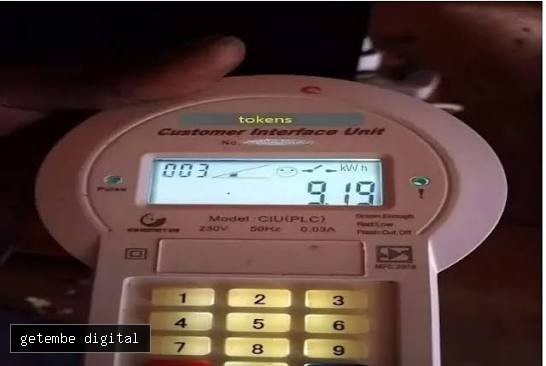
For six straight months, Kenyan electricity bills have carried an almost invisible weight. From May’s roughly KSh 4.40 extra per unit through to October’s KSh 4.10, the Energy and Petroleum Regulatory Authority’s pass-through charges fuel costs, foreign-exchange adjustments and the water resource levy have settled into a steady, unrelenting rhythm.
These are not permanent base-tariff hikes. They are monthly recalculations designed to recover real costs from thermal plants, currency swings on dollar-denominated contracts, and water used at hydropower stations. Yet their regularity has left many families and small businesses feeling the squeeze in the same quiet way: tokens that buy fewer units, bills that edge higher without fanfare.
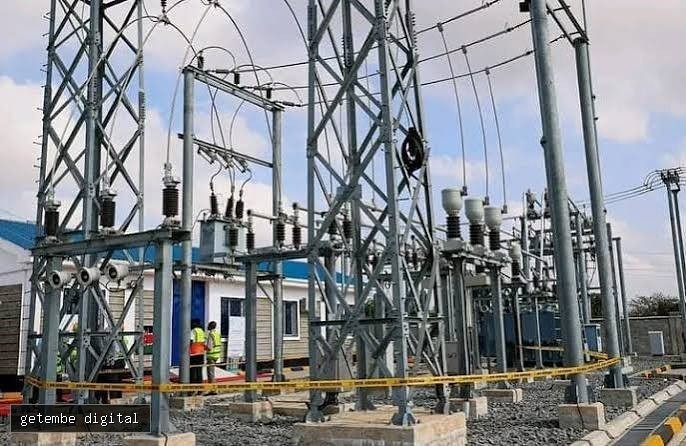
What lies ahead looks much the same. The 2023 Schedule of Tariffs that underpins these adjustments remains in force. A broader retail tariff review for the 2026/27–2028/29 period was withdrawn earlier this year precisely to shield consumers from steeper increases. That means the base rates stay put for now, but the monthly pass-throughs will continue. Every few weeks, EPRA will publish new figures based on the previous month’s fuel prices, exchange-rate losses and generation mix.
November’s numbers will depend on how much diesel thermal plants burned in October, whether the shilling held steady against the dollar, and how much hydropower the dams delivered. If fuel costs ease or the currency strengthens, the extra charge could dip below KSh 4. If thermal generation rises or forex losses mount, it could climb again toward the KSh 5 range seen in July.
For ordinary households, the human cost is measured in everyday decisions. A family using 100 units already pays an extra KSh 400-plus from these charges alone before VAT and fixed fees. Small workshops and shops feel it in tighter margins. The uncertainty itself carries a weight knowing the next Gazette notice is coming, but not knowing whether it will be slightly kinder or slightly harsher.
Long-term relief would require a shift in the generation mix toward more geothermal and other lower-cost sources, or a sustained strengthening of the shilling. Until then, the silent figures are likely to keep appearing, month after month, as the system’s way of balancing the books one unit at a time.
ADVERTISEMENT
Watch Getembe TV Live
Broadcast Getembe TV Live Stream
Listen Getembe FM Live
Tune in to Getembe FM Live Broadcast
How do you feel about this article?
Let us know by choosing a reaction below.

Written by FRANKLINE NYANDORO
Reporter and staff writer at Getembe News.
Comments 0
Please log in to participate in the comments section.
No comments yet. Be the first to share your thoughts!
ADVERTISEMENT
Related Stories

Have a news tip?
Do you have an investigation, local story or news event you think we should cover? Contact our newsroom directly.
Submit Tip
Mobile App
Download Getembe Digital App Today
Download Getembe Digital App today for live news updates, breaking notifications, and seamless live streaming.