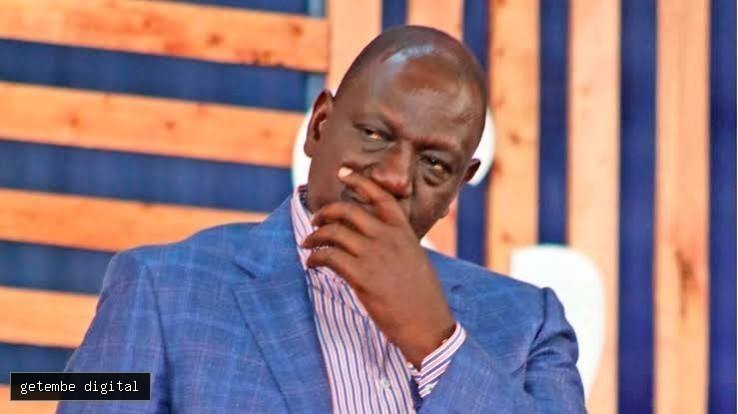
NO FREE RIDES IN OPPOSITION POLITICS: WHY GACHAGUA HAS A POINT ABOUT POLITICAL LAZINESS
Gachagua asks the opposition what everyone is bringing to the table. Is it a fair challenge, or a bid to control the movement ahead of 2027?
Watch Getembe TV Live
Broadcast Getembe TV Live Stream
Listen Getembe FM Live
Tune in to Getembe FM Live Broadcast
Rigathi Gachagua has decided to take the bull by the horns, and whether you like him or not, there is an uncomfortable argument worth considering in his latest remarks: Why should some politicians enjoy the benefits of political movements they have done little to build?
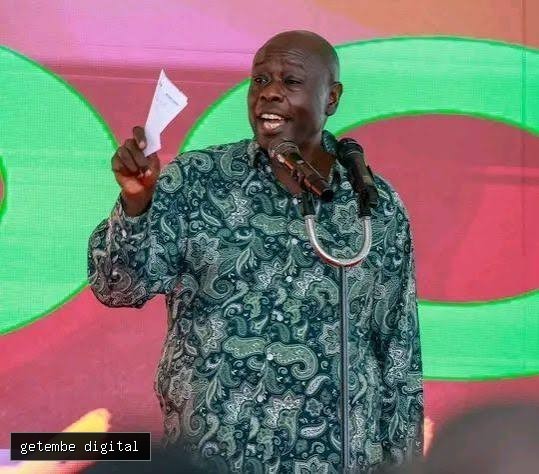
The former Deputy President has challenged opposition leaders, particularly Fred Matiang'i and Justin Muturi, to demonstrate their political strength on the ground instead of expecting others to mobilise voters before they arrive to claim leadership positions.
His argument is simple: Nobody should expect to inherit the fruits of another person's political labour without contributing to the struggle.
And perhaps this is one of the biggest lessons opposition politicians should learn from Raila Odinga's political journey.
For decades, Raila built political movements, mobilised supporters and brought together politicians under his political influence. Yet his political formations repeatedly experienced internal disagreements, shifting loyalties and competing ambitions. Some politicians appeared more interested in the opportunities created by his popularity than in building the movements that sustained it.
Gachagua appears determined to avoid a similar situation.
He does not want to spend his political capital mobilising voters, creating networks and building an opposition movement only for other politicians to emerge when the question of sharing political positions arises.
That argument deserves attention, even if one disagrees with his approach or personality.
Consider the ongoing exchanges involving Justin Muturi.
The former Attorney General has been vocal in criticising Gachagua, accusing him of political bullying, arrogance and attempting to impose his influence on the opposition.
However, Gachagua's counterargument raises another question: Beyond issuing statements and criticising fellow opposition leaders, what political structures are these politicians building?
When Peter Munya criticised Gachagua during an interview on Citizen TV, Muturi also responded publicly, demonstrating how quickly some opposition figures mobilise their communication machinery when disagreements emerge within their ranks.
There is nothing wrong with challenging Gachagua. In fact, opposition politics requires debate, accountability and the freedom to disagree.
But the same energy should be visible when mobilising voters, strengthening party structures and challenging the government on issues affecting ordinary Kenyans.
A political movement cannot survive on press statements and television interviews alone.
Of course, not everyone must contribute in the same way. Some politicians are effective grassroots mobilisers, others are negotiators, policy thinkers, financiers and organisers. What matters is that their contributions are visible and measurable.
The problem begins when political ambition becomes greater than political commitment.
Perhaps Gachagua's most important observation is that President William Ruto is not sitting around waiting for the 2027 election.
The President has continued undertaking regional tours, engaging political leaders and promoting his administration's development agenda.
He is expected to spend three days in Kisii and Nyamira from November 9 to 11, 2026, where he will launch and inspect development projects and make further announcements.
This is happening as the opposition continues debating its leadership structure, presidential ambitions and the conduct of individual members.
The contrast raises an important question: If the ruling camp is actively consolidating its political networks, what exactly are the opposition's presidential hopefuls doing to build theirs?
Take Fred Matiang'i, for example.
The former Interior Cabinet Secretary has positioned himself as a potential presidential contender, particularly within the Gusii region. However, Ruto's upcoming visit puts additional attention on the political groundwork being undertaken by those hoping to challenge him in that region.
Matiang'i cannot rely solely on his record in government, academic credentials or the political reputation he built while serving in Cabinet. Presidential ambitions require active engagement with voters and the construction of political structures beyond one's traditional strongholds.
His recent disagreements with Gachagua also raise questions about how the opposition intends to manage competing ambitions without weakening its collective campaign.
Edwin Sifuna offers another interesting example of visible political engagement.
The Nairobi Senator has remained one of the most vocal figures in the opposition, consistently engaging supporters and criticising the Ruto administration.
Even after losing his position as Senate Deputy Minority Whip in July 2026, Sifuna has continued participating in political mobilisation and public engagements.
His growing involvement in the Linda Mwananchi movement has also demonstrated the importance of building political connections beyond parliamentary positions.
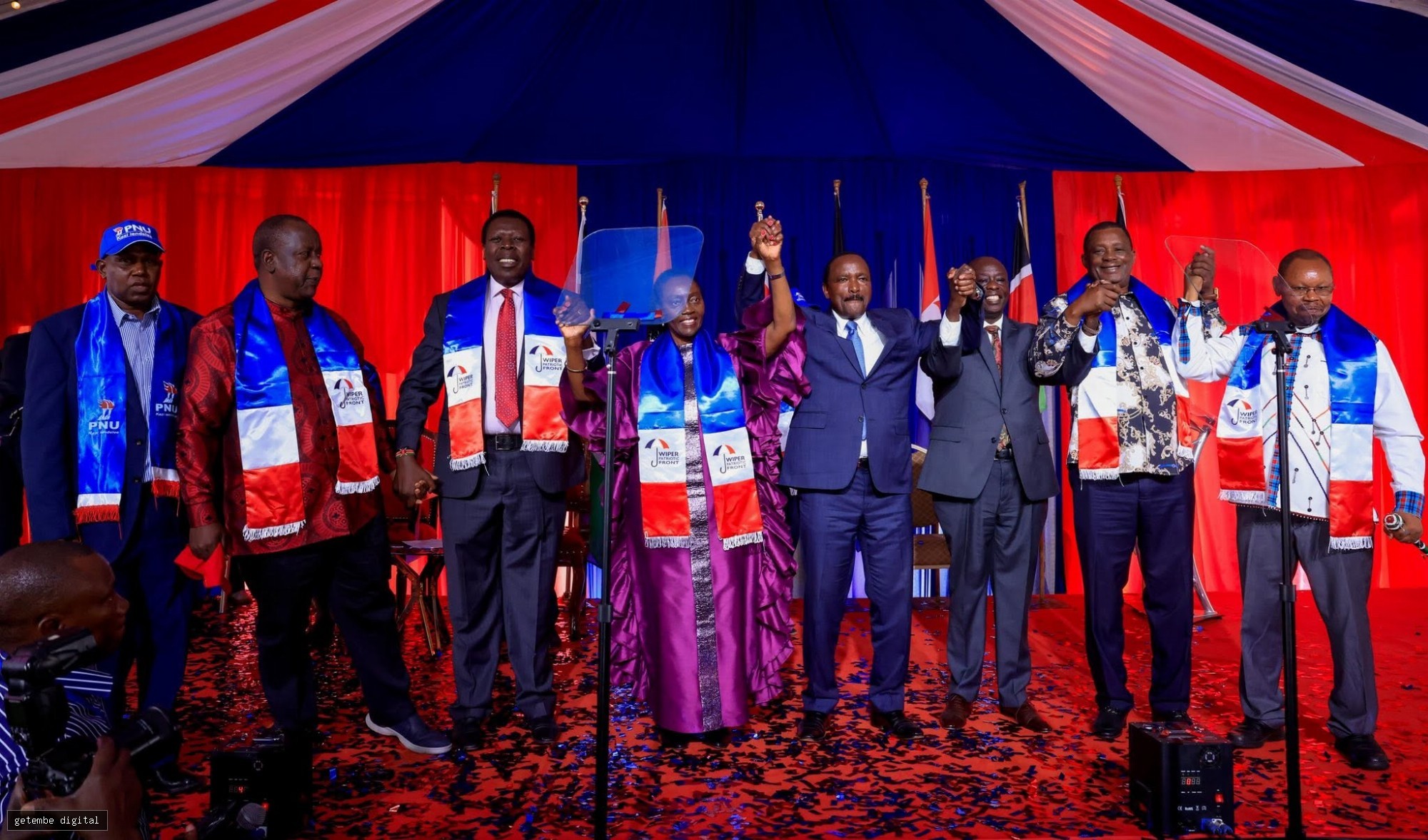
Kalonzo Musyoka has likewise maintained political engagements and mobilised support through his Wiper structures.
Ndindi Nyoro has also remained an active political voice, particularly on economic and governance questions.
These examples demonstrate that opposition politics requires more than announcing presidential ambitions. Leaders must establish constituencies, communicate their ideas, organise supporters and demonstrate that they can contribute to a national political movement.
Imagine politicians who have spent years building political networks being expected to surrender their influence to individuals who have not demonstrated comparable commitment simply because they possess impressive CVs or previous government positions.
Would that be fair?
Raila Odinga's political journey offers an important lesson about political loyalty, organisation and the difficulty of sustaining movements built around influential personalities.
His political influence attracted politicians from different regions and backgrounds, creating one of Kenya's most formidable political formations.
However, the history of Kenyan coalition politics demonstrates that political alliances can be fragile, particularly when the question of power-sharing emerges.
Some politicians have moved between political camps depending on their interests, while others have remained loyal to particular movements despite the political costs.
The opposition should therefore understand that unity cannot simply mean bringing together prominent names and assuming their combined popularity will translate into electoral success.
There must be a shared understanding of responsibilities, measurable contributions and a transparent mechanism for determining leadership.
Otherwise, the coalition risks becoming an arrangement in which everyone wants the benefits of victory but very few are willing to undertake the difficult work of securing it.
Gachagua's argument does not mean that he should automatically become the opposition's presidential candidate because he claims to be doing more grassroots work.
His own political approach should equally be subjected to scrutiny. Mobilisation alone does not establish entitlement to the presidency, and no individual should assume ownership of an opposition movement.
But his central question remains relevant: What is everyone bringing to the table?
If Matiang'i wants the presidency, he must demonstrate his political strength. If Muturi wants to influence the opposition's direction, he must show what his political structures contribute. If Kalonzo, Sifuna, Gachagua or anyone else seeks leadership, they must be prepared to demonstrate their value to the coalition.
The opposition cannot afford a situation where some leaders spend their time building political movements while others concentrate on negotiating positions within a government they have not yet helped defeat.
And perhaps that is the uncomfortable truth behind Gachagua's remarks.
Nobody should expect to harvest where they have not planted.
If opposition leaders genuinely want to remove Ruto from power, they must stop treating political unity as an arrangement for sharing positions and start treating it as a collective responsibility that demands work from everyone.
ADVERTISEMENT
Watch Getembe TV Live
Broadcast Getembe TV Live Stream
Listen Getembe FM Live
Tune in to Getembe FM Live Broadcast
How do you feel about this article?
Let us know by choosing a reaction below.

Written by FRANKLINE NYANDORO
Reporter and staff writer at Getembe News.
Comments 0
Please log in to participate in the comments section.
No comments yet. Be the first to share your thoughts!
ADVERTISEMENT
Related Stories

Have a news tip?
Do you have an investigation, local story or news event you think we should cover? Contact our newsroom directly.
Submit Tip
Mobile App
Download Getembe Digital App Today
Download Getembe Digital App today for live news updates, breaking notifications, and seamless live streaming.