
WHY RUTO KEEPS TAKING AIM AT UHURU: INSIDE KENYA’S MOST PERSONAL POLITICAL FEUD
From matching shirts to public barbs, why does Ruto keep attacking Uhuru? Analysis points to a mix of personal grievance and calculated politics ahead of 2027.
Watch Getembe TV Live
Broadcast Getembe TV Live Stream
Listen Getembe FM Live
Tune in to Getembe FM Live Broadcast
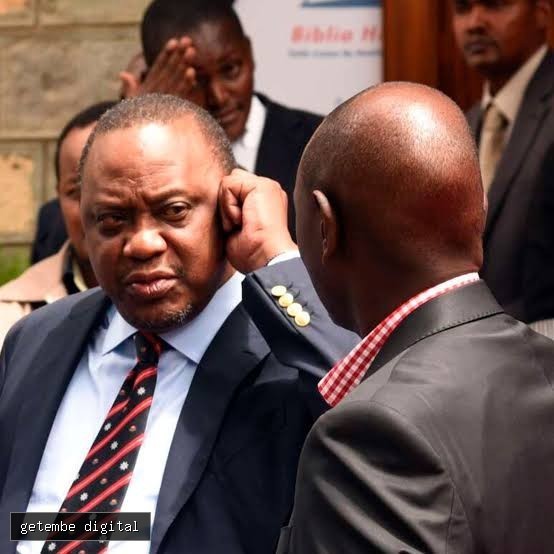
In the rough theatre of Kenyan politics, few rivalries burn with the intensity of the one between President William Ruto and his former boss, Uhuru Kenyatta. What began as a tightly knit Jubilee partnership complete with matching shirts and shared rallies has soured into a steady stream of public barbs.
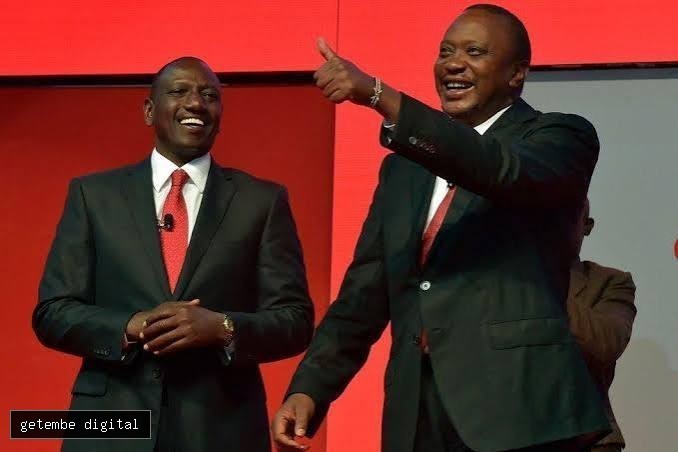
Ruto has repeatedly accused the retired president of betrayal, of sponsoring opposition figures, of failing to honour an informal “ten years for you, ten years for me” understanding, and of trying to sabotage the current administration’s development push. The attacks keep coming, often from Ruto’s home turf in the Rift Valley, and they land with purpose.
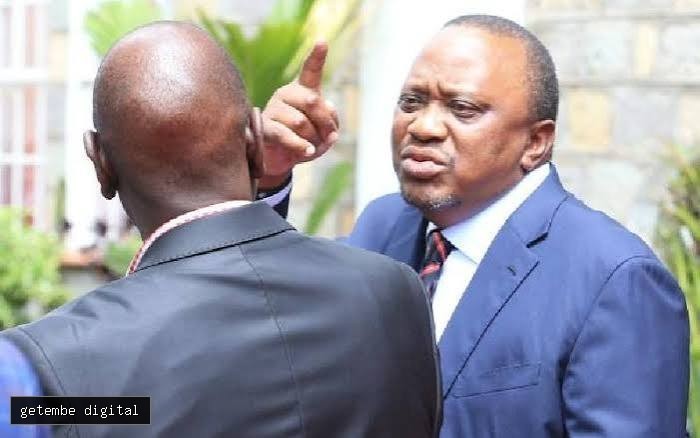
Ruto has repeatedly accused the retired president of betrayal, of sponsoring opposition figures, of failing to honour an informal “ten years for you, ten years for me” understanding, and of trying to sabotage the current administration’s development push. The attacks keep coming, often from Ruto’s home turf in the Rift Valley, and they land with purpose.
The roots run deep. Ruto stood with Uhuru through the 2013 and 2017 campaigns. When the political winds shifted after the 2018 handshake with Raila Odinga, the alliance fractured. By 2022 Uhuru backed Raila instead of his deputy. Ruto won anyway, framing himself as the outsider who beat the establishment. That victory did not close the chapter. As the 2027 race approaches, the old wounds are being reopened with fresh intensity. Recent remarks have painted Uhuru as ungrateful, a behind-the-scenes funder of rivals, and a man uncomfortable with equitable development reaching every corner of the country. The message is clear: the former president is not resting quietly; he is still in the game.
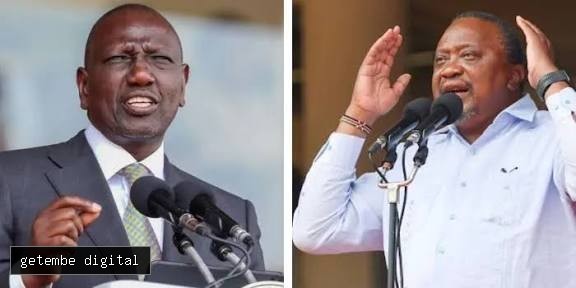
Why the continuous blows? Part of it is personal. Politics in Kenya often feels intimate. A sense of broken trust real or perceived fuels the rhetoric. Ruto has spoken of standing by Uhuru when it mattered and receiving no reciprocity when his own turn came. That narrative of loyalty repaid with abandonment resonates with supporters who see their leader as the hardworking underdog who rose against the odds.
But the sharper edge is political utility. Targeting Uhuru serves several strategic ends at once. First, it rallies the base. Speaking in the North Rift, Ruto reminds his core supporters of past sacrifices and positions himself as the defender of the hustler against dynastic influence. Second, it reframes the opposition. By casting critics and emerging challengers as proxies sponsored by the former president, Ruto turns policy disagreements into a continuity of the 2022 contest establishment versus the people. Third, it deflects. Pointing to the unfinished business of the previous administration housing, health, education reforms allows the current government to claim credit for cleaning up while shifting blame for present hardships. Fourth, it weakens a residual power centre. Uhuru retains influence, especially in Mount Kenya networks. Sustained criticism chips away at that soft power and discourages quiet alliances that could coalesce against the incumbent.
This is classic political theatre. Continuous blows keep the former president on the defensive, force his allies to respond, and dominate the news cycle. They also draw a sharp line: one side represents progress and equity; the other represents the past and obstruction. Whether the accusations of active sponsorship hold up is secondary to the narrative power they generate. In the lead-up to 2027, the rivalry is less about settling old scores and more about shaping the battlefield. Ruto is using the shadow of his predecessor as a reliable foil one that clarifies enemies, energises loyalists, and keeps the story of 2022 alive in the minds of voters.
Kenyan politics has long thrived on such personalised contests. The danger is that the constant heat can crowd out quieter conversations about governance, cost of living, and institutional strength. Yet as long as the blows deliver political returns, they will continue. The former president remains a useful target precisely because he once stood so close. In that closeness lies the fuel for an enduring, and strategically convenient, feud.
ADVERTISEMENT
Watch Getembe TV Live
Broadcast Getembe TV Live Stream
Listen Getembe FM Live
Tune in to Getembe FM Live Broadcast
How do you feel about this article?
Let us know by choosing a reaction below.

Written by FRANKLINE NYANDORO
Reporter and staff writer at Getembe News.
Comments 0
Please log in to participate in the comments section.
No comments yet. Be the first to share your thoughts!
ADVERTISEMENT
Related Stories


Have a news tip?
Do you have an investigation, local story or news event you think we should cover? Contact our newsroom directly.
Submit Tip
Mobile App
Download Getembe Digital App Today
Download Getembe Digital App today for live news updates, breaking notifications, and seamless live streaming.