
THE VILLAGE PARADOX: WHY LOOKING RICH CAN MAKE YOU POORER SOCIALLY
Why displaying wealth in rural communities can attract envy, financial expectations and social pressure, making quiet prosperity more appealing than flashy displays of success.

Watch Getembe TV Live
Broadcast Getembe TV Live Stream
Listen Getembe FM Live
Tune in to Getembe FM Live Broadcast
Imagine spending years working in Nairobi, building your finances and finally returning to your rural home with a new car, expensive clothes and plans to upgrade your family's homestead. You expect admiration, perhaps even congratulations. Instead, you become the subject of village discussions, unsolicited financial requests and questions about where your money came from.
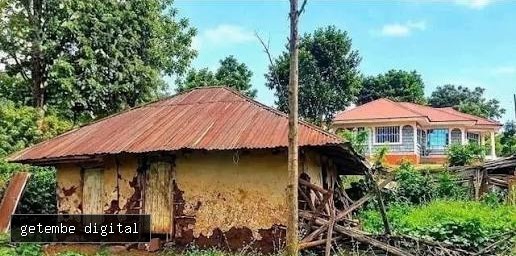
It is an interesting contradiction: in some economically struggling rural communities, having money is one thing; displaying it is another.
Unlike major cities, where people can enjoy expensive lifestyles without attracting much attention, rural communities often operate on close social relationships. Neighbours know one another's backgrounds, family circumstances and economic struggles. Consequently, even modest improvements in someone's lifestyle can become noticeable.
A new vehicle, a renovated house or a change in dressing can attract admiration, but it can also trigger suspicion, gossip and resentment. What the owner considers the reward for years of hard work may be interpreted by others as arrogance or an attempt to appear superior.
There is also a difference in how wealth is recognised. In affluent urban circles, designer clothes, expensive watches and luxury vehicles communicate status. In many rural Kenyan communities, prosperity is more closely associated with land ownership, livestock, productive farms, permanent houses and reliable equipment. Someone wearing expensive designer clothing may attract less admiration than a neighbour with several acres of productive farmland and a well-established homestead.
But perhaps the biggest challenge is the financial responsibility that comes with appearing successful.
In many Kenyan families, individual prosperity is often viewed as a collective opportunity. A relative working in Nairobi may become the first person approached when school fees are due, medical bills arise or family projects require contributions. These expectations can be rooted in genuine family solidarity, but they can also become overwhelming.
The more financially comfortable someone appears, the more others may assume they can afford to help. A person may therefore find themselves managing not just their finances but also the expectations created by their visible success.
Psychologically, this creates a conflict between wanting recognition and wanting to belong. People naturally desire to enjoy the rewards of their hard work, but they also want to maintain good relationships with those around them. In communities where economic differences are pronounced, conspicuous wealth can create social distance.
Some individuals consequently choose quiet prosperity. They invest privately, maintain modest lifestyles and avoid unnecessary displays of wealth. For others, the restraint comes from years of growing up with scarcity, where saving and financial security matter more than appearances.
Practical realities also play a role. Dusty roads, muddy tracks and limited maintenance services can make expensive vehicles, delicate clothing and other luxury possessions less practical. In such environments, functionality often matters more than appearance.
There is, however, an important distinction between looking wealthy and actually being wealthy. Someone may spend heavily on luxury vehicles and designer clothing while carrying substantial debt. Another may own valuable land, rental properties and considerable savings while driving an ageing vehicle. Visible consumption does not always reflect financial security.
Ultimately, the village paradox reveals how differently prosperity can be experienced depending on one's social environment. In the city, wealth can offer anonymity and independence. In the village, it can attract attention, expectations and responsibilities.
There is nothing wrong with enjoying the rewards of honest work. Equally, financial success should not require someone to finance every expectation placed upon them or conceal their achievements to remain socially acceptable.
Perhaps the greatest luxury is not driving the newest vehicle or wearing the most expensive clothes. It is having enough financial security to live comfortably, invest wisely and enjoy life without feeling the need to prove anything to anyone.
ADVERTISEMENT
Watch Getembe TV Live
Broadcast Getembe TV Live Stream
Listen Getembe FM Live
Tune in to Getembe FM Live Broadcast
How do you feel about this article?
Let us know by choosing a reaction below.

Written by FRANKLINE NYANDORO
Reporter and staff writer at Getembe News.
Comments 0
Please log in to participate in the comments section.
No comments yet. Be the first to share your thoughts!
ADVERTISEMENT
Related Stories

Have a news tip?
Do you have an investigation, local story or news event you think we should cover? Contact our newsroom directly.
Submit Tip
Mobile App
Download Getembe Digital App Today
Download Getembe Digital App today for live news updates, breaking notifications, and seamless live streaming.