GACHAGUA, WHEN ARE YOU BRINGING SIFUNA TO THE MOUNTAIN?
Gachagua has praised Sifuna and floated Mount Kenya support, but where is the joint rally? The real test of their friendship is a shared stage.
Watch Getembe TV Live
Broadcast Getembe TV Live Stream
Listen Getembe FM Live
Tune in to Getembe FM Live Broadcast
Rigathi Gachagua has spoken warmly about Edwin Sifuna, entertained the possibility of working with him and even suggested that Mount Kenya could support the Nairobi Senator. But there is one thing that would make the political friendship much more convincing: taking Sifuna to the Mountain and addressing the people together.
So far, the public has heard the promises. What remains missing is the photograph, the shared podium and the rally where Gachagua introduces Sifuna to his political backyard.
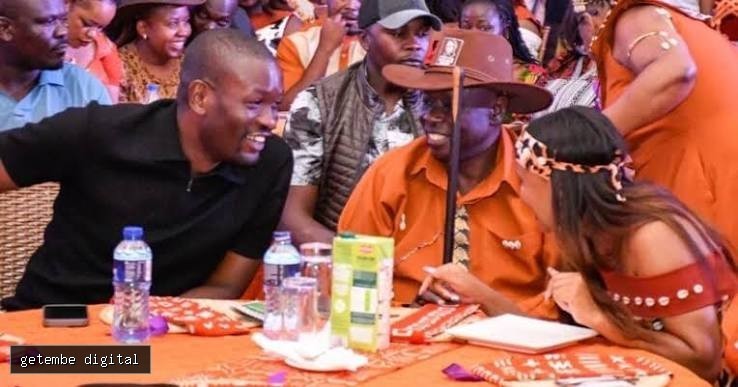
And that raises a rather interesting question: is Gachagua ready to share his political home with Sifuna, or is their friendship still more comfortable behind closed doors?
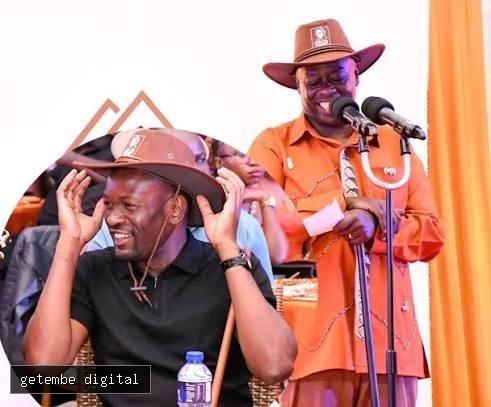
The two leaders have already held political discussions, including their meeting at Gachagua's Wamunyoro residence in Nyeri. Gachagua has also dismissed the idea that Sifuna's political background should prevent him from attracting support in Mount Kenya.
That sounds like an open invitation. But politics is rarely measured by what leaders say over a meeting table. Sometimes, the real test comes when they stand on the same stage before the people they claim to represent.
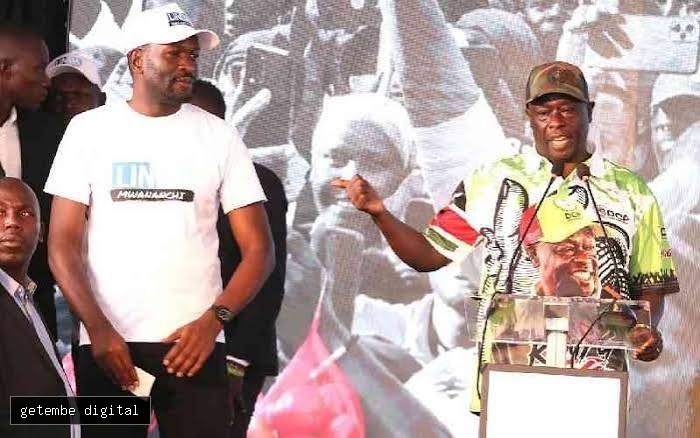
Gachagua understands the political significance of Mount Kenya better than most. His influence in the region has become a central part of his opposition politics. Naturally, bringing Sifuna into that space would be a significant statement.
It would show that the relationship goes beyond courtesy visits and political compliments. It would also give Sifuna an opportunity to introduce himself directly to an electorate that Gachagua believes could be part of a wider opposition arrangement.
But why has that moment not happened?
Perhaps the two camps are still working out their political relationship. Perhaps they do not want to create the impression that a presidential ticket has already been settled. Or perhaps they simply believe the time for joint rallies has not arrived.
Whatever the explanation, the absence leaves room for questions, especially when Gachagua has already spoken about the possibility of Sifuna receiving support from the Mountain.
There is a bigger issue here than one rally.
Gachagua has built much of his current political identity around his influence in Mount Kenya. Sifuna, on the other hand, has developed a national profile through his outspoken politics and his association with the Linda Mwananchi movement.
Bringing the two together in the Mountain would place their political chemistry before the public. It would also test whether Sifuna can connect with audiences outside his familiar political environment.
And that is where the interesting part begins.
A political alliance cannot survive on one leader praising another from a distance. At some point, the partnership must become visible, and both sides must be willing to share political space.
If Gachagua believes Sifuna can attract support in the region, a joint appearance would provide an opportunity to demonstrate that belief. It would not guarantee that residents would embrace Sifuna, but it would allow them to hear him directly rather than rely on political declarations made on their behalf.
There is also the unresolved question of who will lead the opposition into the 2027 General Election.
Gachagua has entertained the possibility of supporting Sifuna, but the opposition has several political personalities with their own ambitions and constituencies. Until a common arrangement is agreed upon, every public appearance can carry a message about leadership, influence and political positioning.
A joint rally could therefore be interpreted as more than a meeting of friends. It could be seen as a signal about the direction of the opposition and the place Sifuna occupies in Gachagua's political calculations.
That may explain why political leaders sometimes move cautiously before making their partnerships too visible. But caution also creates uncertainty, particularly among supporters who want to know whether the promised unity is real or merely convenient political language.
Ultimately, Gachagua does not have to hand Sifuna the microphone in every Mount Kenya rally. But if he genuinely sees him as a partner in a broader national arrangement, there is value in allowing the region to hear that partnership directly.
Because there is a difference between telling Mount Kenya that it can support Sifuna and actually bringing Sifuna to Mount Kenya to ask for a hearing.
For now, Gachagua has made the political suggestion. The joint stage remains the missing piece. And until that happens, the question will keep following their friendship: Gachagua, when are you bringing Sifuna to the Mountain?
ADVERTISEMENT
Watch Getembe TV Live
Broadcast Getembe TV Live Stream
Listen Getembe FM Live
Tune in to Getembe FM Live Broadcast
How do you feel about this article?
Let us know by choosing a reaction below.

Written by FRANKLINE NYANDORO
Reporter and staff writer at Getembe News.
Comments 0
Please log in to participate in the comments section.
No comments yet. Be the first to share your thoughts!
ADVERTISEMENT
Related Stories

Have a news tip?
Do you have an investigation, local story or news event you think we should cover? Contact our newsroom directly.
Submit Tip
Mobile App
Download Getembe Digital App Today
Download Getembe Digital App today for live news updates, breaking notifications, and seamless live streaming.