
BEYOND ETAYA PARK: WHERE WILL KISII BURY ITS DEAD?
Kisii has a new park where a dumpsite once stood, but families still struggle to find burial land. Who will answer for the missing cemetery space?
Watch Getembe TV Live
Broadcast Getembe TV Live Stream
Listen Getembe FM Live
Tune in to Getembe FM Live Broadcast
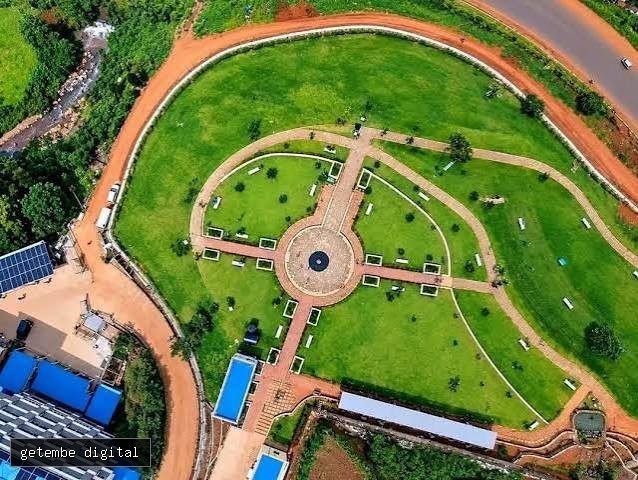
Kisii town has a new place to relax, socialise and enjoy the outdoors. Where waste once dominated the landscape of Nyambera, Etaya Governor’s Park now offers residents a green public space. The transformation, officially launched in September 2026, marks a significant change for an area long associated with environmental neglect.
Yet the park’s emergence invites a question that goes beyond landscaping, recreation and urban renewal: as Kisii creates more spaces for the living, where is the space for the dead?
For years, Kisii has struggled with a shortage of public burial land, forcing families to depend on ancestral compounds, negotiate difficult family arrangements or confront disputes that can delay burial. The crisis has also been reflected in congestion at Kisii Teaching and Referral Hospital’s mortuary, where reports in April 2023 documented 121 bodies at a facility whose modern section was designed to hold 100.
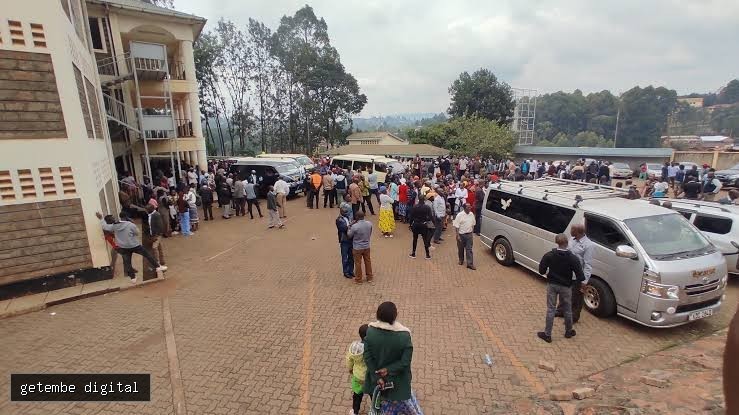
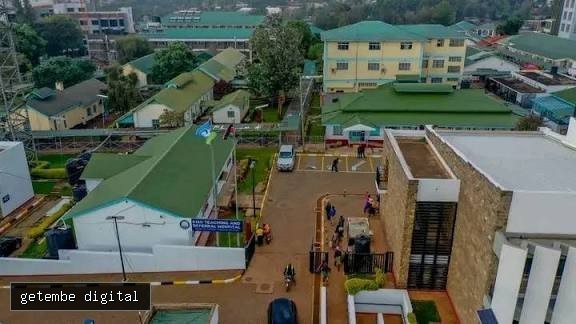
That figure belongs to a specific period, not a verified count of the current mortuary population. But it illustrates the pressure that can emerge when burial arrangements stall and the region lacks sufficient public alternatives.
The problem is not simply that Kisii needs more land. It is that land, public planning and the obligations owed to bereaved families have collided in ways that demand sustained attention.
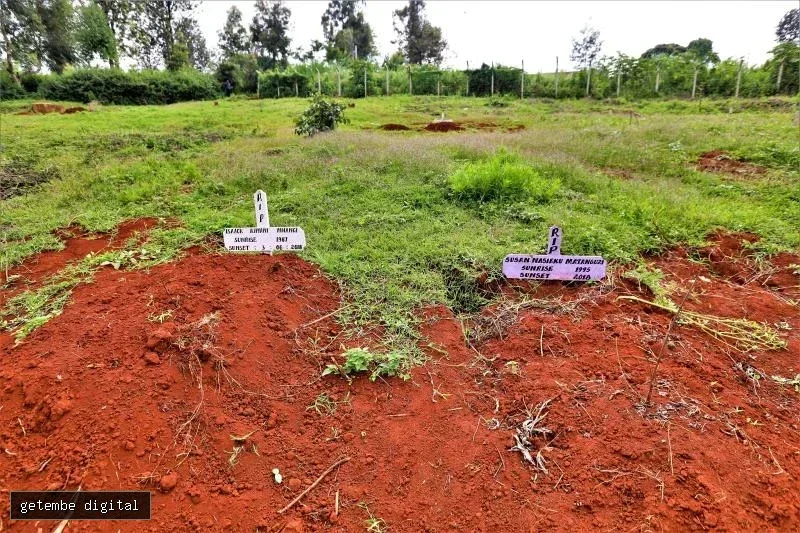
Nyambera’s history makes the transformation particularly striking. The area has been associated with a public cemetery and later became notorious for waste disposal, before the county government moved to rehabilitate the dumpsite.
The cemetery’s reported history raises serious questions about the protection and management of public land. Accounts of graves being disturbed and the area being encroached upon have contributed to concerns over how land once set aside for communal use was treated.
Today, Etaya Governor’s Park represents a different chapter. The county government has presented the rehabilitation as an environmental and recreational achievement, with the project also creating maintenance work for local residents.
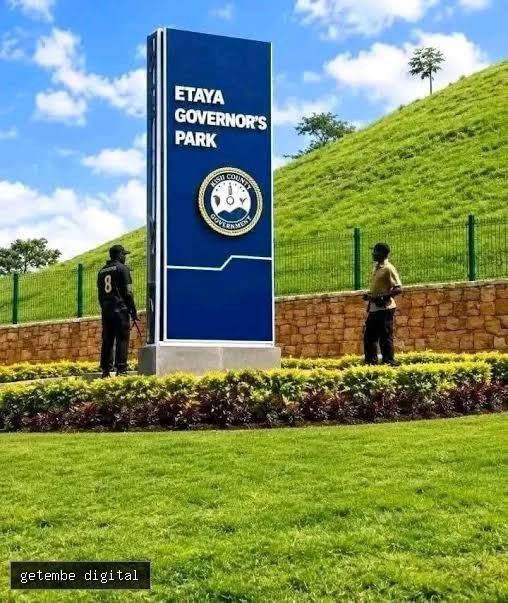
That achievement need not be dismissed. Kisii residents deserve clean public spaces, safe places to gather and accessible recreational facilities. Turning a degraded dumpsite into a green space can improve the urban environment and create economic opportunities.
But a successful transformation does not, by itself, resolve the question of burial land.
The distinction matters. The park’s present function is not proof of wrongdoing by those managing it today, nor does its existence establish that the entire cemetery crisis originated with the redevelopment. The more pressing question is whether the county has adequately addressed the shortage of burial space and the reported loss of other public land.
A town can celebrate a new park and still demand answers about its cemeteries.
The search for an alternative burial ground has previously been clouded by a controversial land transaction in Nyatieko.
The former county administration reportedly spent approximately Sh34 million on a purported 20-acre parcel intended for a public cemetery and dumpsite. The transaction was later challenged over allegations that the seller was not the legitimate owner and that the supporting documents were fraudulent.
Land Registrar Steve Mokaya reportedly described the purchase as “shamba hewa” land that existed on paper as a sale but could not provide the county with the usable property it sought.
The transaction also attracted allegations concerning the involvement of public officials. Those allegations must be distinguished from findings established through court proceedings, and responsibility should not be assigned to any individual without supporting evidence.
Nevertheless, the central public-interest question remains: how did a transaction intended to provide essential public infrastructure fail to deliver the land residents needed?
Governor Simba Arati has acknowledged that money allocated for alternative land was lost through fictitious purchases and ensuing legal battles. If public funds were spent without securing a usable site, residents are entitled to a transparent account of the transaction, the investigations conducted, any recoveries pursued and the measures taken to prevent a repeat.
Sh34 million was not merely a line in a county budget. It was money intended to meet a practical community need. The failure to secure the land left that need unresolved while exposing the public purse to loss.
For families, the consequences of inadequate burial space are more intimate than budget figures or land records can convey.
In Gusii communities, as in many parts of Kenya, burial is deeply connected to family identity, ancestral land and the responsibility to lay loved ones to rest among their people. Although customs and circumstances differ between families, the expectation that the dead should receive a dignified burial remains a powerful social obligation.
Where land is scarce, family disagreements can become more difficult to resolve. Disputes over inheritance, marital relationships and the authority to approve a burial may prolong the process. Some families can turn to private land; others have fewer options.
The mortuary then becomes part of a wider problem that it cannot solve alone. Refrigeration preserves bodies, but it cannot replace a functioning public cemetery, resolve a land dispute or settle disagreements among relatives.
Nor should every delayed burial be attributed to land grabbing. Cultural obligations, succession cases, financial hardship and other disputes can also contribute. The point is that a shortage of suitable public burial land makes an already painful situation harder to navigate.
A dignified burial should not depend entirely on whether a family owns a suitable parcel of land or can afford to negotiate its way through a crisis.
The story of Nyambera is also a reminder that public land carries obligations across generations. A cemetery, a park, a school and a health facility serve different purposes, but all require transparent decisions about ownership, access and public benefit.
The establishment of Etaya Governor’s Park demonstrates that a neglected site can be given a new use. It does not establish that the county has solved its separate cemetery shortage, recovered every parcel reportedly lost to irregular transactions or accounted fully for money spent on failed land purchases.
The county government should publish a clear account of the available public burial land, identify the status of proposed cemetery sites and explain what steps have been taken to secure a viable alternative. It should also clarify the status of the Nyatieko transaction, including any legal proceedings, efforts to recover public money and action against wrongdoing where established.
Where public cemetery land was unlawfully acquired, the relevant authorities should pursue lawful recovery. Where a site is unsuitable or legally unavailable, the county should explain the alternatives rather than leave families to navigate the problem individually.
This is not an argument against parks. It is an argument for planning that recognises the full range of a community’s needs.
Etaya Governor’s Park can become a valued part of Kisii town. Residents can enjoy its greenery, local workers can benefit from its upkeep, and the county can take pride in rehabilitating an area that once presented serious environmental challenges.
But progress must be measured by more than what a town builds above ground. It must also be measured by whether public institutions protect essential services, manage land responsibly and respond to families when they are most vulnerable.
The dead cannot demand an explanation for a failed land purchase. Bereaved families can. And the responsibility to answer belongs to the public institutions entrusted with their welfare.
Kisii has every reason to celebrate a new park. It also has every reason to insist that the search for a dignified burial ground must not be forgotten beneath the celebration.
A town should make room for its living residents to flourish. It must also make room for its dead to rest.
ADVERTISEMENT
Watch Getembe TV Live
Broadcast Getembe TV Live Stream
Listen Getembe FM Live
Tune in to Getembe FM Live Broadcast
How do you feel about this article?
Let us know by choosing a reaction below.

Written by FRANKLINE NYANDORO
Reporter and staff writer at Getembe News.
Comments 0
Please log in to participate in the comments section.
No comments yet. Be the first to share your thoughts!
ADVERTISEMENT
Related Stories


Have a news tip?
Do you have an investigation, local story or news event you think we should cover? Contact our newsroom directly.
Submit Tip
Mobile App
Download Getembe Digital App Today
Download Getembe Digital App today for live news updates, breaking notifications, and seamless live streaming.