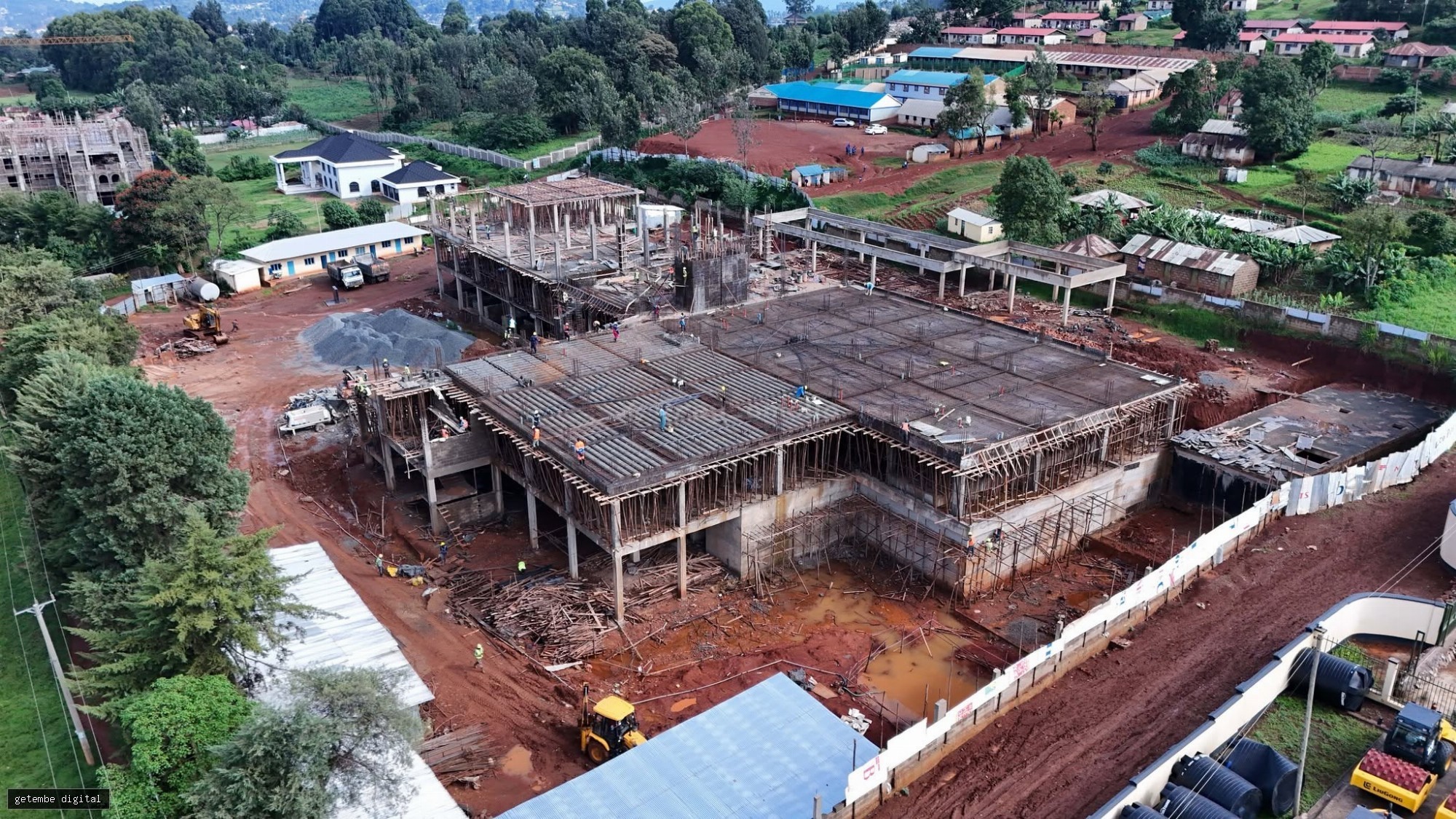
STALLED DREAMS: WHY HALF-FINISHED HOUSES ARE SPREADING ACROSS RURAL KENYA
Rising costs for cement, steel and transport, plus a squeezed cost of living and heavy taxation, are leaving half-built homes dotting rural Kenya, as families struggle to afford finishing their dream houses.
Watch Getembe TV Live
Broadcast Getembe TV Live Stream
Listen Getembe FM Live
Tune in to Getembe FM Live Broadcast
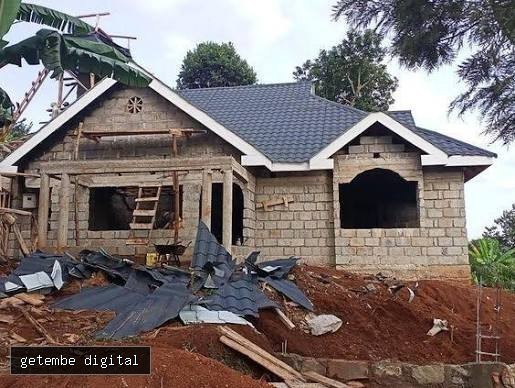
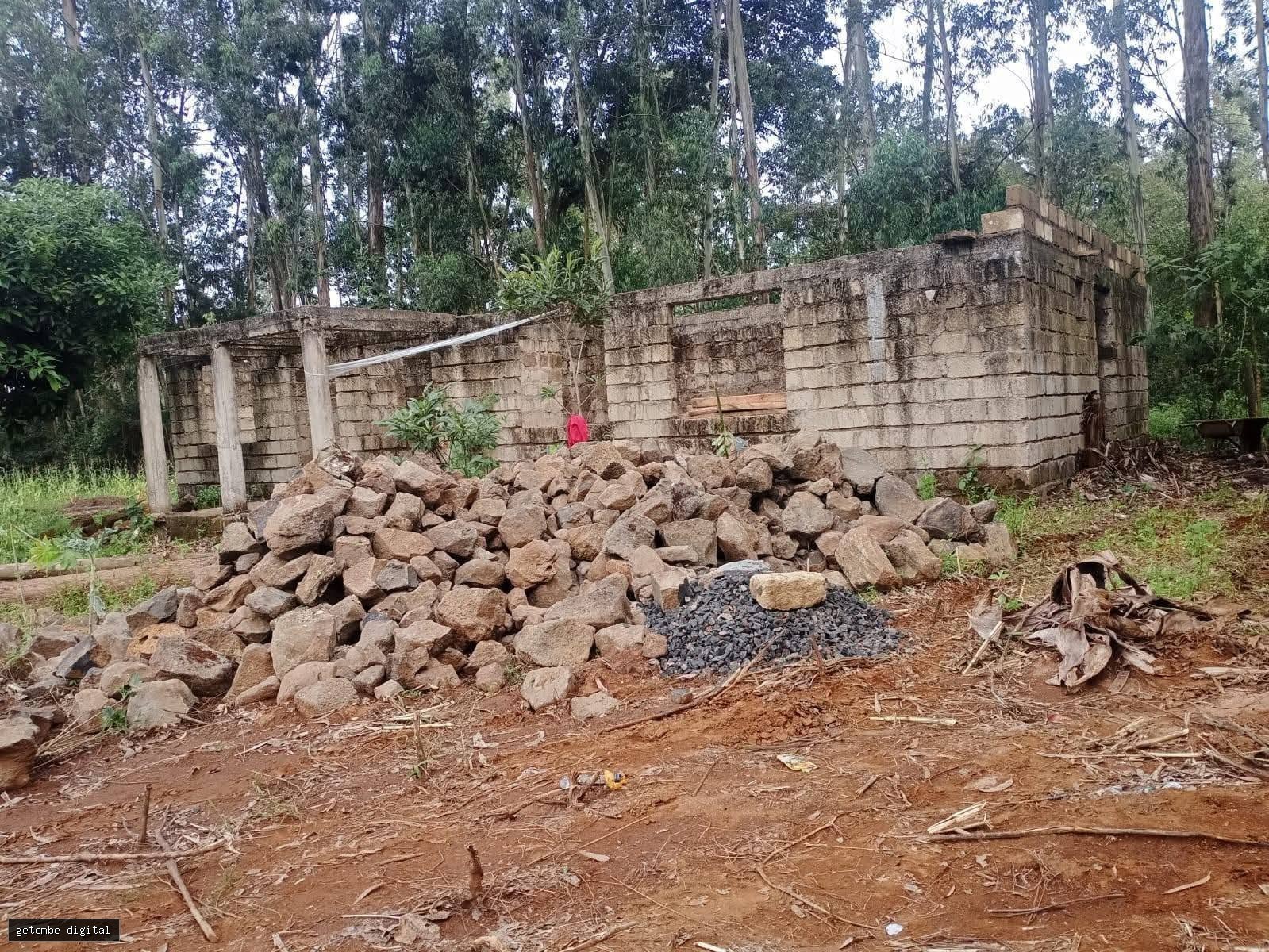
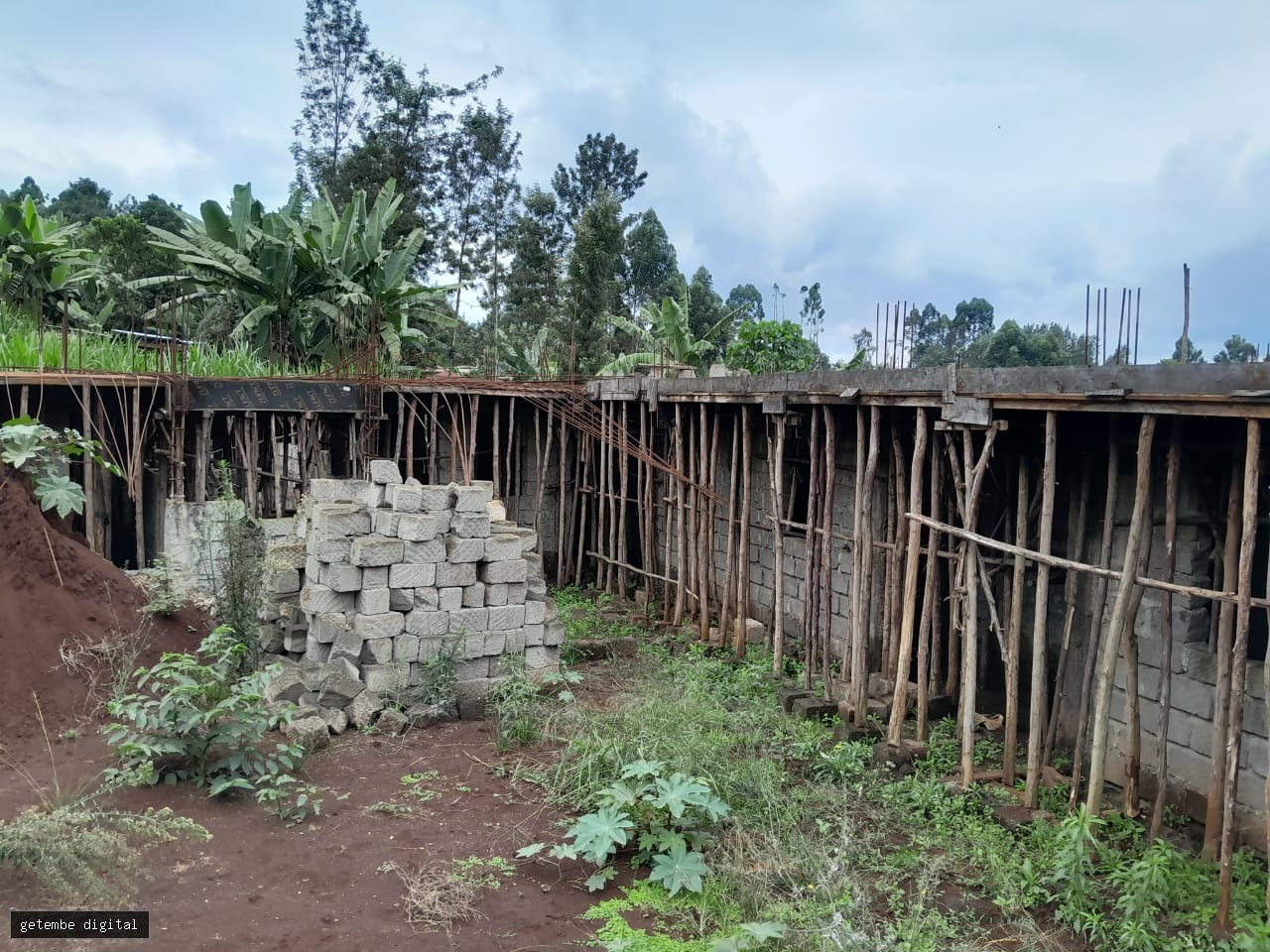
Walk through many rural villages and even smaller towns these days and you’ll notice something quiet but worrying: half-finished houses. Foundations that have been sitting for months. Walls that stopped at window level. Iron sheets stacked under trees waiting for money that never seems to come.
This is not just about people being lazy or disorganised. Construction across much of rural Kenya and the smaller towns is slowing down because building has simply become too expensive for ordinary people.
The prices of the basic things you need cement, steel, iron sheets, sand, ballast have been climbing steadily. In the second quarter of 2026 alone, the overall cost of construction inputs jumped by almost 6 percent, one of the sharpest rises in recent years. Cement went up noticeably. Transport costs shot higher because of fuel. And when fuel goes up, everything that has to be moved from the factory or the quarry to your rural plot becomes more expensive.
In the villages the pain is even sharper. A bag of cement that costs a certain price in Nairobi often arrives in the countryside with an extra transport mark-up. Steel follows the same pattern. For families who rely on farming income, casual work, or small businesses, these increases quickly push a house project out of reach.
At the same time, the general cost of living has been rising. Food, school fees, transport, medical bills everything takes a bigger share of the monthly budget. When people have to choose between putting food on the table and buying another lorry-load of ballast, the house usually loses.
High taxation makes the situation worse. Fuel taxes push up transport costs. Import-related taxes and levies affect steel and other materials that still rely on imported components. These costs do not stay with the manufacturer or the hardware shop they are passed straight to the person trying to build. The result is that many projects that were feasible two or three years ago now look almost impossible without heavy borrowing or selling land.
You see the effect clearly in the stalled sites. Some people started with high hopes during better times, only to run out of money halfway. Others have simply postponed the dream indefinitely. Local construction workers sit idle more often. Hardware shops in the smaller towns report slower sales. The whole local economy that depends on construction activity feels the squeeze.
Looking ahead, the pressure is unlikely to ease quickly. As the country moves deeper into the election period, uncertainty tends to affect prices further. Fuel costs can become more volatile. Demand for materials sometimes spikes in unexpected ways. And any additional tax measures or economic adjustments will most likely find their way into the price of building materials.
That is why the advice many people are giving right now is practical: if you already have land and you have been planning a rural home, try to make progress while you still can. Completing the structure even if the finishing has to wait locks in today’s material prices instead of tomorrow’s higher ones. Waiting in the hope that things will become cheaper is a gamble that has not paid off for most people in the last few years.
The rise in building costs, the squeeze from the cost of living, and the weight of taxation are combining to slow down one of the most important ways rural families improve their lives. The half-finished houses standing across the countryside are not just incomplete buildings. They are a sign that for many ordinary Kenyans, the simple act of putting up a permanent home has become much harder than it used to be.
If you can start or finish something now, the numbers suggest it is better to move than to keep waiting.
ADVERTISEMENT
Watch Getembe TV Live
Broadcast Getembe TV Live Stream
Listen Getembe FM Live
Tune in to Getembe FM Live Broadcast
How do you feel about this article?
Let us know by choosing a reaction below.

Written by FRANKLINE NYANDORO
Reporter and staff writer at Getembe News.
Comments 0
Please log in to participate in the comments section.
No comments yet. Be the first to share your thoughts!
ADVERTISEMENT
Related Stories

Have a news tip?
Do you have an investigation, local story or news event you think we should cover? Contact our newsroom directly.
Submit Tip
Mobile App
Download Getembe Digital App Today
Download Getembe Digital App today for live news updates, breaking notifications, and seamless live streaming.