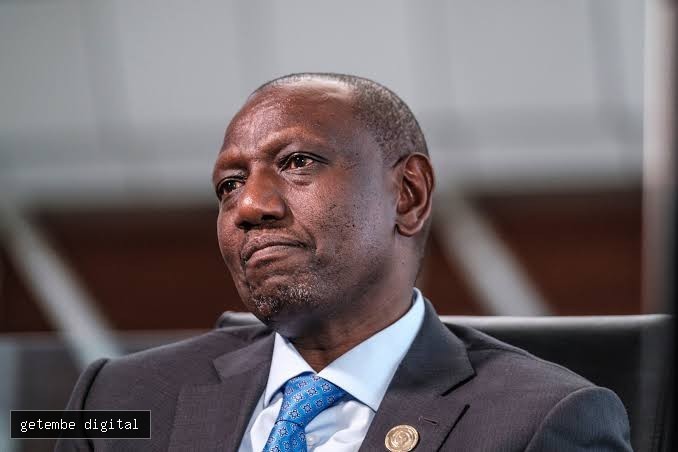
FIVE DEFEATS, ONE ENDURING BOND: THE PARADOX OF RAILA ODINGA’S POLITICAL INFLUENCE
He never won State House, but Raila Odinga shaped Kenya’s politics for decades. A look at the paradox of Baba and whether his bond with supporters can outlast him.
Watch Getembe TV Live
Broadcast Getembe TV Live Stream
Listen Getembe FM Live
Tune in to Getembe FM Live Broadcast
Raila Odinga did not need the presidency to become one of the most influential figures in Kenya’s political history. For millions of Kenyans, he was more than a politician. He was Baba a symbol of struggle, hope, resistance and the enduring belief that the country could be governed differently.
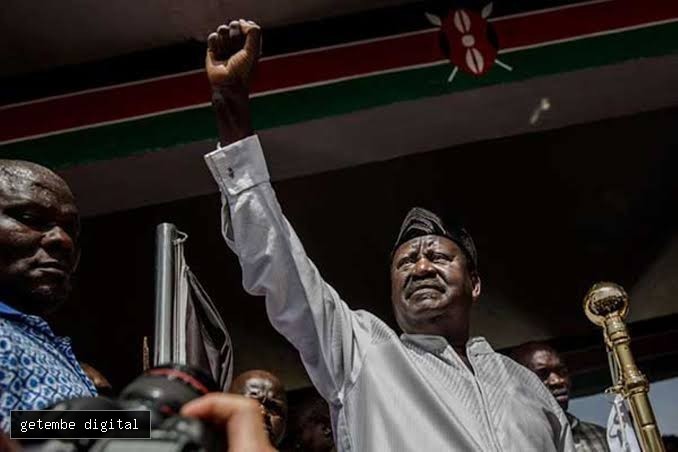
Across Luo Nyanza, Nairobi’s informal settlements, the Coast and parts of Western Kenya, his name carried an emotional weight that extended beyond party politics. His supporters did not simply attend his rallies or vote for his party. Many identified with his personal journey, his confrontations with successive governments and the repeated disappointments that accompanied his presidential ambitions.
For them, Raila’s political struggles often felt personal.
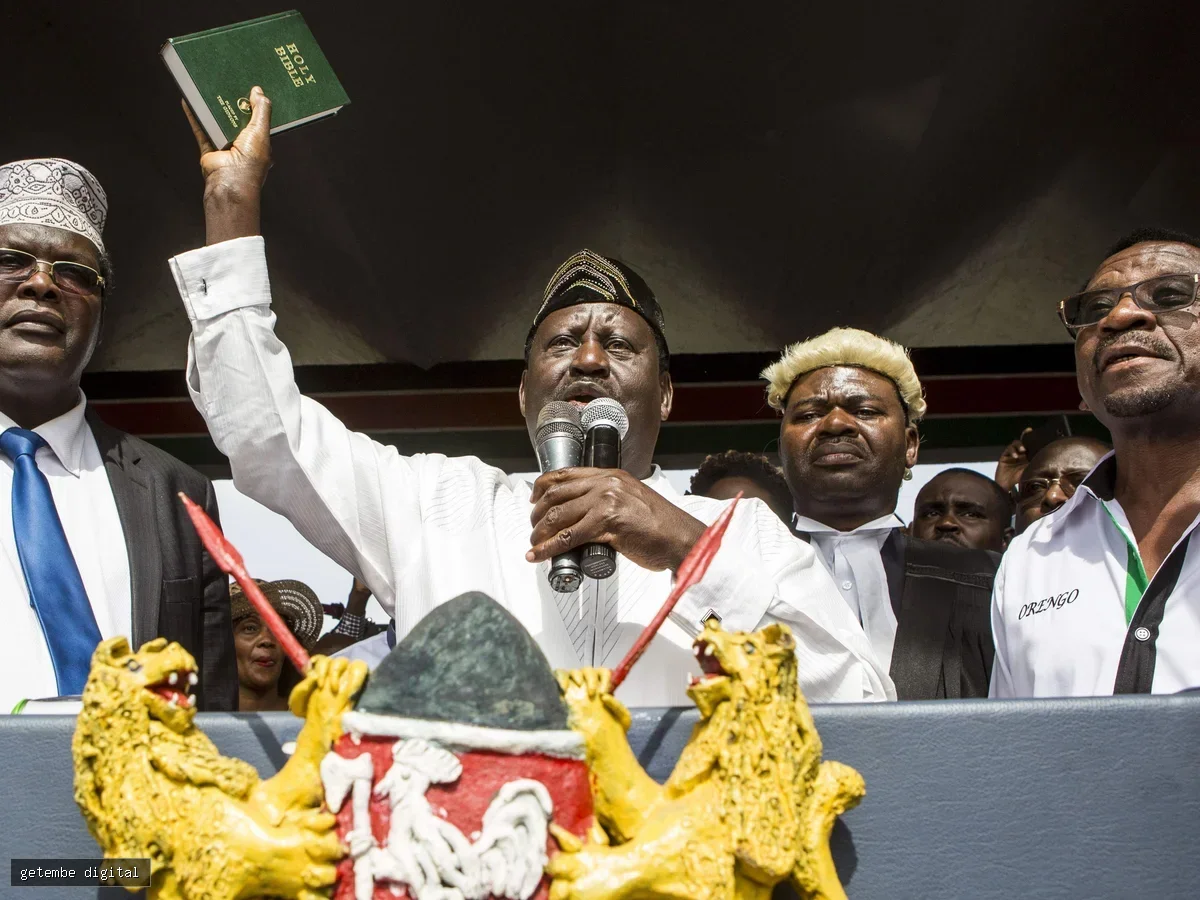
His years in detention, his fight for multiparty democracy and his repeated presidential defeats became part of a larger story about a man who kept returning to the political arena despite the obstacles before him. Reuters, in its October 2025 report on his death, described a politician whose influence rested on decades of political activism, shifting alliances and enduring loyalty among his supporters.
But what made Raila’s political story remarkable was not simply the number of people who supported him. It was the depth of the connection he built with them. Reuters
A following that went beyond the ballot
Kenyan politics has produced leaders capable of attracting enormous crowds, building influential parties and assembling formidable electoral coalitions. Raila, however, cultivated a political identity that often appeared inseparable from his supporters’ own sense of history.
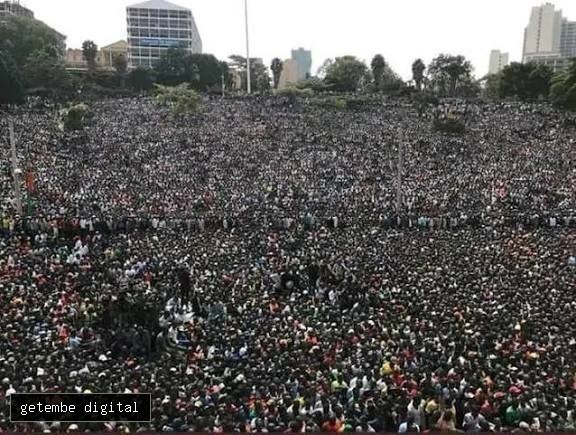
The name Baba captured that relationship. It conveyed familiarity, affection and a shared political identity. His supporters continued to identify with him through changing alliances, difficult election campaigns and disagreements over the direction of the opposition.
His appeal also extended beyond his strongest regional base. In Nairobi’s informal settlements and other parts of the country, his political message found audiences among people who associated him with demands for democratic reform, political accountability and a more inclusive system of government.
That support was not uniform across Kenya, and it did not mean every supporter agreed with every decision he made. His political alliances and compromises sometimes attracted criticism, including from people who questioned whether his negotiations with former rivals advanced the aspirations of his movement.
Yet even those controversies became part of the debate surrounding his legacy.
Raila was not merely the leader of a political party. He became a central character in the national conversation about power, democracy, identity and the possibility of political change.
Millions of votes, five presidential defeats
The numbers tell another part of his story.
Raila contested the presidency in 1997, 2007, 2013, 2017 and 2022. He lost all five contests, although his political influence extended well beyond the final results. His 2007 and 2017 campaigns, in particular, became defining moments in Kenya’s contested electoral history.
In 2017, the Supreme Court annulled the initial presidential election and ordered a fresh poll, an unprecedented decision in Kenya at the time. Raila boycotted the repeat election, which President Uhuru Kenyatta subsequently won.
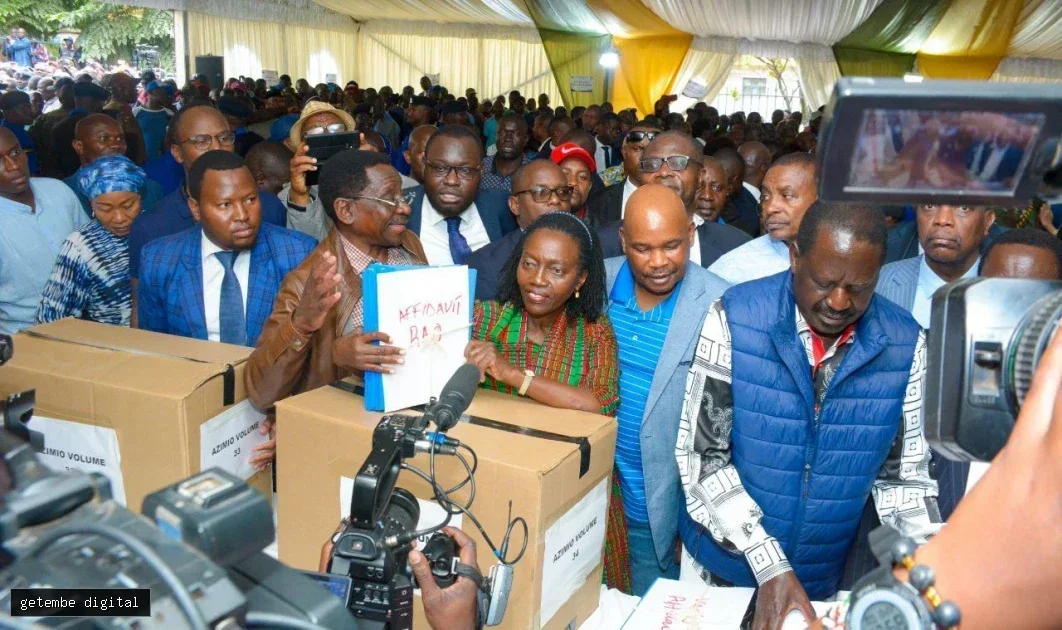
In 2022, Raila came close again. The official results gave William Ruto 7,176,141 votes against Raila’s 6,942,930—a difference of 233,211 votes. The result demonstrated the scale of the coalition Raila had assembled, even as it confirmed that his support had not translated into the presidency. Supreme Court of Kenya
Those defeats created one of the defining contradictions of his career.
He could command national attention, influence alliances and force political opponents to reckon with his presence. Yet the highest office in the country remained beyond his reach.
His supporters could point to millions of votes as evidence of his political strength. His critics could point to five unsuccessful presidential campaigns as evidence that popular support alone could not secure victory.
Both realities formed part of his legacy.
The power he exercised without the presidency
Raila’s influence was never confined to election results. Between 2008 and 2013, he served as Kenya’s prime minister under the power-sharing arrangement established after the disputed 2007 election.
That period placed him inside government, although not in the presidency. Later, his 2018 handshake with Uhuru Kenyatta reshaped the political landscape once again, demonstrating his willingness to negotiate with a former rival.
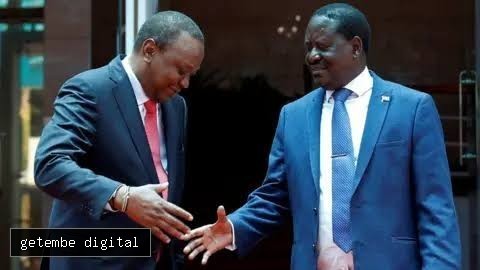
His career therefore challenged the idea that political power exists only inside State House. He influenced national debates, participated in major political negotiations and remained a central figure in discussions about constitutional reform and democratic governance.
His role in the struggle for multiparty democracy and the wider reform movement that culminated in the 2010 Constitution also formed an important part of his historical significance. Reuters
But there was a limit to that influence. The ability to shape the national agenda was not the same as possessing the authority of the presidency. Raila could negotiate, mobilise and challenge those in power without ever exercising the full constitutional authority attached to the office he repeatedly sought.
That distinction remains essential to understanding his political journey.
A legacy that remains contested
Raila’s death on October 15, 2025, brought an end to a political career that had shaped Kenya for decades. Yet it did not settle the arguments surrounding his legacy.
For some, he remains a symbol of democratic resistance and political perseverance. For others, his shifting alliances and compromises raise questions about the relationship between principle and political power.
Both interpretations form part of the historical assessment still unfolding.
What is difficult to dispute is that his political identity survived repeated defeats and outlasted many of the alliances and parties through which he pursued power. His supporters called him Baba, his opponents had to account for his influence, and successive political formations were shaped by their relationship with him.
The question now is whether that personal connection can survive without the man who embodied it.
A political movement built around one individual faces a different challenge after his departure. Party structures may remain, leaders may claim his mantle, and voters may continue to identify with his ideals. But personal loyalty accumulated over decades cannot automatically be transferred from one generation of leaders to another.
That is the test facing Raila’s political inheritance.
Perhaps the most striking feature of Raila Odinga’s career is the tension between his extraordinary influence and his repeated failure to win the presidency.
He demonstrated how a politician could become central to a nation’s political life without occupying its highest office. He showed the power of a personal bond between a leader and his followers, but also the limits of that bond when measured against the requirements of electoral victory.
His supporters saw a leader who never abandoned the struggle. His critics saw a politician whose ambitions repeatedly fell short. Kenya experienced both the disruptive force of his opposition and the consequences of his decisions to negotiate with those he had once challenged.
Ultimately, Raila’s story cannot be reduced to either victory or defeat.
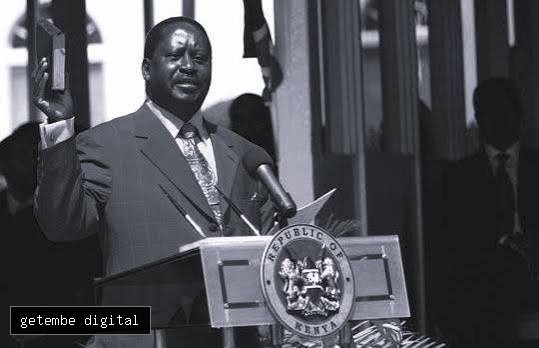
He never became president, but he served as prime minister, influenced constitutional and political debates, and helped shape the choices of governments and opposition movements for decades.
The ballots never placed Raila Odinga in State House. But they repeatedly placed him at the centre of Kenya’s political story.
And perhaps that is the enduring paradox of Baba: the office he pursued remained beyond his reach, while the political space he occupied proved far larger than any single election could measure.
ADVERTISEMENT
Watch Getembe TV Live
Broadcast Getembe TV Live Stream
Listen Getembe FM Live
Tune in to Getembe FM Live Broadcast
How do you feel about this article?
Let us know by choosing a reaction below.

Written by FRANKLINE NYANDORO
Reporter and staff writer at Getembe News.
Comments 0
Please log in to participate in the comments section.
No comments yet. Be the first to share your thoughts!
ADVERTISEMENT
Related Stories
Have a news tip?
Do you have an investigation, local story or news event you think we should cover? Contact our newsroom directly.
Submit Tip
Mobile App
Download Getembe Digital App Today
Download Getembe Digital App today for live news updates, breaking notifications, and seamless live streaming.