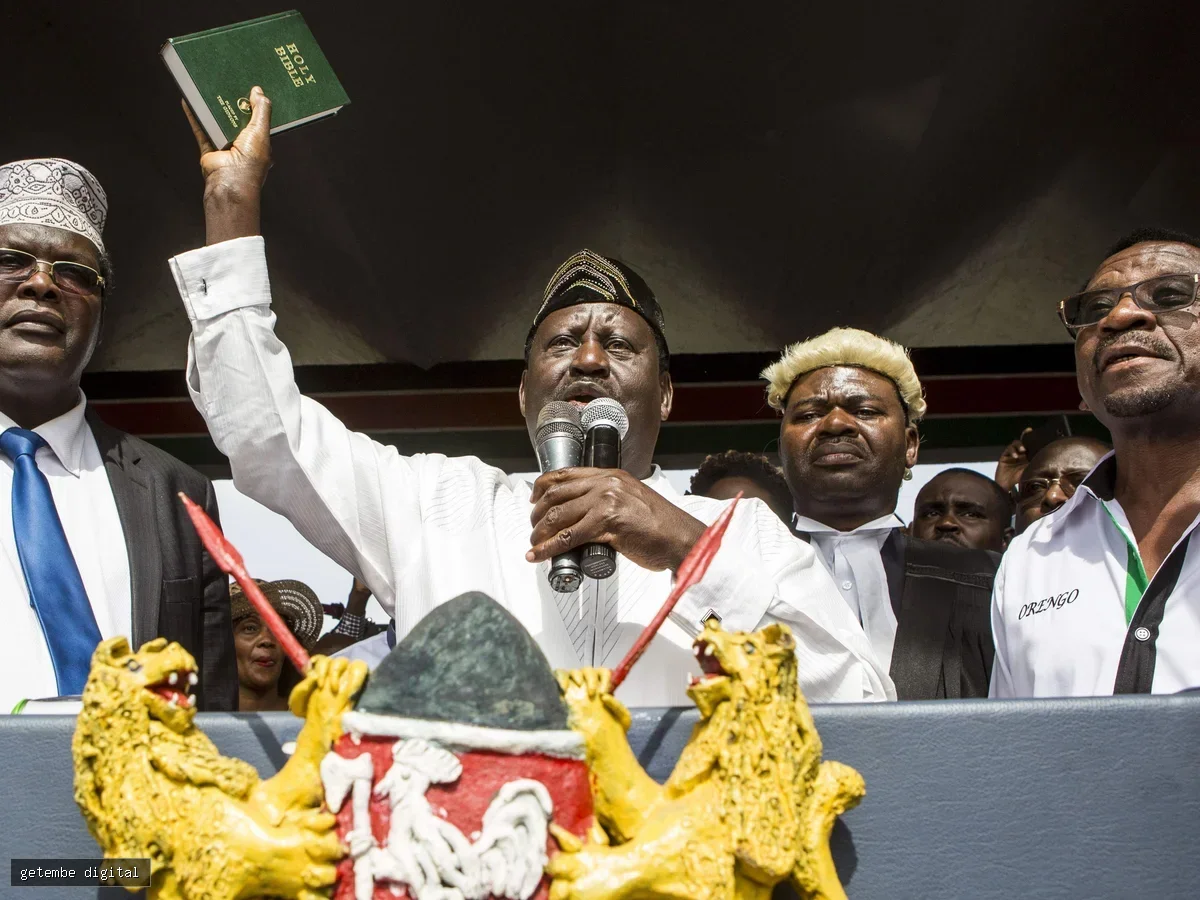
WHEN THE EXECUTIVE OVERREACHES, THE COURTS STILL SAY NO: RUTO’S FOUR-YEAR COLLISION WITH THE JUDICIARY
From the Cabinet to Safaricom, courts have repeatedly checked Ruto’s government. This opinion piece asks what the pushback against the Judiciary means for constitutional limits.
Watch Getembe TV Live
Broadcast Getembe TV Live Stream
Listen Getembe FM Live
Tune in to Getembe FM Live Broadcast
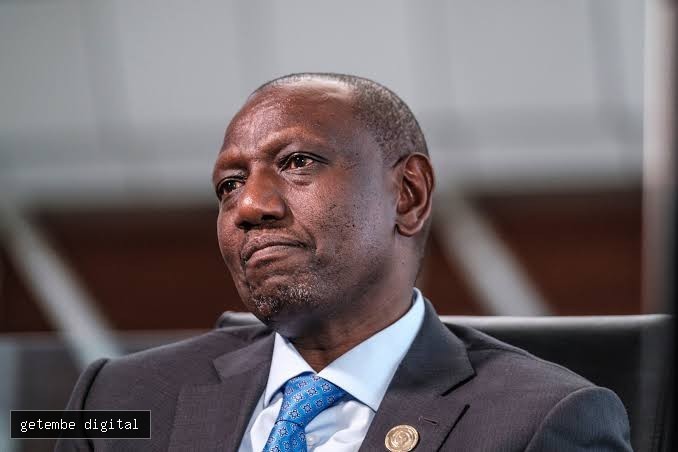
President William Ruto’s administration has governed with open contempt for constitutional process. Move fast, break the rules, and attack anyone who stands in the way. For four years, the Kenya Kwanza Executive has tried to ram through fiscal, healthcare, and administrative overhauls. Almost every time, the Judiciary has stopped it cold. The courts have not merely slowed the government they have repeatedly declared its flagship actions unconstitutional.
This is not ordinary friction. It is a deliberate institutional contest. The Executive treats the 2010 Constitution as optional. The Bench continues to treat it as supreme.
Specific Rulings That Exposed the Pattern
Start with the appointments. In 2023 the High Court quashed the creation and appointment of roughly 50 Chief Administrative Secretaries. The court found the entire expansion lacked adequate public participation and proper legal foundation. Political loyalty was no substitute for process.
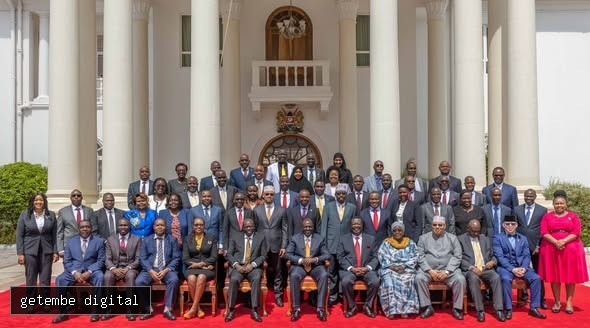
In January 2026, Justice Bahati Mwamuye went further. He nullified the creation of 21 specialised presidential advisory offices and voided the appointments of all 21 individuals including prominent figures brought in under the “broad-based” arrangement. The court held that the offices were established in violation of Public Service Commission procedures, without Salaries and Remuneration Commission scrutiny of the fiscal burden, and without public participation. The appointments were declared null and void ab initio. A permanent injunction blocked any further salary payments. The court also ordered a comprehensive audit of all offices created in the Executive Office of the President since 2010.
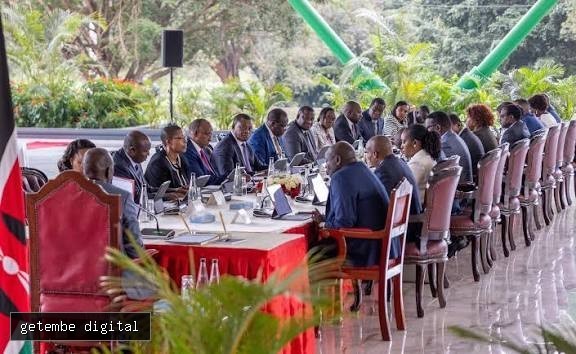
In June/July 2026 a three-judge High Court bench declared Ruto’s 25-member Cabinet unconstitutional. With only seven women, it breached the mandatory two-thirds gender principle under Article 27(8). The court rejected the government’s attempt to count the Secretary to the Cabinet to manufacture compliance and ordered the President to reconstitute the Cabinet within 120 days. The ruling was a direct rebuke of the post-2024 “broad-based” political experiment.
On strategic assets, the High Court nullified the proposed sale of the government’s 15 per cent stake in Safaricom. In mid-October 2026 the Court of Appeal refused to stay that decision, leaving the order restoring the shares in force. Opaque disposal of national assets without full accountability was blocked.

Healthcare and tax followed the same trajectory. Courts repeatedly faulted the rushed SHA/SHIF transition for inadequate public participation and for creating barriers that risked locking unregistered citizens out of services. The Finance Act 2023 was declared unconstitutional by the Court of Appeal; only later Supreme Court intervention prevented total revenue collapse. The Finance Bill 2024 was withdrawn only after mass protests.
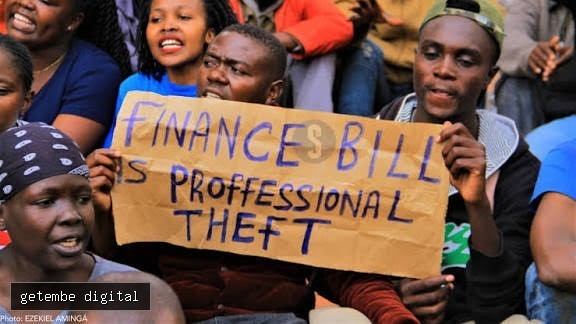
These were not technicalities. They were systematic findings that the Executive had treated public participation, equity, fiscal prudence, and separation of powers as inconveniences.
Pressure, Punishment, and the Fight to Keep the Judiciary Independent
The response from the Executive has not been compliance. It has been sustained pressure.
President Ruto and senior allies have publicly branded adverse rulings as “judicial overreach” and even “tyranny.” Judges who blocked government projects have been accused of being “cartels” or of taking bribes. Statements that “no courts of law will stand in my way” and threats to defy court orders have been made openly. Chief Justice Martha Koome has repeatedly had to warn that such attacks amount to an assault on the Constitution itself.
Financial strangulation has been another tool. Despite early promises to increase Judiciary funding, the institution has faced chronic underfunding. Recent budget cycles show the Judiciary requesting Sh46–50 billion while receiving indicative ceilings of roughly Sh29–30 billion gaps of Sh17–20 billion, or nearly 40 per cent. Development budgets have been slashed, recruitment frozen, and court construction stalled. Chief Justice Koome and Judicial Service Commission members have publicly decried the sidelining of the Judiciary relative to other arms of government, warning that underfunding directly undermines operational independence and the ability to clear backlogs.
There have also been attempts to weaponise the Judicial Service Commission. Complaints seeking the removal of the Chief Justice, Deputy Chief Justice, and other Supreme Court judges over their judicial decisions were processed; courts later quashed key notices as constitutionally defective, recognising the danger of using disciplinary processes to review or punish judgments.
These are not abstract pressures. They are concrete attempts to intimidate, starve, and discipline a co-equal arm of government for refusing to rubber-stamp executive policy.
Yet the central fact remains: the Judiciary has not surrendered its independent role. Despite the rhetoric, the budget cuts, the removal petitions, and the public attacks, courts have continued to issue rulings that constrain the Executive. The Bench has refused to become an extension of State House. That resistance is precisely why the pressure continues.
The Stakes Are Clear
An Executive that loses repeatedly in court and then turns on the institution that checked it is revealing its true attitude toward constitutional government. Speed without legality is not reform it is institutional vandalism. Bottom-up economics cannot be built on top-down contempt for process, gender equity, public participation, and the separation of powers.
The Judiciary is under strain. It is underfunded and under political fire. But it has not lost its independence. The record of 2023–2026 proves the opposite: when the Executive overreaches, the courts still say no. The question now is whether the administration will finally accept that constitutional limits are not optional or whether it will keep testing the Bench until the damage becomes irreversible.
ADVERTISEMENT
Watch Getembe TV Live
Broadcast Getembe TV Live Stream
Listen Getembe FM Live
Tune in to Getembe FM Live Broadcast
How do you feel about this article?
Let us know by choosing a reaction below.

Written by FRANKLINE NYANDORO
Reporter and staff writer at Getembe News.
Comments 0
Please log in to participate in the comments section.
No comments yet. Be the first to share your thoughts!
ADVERTISEMENT
Related Stories
Have a news tip?
Do you have an investigation, local story or news event you think we should cover? Contact our newsroom directly.
Submit Tip
Mobile App
Download Getembe Digital App Today
Download Getembe Digital App today for live news updates, breaking notifications, and seamless live streaming.