
TWO FORMER GOVERNORS BEHIND BARS: IS KENYA FINALLY DISMANTLING POLITICAL IMPUNITY?
Two former governors are now in prison. Is Kenya ending political impunity, or are these just exceptions? The real test is equal justice for all.
Watch Getembe TV Live
Broadcast Getembe TV Live Stream
Listen Getembe FM Live
Tune in to Getembe FM Live Broadcast
For decades, Kenya's political landscape has operated under an uncomfortable perception: the more powerful and wealthy a politician becomes, the less likely they are to face the full force of the law. Political connections, financial muscle and proximity to the corridors of power have often created the impression that some individuals are simply untouchable.
That is why the imprisonment of two billionaire former governors within a relatively short period deserves more than passing attention. It raises an important question about whether Kenya is finally beginning to dismantle the culture of political impunity that has protected powerful individuals for generations.
For ordinary Kenyans, the law has rarely appeared to offer the same level of flexibility. A struggling citizen can face the full weight of the justice system over relatively minor offences, yet allegations involving powerful political figures have historically been accompanied by prolonged court battles, political manoeuvring and public controversies.
The contrast has fuelled public frustration and weakened confidence in institutions meant to uphold equality before the law.
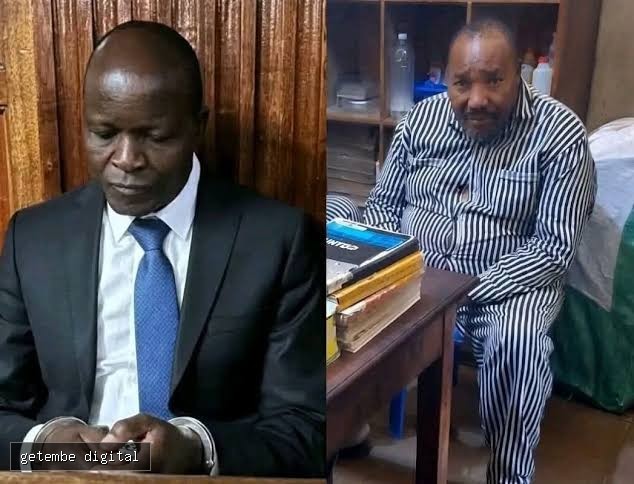
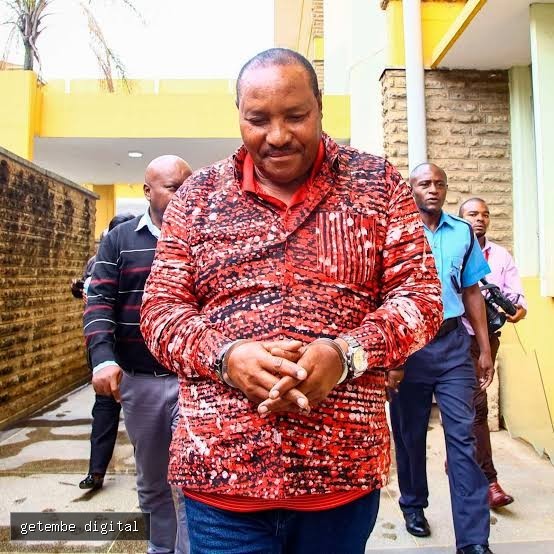
The case of former Kiambu Governor Ferdinand Waititu illustrates this changing reality. Waititu was initially sentenced to 12 years in prison over a Sh588 million corruption scandal involving the irregular award of a road construction tender during his tenure. In October 2026, the High Court upheld his conviction and sentence, while subsequent money-laundering convictions attracted additional penalties.
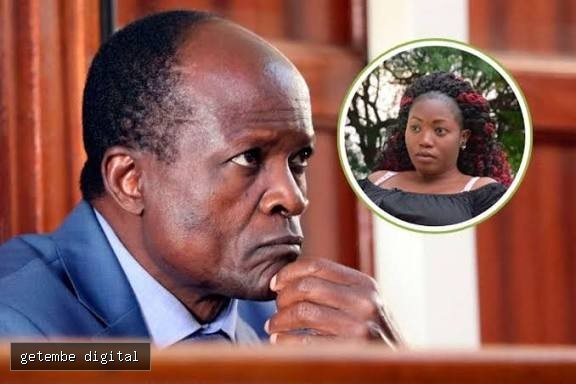
Then came the conviction and sentencing of former Migori Governor Okoth Obado, whose case has shaken the country's political and judicial landscape for an entirely different reason.
On November 27, 2026, Obado was sentenced to 25 years in prison for the murder of 26-year-old Rongo University student Sharon Otieno, who was seven months pregnant when she was killed in September 2018. The court found that Obado had financed and facilitated the criminal enterprise that led to her murder. His former personal assistant Michael Oyamo also received 25 years, while former county clerk Caspal Obiero was sentenced to 18 years.
These are not ordinary court cases. They involve men who once occupied some of the most influential political offices in the country, commanded enormous resources and enjoyed considerable political influence. Their journeys from county government offices to prison cells are a reminder that public office does not confer immunity from criminal accountability.
For years, Kenyans have watched corruption allegations involving powerful politicians generate headlines, parliamentary debates and investigations, only for some cases to drag on for years. Others have ended in acquittals, withdrawals or legal battles that leave the public questioning whether justice is ever going to be served.
This is not to suggest that every politician accused of corruption is guilty. Every accused person deserves a fair hearing, and convictions must be based on evidence rather than public anger or political pressure. However, when courts establish criminal responsibility beyond reasonable doubt, political stature should never become a shield against punishment.
The two cases also expose the troubling relationship between political power, wealth and accountability in Kenya. Governors are entrusted with public resources and enormous authority over county institutions. They are expected to improve healthcare, infrastructure, education and livelihoods, not turn public office into a personal wealth-accumulation opportunity or use political influence to evade responsibility for criminal conduct.
And perhaps this is where the country needs to have an even bigger conversation.
How many other former and serving governors have faced credible allegations of corruption, unexplained wealth, abuse of office or other serious offences? How many investigations are still gathering dust? How many cases are weakened by poor investigations, compromised witnesses or endless legal manoeuvres?
Kenya has 47 counties, each controlling billions of shillings in public resources. Accountability cannot begin and end with two former governors. The same scrutiny must extend to every individual entrusted with public money, regardless of their political connections, financial status or position in government.
I have always believed that one of the greatest weaknesses of Kenya's governance system is the perception that political power comes with its own form of protection. Politicians campaign on accountability, promise to fight corruption and condemn their opponents, yet the country continues to grapple with questions about the management of public resources.
The Judiciary must therefore sustain the momentum, but it must also guard its independence. Convictions should not be celebrated because the accused are political enemies or wealthy individuals. They should be recognised because the law has been applied fairly, evidence has been tested and justice has been served.
And for those who have turned public office into an opportunity to enrich themselves at the expense of taxpayers, the message should be unmistakable: The days of treating political office as a personal licence to break the law must come to an end.
Wanafaa wajae Kamiti, but only where the evidence establishes their guilt and the courts deliver lawful convictions.
Kamiti should never be a destination for political disagreements. It should be a consequence of proven criminal conduct.
Ultimately, the real measure of progress will not be how many billionaires or former governors end up behind bars. It will be whether an ordinary Kenyan and a powerful politician can face the same law, receive the same protection of their rights and bear the same consequences when found guilty.
Nobody should be too powerful to face justice, too wealthy to be imprisoned or too politically connected to answer for their actions.
That is the Kenya we should be building.
ADVERTISEMENT
Watch Getembe TV Live
Broadcast Getembe TV Live Stream
Listen Getembe FM Live
Tune in to Getembe FM Live Broadcast
How do you feel about this article?
Let us know by choosing a reaction below.

Written by FRANKLINE NYANDORO
Reporter and staff writer at Getembe News.
Comments 0
Please log in to participate in the comments section.
No comments yet. Be the first to share your thoughts!
ADVERTISEMENT
Related Stories

Have a news tip?
Do you have an investigation, local story or news event you think we should cover? Contact our newsroom directly.
Submit Tip
Mobile App
Download Getembe Digital App Today
Download Getembe Digital App today for live news updates, breaking notifications, and seamless live streaming.