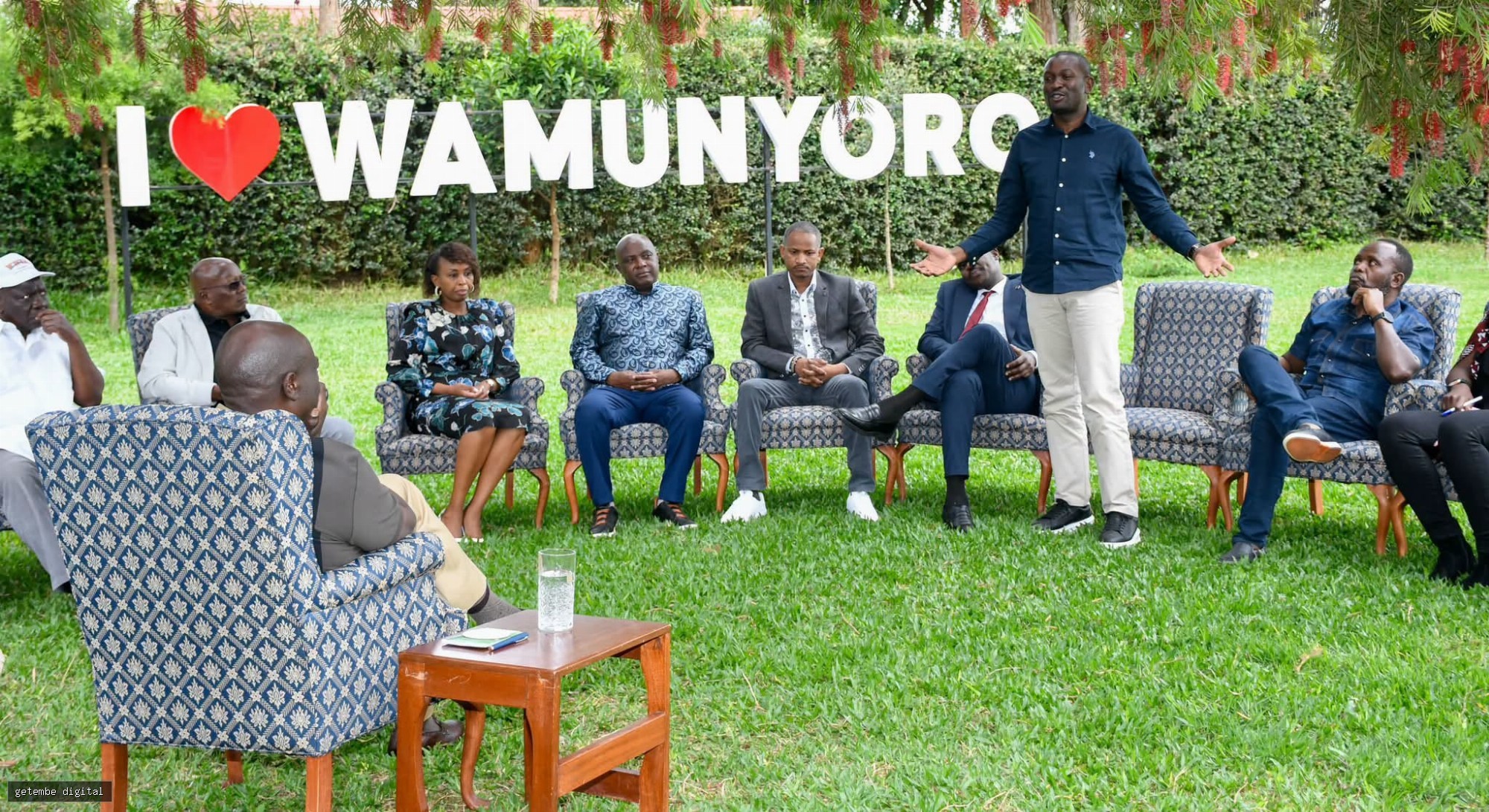
WHERE DO THE TALENTS GO? OKWARA’S EXIT AND WHAT IT MEANS FOR KENYAN MEDIA
Leaving a station, leaving journalism and reinventing a career are three different things. Okwara’s departure invites Kenyan media to ask what it is doing to keep its best talent.

Watch Getembe TV Live
Broadcast Getembe TV Live Stream
Listen Getembe FM Live
Tune in to Getembe FM Live Broadcast
When Yvonne Okwara announced her departure from Citizen TV after eight years, the obvious question was what she would do next. The more consequential question is what her exit reveals about an industry that repeatedly watches some of its most recognisable women move beyond the newsrooms that made them household names.
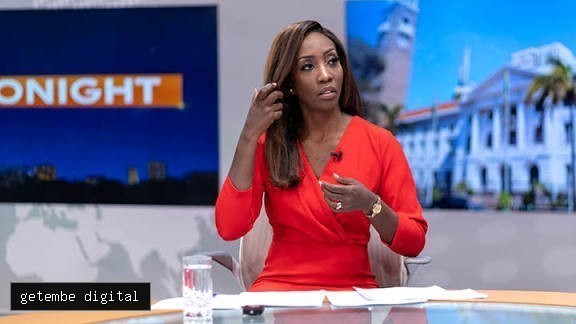
From Julie Gichuru and Janet Mbugua to Betty Kyallo, Kamene Goro and Kanze Dena, prominent female media personalities have pursued careers in entrepreneurship, leadership, government communication and other professional spaces. Their journeys are different, and not every departure represents a loss to journalism. Collectively, however, they expose a challenge facing Kenyan media: how does an industry retain the talent it spends years cultivating when that talent becomes valuable far beyond the newsroom?
Okwara's farewell message offered no details about her next destination. Instead, she described her departure as the beginning of another chapter.
“I am not done building. I am simply moving to build something else,” she said.
Her words reflect a reality of modern media careers. Journalism develops skills in interviewing, public communication, political analysis and navigating complex public issues. These abilities are transferable to boardrooms, businesses, public institutions and independent media ventures, where experienced communicators can pursue different forms of influence.
Julie Gichuru's transition from Citizen TV into entrepreneurship and leadership illustrates this mobility.
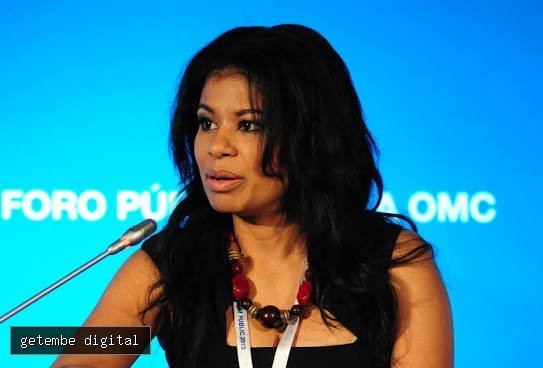 Her return to the Nation Media Group in August 2026 as a board director, rather than a television anchor, demonstrated how a media career can evolve into institutional leadership.
Betty Kyallo followed another route.
 After leaving K24 in 2020, she pursued beauty and lifestyle businesses before returning to television through TV47 in 2024. Janet Mbugua has moved between broadcasting and other professional interests
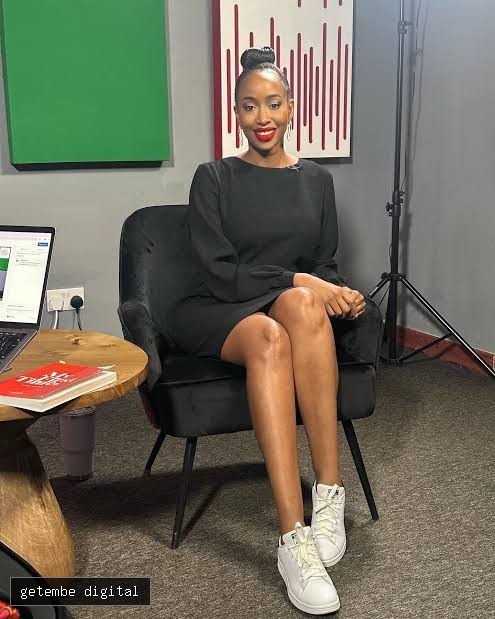 , while Kamene Goro's departure from Kiss FM in 2023 marked the end of a prominent radio chapter
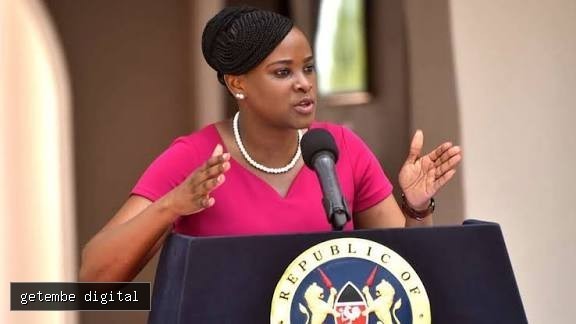
 . Kanze Dena,
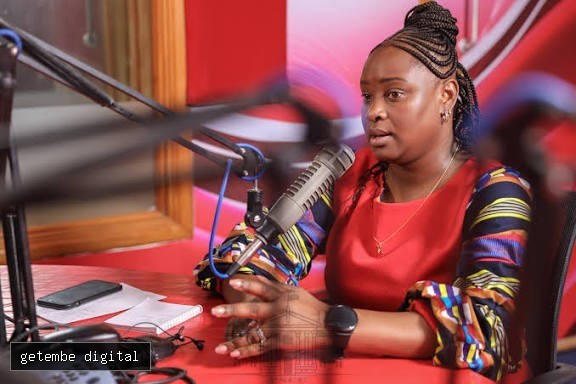 meanwhile, moved from Citizen TV's Swahili newsroom into government communication, eventually becoming State House spokesperson under former President Uhuru Kenyatta.
These examples do not establish a mass exodus or prove that media houses have failed their former employees. They reveal something more important: leaving a station, leaving journalism and reinventing a media career are three different things.
The industry's challenge is not to prevent journalists from moving on. It is to understand whether its institutions offer enough room for experienced professionals to progress, lead and explore new opportunities without necessarily abandoning journalism.
When a prominent journalist leaves, the immediate concern is often who will replace them. But experience cannot be transferred as easily as a presenting role.
Years in journalism build source networks, institutional memory, editorial judgement and the ability to interrogate official explanations. These assets are especially important during an election cycle, when Kenyans need rigorous scrutiny of political promises, public expenditure and the exercise of power.
A departure does not automatically weaken a newsroom. Former journalists may continue contributing through media ownership, mentorship, production or other forms of public engagement. The problem arises when media organisations rely too heavily on individual personalities without investing in succession, training and strong editorial teams.
A resilient newsroom should be able to celebrate a journalist's growth while ensuring that its reporting standards do not depend on one recognisable face.
That requires deliberate investment in younger journalists, knowledge transfer and clear pathways into senior editorial positions. Otherwise, the industry risks repeatedly rebuilding expertise that it could have developed and retained.
The movement of prominent women also raises questions about gender and leadership.
The Association of Media Women in Kenya's State of Women in Media Report 2025–26, released in April 2026, highlighted concerns about women's representation in management and editorial leadership, as well as barriers including stalled promotions, harassment, online abuse and exclusion from influential assignments.
These findings do not prove that such barriers caused Okwara or any other named journalist to leave a particular station. Their personal motivations should not be presumed. But the findings raise a legitimate institutional question: can women who achieve visibility on screen access the same opportunities to shape editorial strategy, manage newsrooms and influence corporate decisions?
A familiar female anchor may become the public face of a news programme without having equivalent authority over the institution behind it. Consequently, counting women presenters is not enough to measure gender equality in media.
The more revealing measure is whether women can progress from presenting and reporting into positions where they determine what gets covered, how resources are allocated and which editorial priorities guide the organisation.
Retaining talent therefore requires more than recruiting prominent women. It demands fair promotion systems, safe working environments, competitive career opportunities and meaningful representation in leadership.
Kanze Dena's transition into government communication illustrates another dimension of professional mobility. Journalism skills can serve public institutions, but the responsibilities are different.
Independent journalists are expected to verify claims, challenge authority and report in the public interest. Government communicators generally explain institutional positions and communicate official policy. Both roles have legitimate purposes, but they should not be confused.
The movement of journalists into government is not inherently problematic. It does, however, underline the importance of maintaining strong, independent newsrooms capable of scrutinising the very institutions that recruit experienced communicators.
The question is not whether journalists should pursue opportunities outside the media. It is whether Kenyan media organisations can remain attractive professional destinations while protecting the independence and credibility on which their public value depends.
Okwara's departure comes as Kenya approaches the 2027 general election, when experienced journalists will be needed to question candidates, examine policy proposals and scrutinise the use of public resources.
Her next move remains undisclosed, and her departure should not be mistaken for an end to her contribution to public affairs. Instead, it offers an opportunity to examine the future of the profession she has helped shape.
Kenyan media needs journalists who can challenge powerful interviewees, editors who can defend rigorous reporting and institutions that make room for experienced professionals to grow. That requires confronting the practical realities of career progression, working conditions, editorial independence and leadership opportunities.
Ultimately, the careers of Gichuru, Mbugua, Kyallo, Goro, Dena and Okwara do not tell a single story of women abandoning journalism. They demonstrate how professional ambitions evolve and how media expertise travels across industries.
But their journeys leave a question that cannot be answered simply by appointing another anchor.
Where do the talents go, and what must Kenyan media do to ensure that leaving the newsroom is a choice for growth rather than the only route to it?
When a familiar journalist signs off, the industry should look beyond the replacement. It should examine whether it has created the conditions for the next generation to develop, lead and make a lasting contribution to journalism itself.
ADVERTISEMENT
Watch Getembe TV Live
Broadcast Getembe TV Live Stream
Listen Getembe FM Live
Tune in to Getembe FM Live Broadcast
How do you feel about this article?
Let us know by choosing a reaction below.

Written by FRANKLINE NYANDORO
Reporter and staff writer at Getembe News.
Comments 0
Please log in to participate in the comments section.
No comments yet. Be the first to share your thoughts!
ADVERTISEMENT
Related Stories
Have a news tip?
Do you have an investigation, local story or news event you think we should cover? Contact our newsroom directly.
Submit Tip
Mobile App
Download Getembe Digital App Today
Download Getembe Digital App today for live news updates, breaking notifications, and seamless live streaming.