WHY NOT GOR AND LEOPARDS? THE ARGUMENT OVER RAILA ODINGA STADIUM’S OPENING FIXTURE
Bayern and Ajax are coming to Nairobi, but Harambee Stars allowances remain a concern. Can Kenya balance football glamour with its obligations to local sport?
Watch Getembe TV Live
Broadcast Getembe TV Live Stream
Listen Getembe FM Live
Tune in to Getembe FM Live Broadcast
Kenya is preparing to welcome two European football giants, but as Bayern Munich and Ajax Amsterdam gear up for a high-profile friendly in Nairobi, an uncomfortable question is emerging: can a country afford to stage an international football spectacle while questions remain over allowances owed to its own national team?

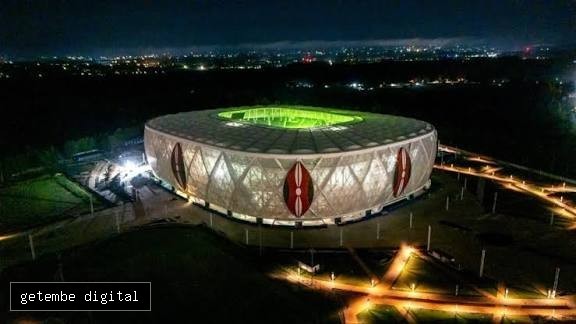
On January 5, 2027, the German and Dutch clubs are scheduled to face off at the 60,000-seat Raila Odinga International Stadium, formerly known as Talanta Stadium, in a match expected to mark the venue's opening ahead of the 2027 Africa Cup of Nations (AFCON), which Kenya will co-host with Uganda and Tanzania.
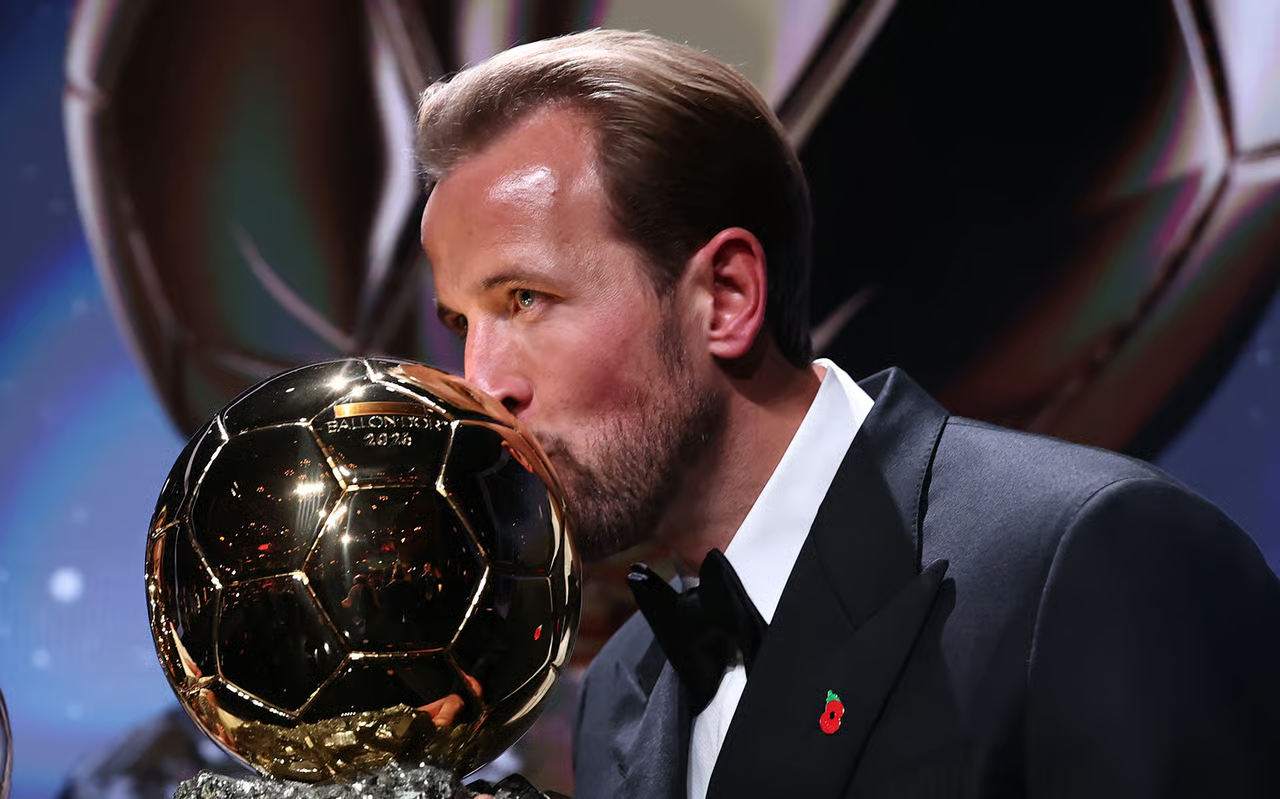
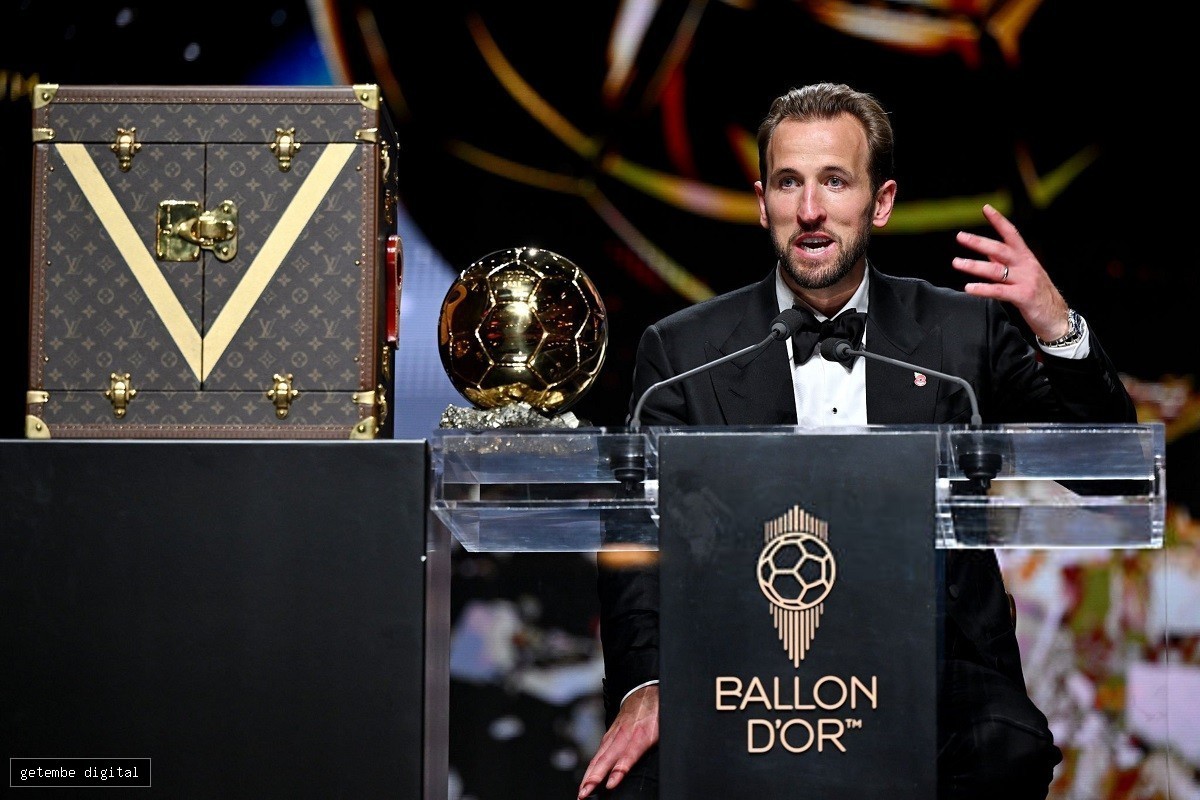
With a combined 10 European Cup and UEFA Champions League titles, Bayern and Ajax bring considerable international prestige. The prospect of watching their stars on Kenyan soil has generated excitement, particularly among fans hoping to see Bayern's Harry Kane and other leading players. However, the travelling squads have yet to be confirmed.
President William Ruto announced the fixture while attending the Russia-Africa Economic and Humanitarian Forum in Moscow on October 28. Both clubs subsequently confirmed the match, presenting it as a significant occasion for Kenyan football.
Yet the announcement has triggered a debate that extends beyond the pitch. While supporters see an opportunity to showcase Kenya internationally, critics are questioning the choice of opening fixture, the event's financing and the government's wider record on sports administration.
The reported KSh 6.24 million in outstanding Harambee Stars allowances has added a particularly uncomfortable dimension to that debate.
On X, formerly Twitter, the announcement quickly became a national talking point.
Supporters celebrated the prospect of seeing Bayern and Ajax live, arguing that the fixture could raise Kenya's international profile and demonstrate its capacity to host major sporting events.
Critics called for Gor Mahia versus AFC Leopards instead, arguing that local clubs deserved a place in the opening of a national sporting facility built to advance Kenyan sport.
Former Deputy President Rigathi Gachagua's reported criticism of the decision added a political dimension, as questions about public resources became intertwined with arguments over national pride.
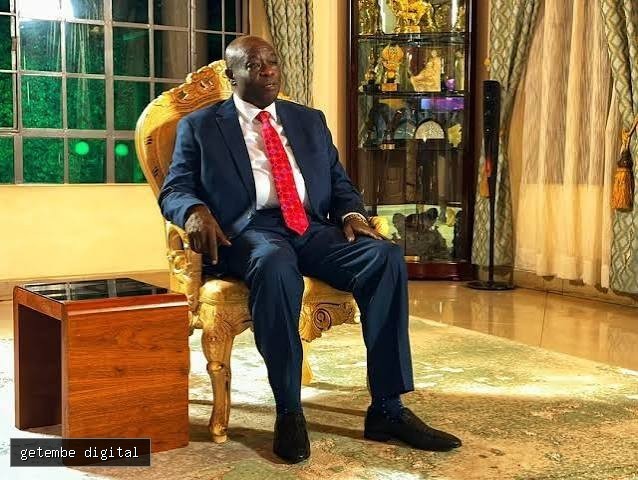
Influencer Mwabili Mwagodi, popularly known as Jomba, reportedly shared screenshots of emails he claimed to have sent to Bayern and Ajax shareholders, warning about the political implications of their involvement and raising the possibility of stadium protests.
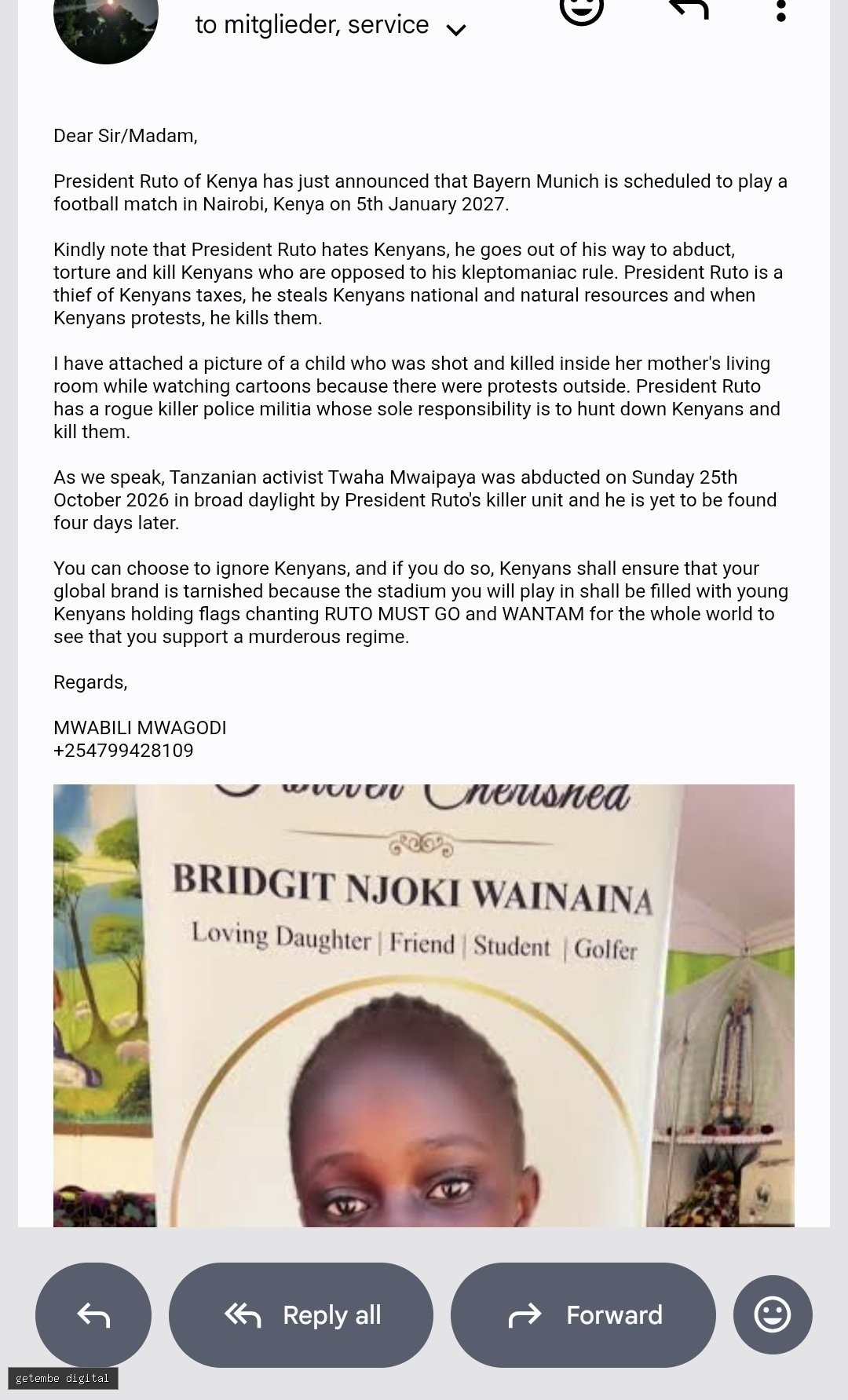
The reaction was mixed, with some users encouraging further correspondence with the clubs and others questioning the approach. Meanwhile, memes and AI-generated images featuring Harry Kane in exaggerated Nairobi scenarios turned the controversy into a familiar blend of political commentary and online humour.
Beneath the jokes, however, lay a genuine disagreement: should a stadium opening prioritise international prestige or celebrate the domestic game?
Facebook: Fans want the stars, not just the badges
On Facebook, attention shifted to the players expected to travel to Nairobi.
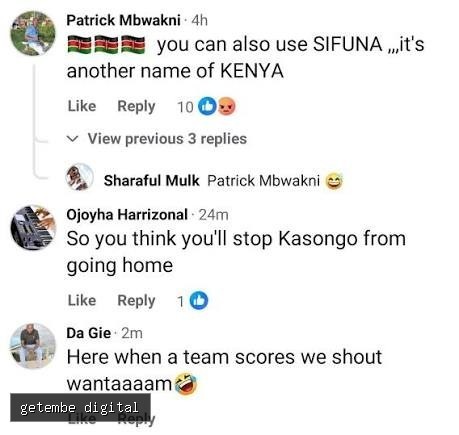
Comments beneath Bayern's announcement included demands to see first-team stars such as Kane, Michael Olise and Luis Díaz. Others questioned whether the clubs might send weakened squads or rely on younger players.
The concern reflects the expectations created by announcing two internationally recognised teams. For many fans, the attraction lies in seeing the players they follow on television, not simply the clubs' names on a match poster.
With the travelling squads yet to be confirmed, supporters will have to wait for further details as the fixture approaches.
Harambee Stars: The uncomfortable comparison
The debate over the European friendly has gained another dimension from reports of KSh 6.24 million in outstanding allowances owed to Harambee Stars players.
In September 2026, concerns over delayed payments escalated into a boycott as the national team prepared for an Africa Cup of Nations qualifier against Eritrea, prompting responses from the government and the Football Kenya Federation (FKF).
The issue subsequently reached Parliament. During Senate proceedings on October 6, Senator Samson Cherarkey sought answers concerning delayed allowances, player welfare and the responsibilities of the Sports Ministry and FKF.
The Ministry had previously said payments for several past assignments had been settled, while some remaining payments were undergoing administrative processing. The KSh 6.24 million figure should therefore be understood in the context of the specific outstanding claims, with the latest payment records needed to establish the current balance.
The contrast is difficult to ignore. Kenya is pursuing a fixture designed to attract international attention, yet its own national players have raised concerns over allowances.
There is no verified evidence presented here that funds intended for Harambee Stars are being diverted to finance the Bayern-Ajax match. The two undertakings may have different funding arrangements.
Nevertheless, the comparison raises a legitimate question about priorities: what does sporting ambition mean if the players representing the country cannot rely on timely payment for their services?
The issue is not whether Kenya should host European clubs. It is whether the government and sports administrators can pursue international opportunities while maintaining reliable systems for supporting national teams.
Questions about the friendly's financing have added to the controversy.
Figures ranging from KSh 600 million to KSh 700 million have circulated in discussions about the event, but the full budget has not been independently established here. The estimate should not be treated as confirmed expenditure.
Ruto has said the match will be supported through corporate partnerships and a commercially sustainable model intended to attract private investment. The precise contributions from sponsors, ticket revenue and any public resources, however, require further clarification.
The stadium's construction costs are a separate issue. A Daily Nation report in August 2026 put the project's revised cost at KSh 45.85 billion, up from an initially approved KSh 35 billion, while procurement and cost variations have also attracted scrutiny. These figures relate to the stadium project, not the cost of staging the friendly.
Supporters argue that the fixture could attract visitors, stimulate hospitality and transport businesses, generate commercial revenue and strengthen Kenya's reputation as a sporting destination.
Critics want those benefits demonstrated rather than assumed. The financial case for the event will ultimately depend on the actual costs, the funding arrangements and the returns it generates.
The venue also carries political and cultural significance because it bears the name of the late former Prime Minister Raila Odinga.
Ruto linked the stadium and its opening to Raila's legacy, including his studies in Germany and his love of football. That connection gives the occasion a symbolic dimension beyond the identities of the two clubs.
For supporters, the match could honour a prominent Kenyan figure while showcasing the country's sporting ambitions. Critics, meanwhile, have questioned the prominence of government messaging around the event, particularly as Kenya approaches the 2027 general election period.
These competing interpretations have helped turn a football friendly into a wider discussion about national identity, public infrastructure and political communication.
The match offers an opportunity to test the new stadium ahead of AFCON 2027, attract international attention and potentially generate commercial opportunities.
But its lasting value will depend on whether those benefits extend beyond a single evening.
Kenyan football needs more than occasional international spectacles. It also needs competitive domestic leagues, opportunities for young players, dependable sports administration and properly managed funding for national teams.
The calls for Gor Mahia and AFC Leopards to feature in the opening fixture reflect a desire to see local football included in the celebration. The concerns over Harambee Stars allowances point to a more fundamental expectation: that the players representing Kenya should receive the support and payments they are entitled to.
These objectives are not mutually exclusive. Hosting international clubs can complement domestic development, provided the event is financially sound and forms part of a broader sporting strategy.
When Bayern and Ajax arrive in Nairobi, the match could deliver a memorable spectacle and place Kenya before an international football audience.
But the event will also be judged against the questions surrounding its financing, the role of local clubs and the treatment of national-team players.
The reported KSh 6.24 million in outstanding allowances does not establish that the European friendly is being funded at Harambee Stars' expense. It does, however, sharpen the debate over how Kenya balances international ambition with its obligations to local sport.
The challenge is not choosing between Bayern and Harambee Stars. It is proving that Kenya can welcome the world's biggest football brands without neglecting the players who represent the country.
The match may last 90 minutes. Whether it leaves a meaningful legacy for Kenyan football will depend on what happens long after the final whistle.
ADVERTISEMENT
Watch Getembe TV Live
Broadcast Getembe TV Live Stream
Listen Getembe FM Live
Tune in to Getembe FM Live Broadcast
How do you feel about this article?
Let us know by choosing a reaction below.

Written by FRANKLINE NYANDORO
Reporter and staff writer at Getembe News.
Comments 0
Please log in to participate in the comments section.
No comments yet. Be the first to share your thoughts!
ADVERTISEMENT
Related Stories
Have a news tip?
Do you have an investigation, local story or news event you think we should cover? Contact our newsroom directly.
Submit Tip
Mobile App
Download Getembe Digital App Today
Download Getembe Digital App today for live news updates, breaking notifications, and seamless live streaming.