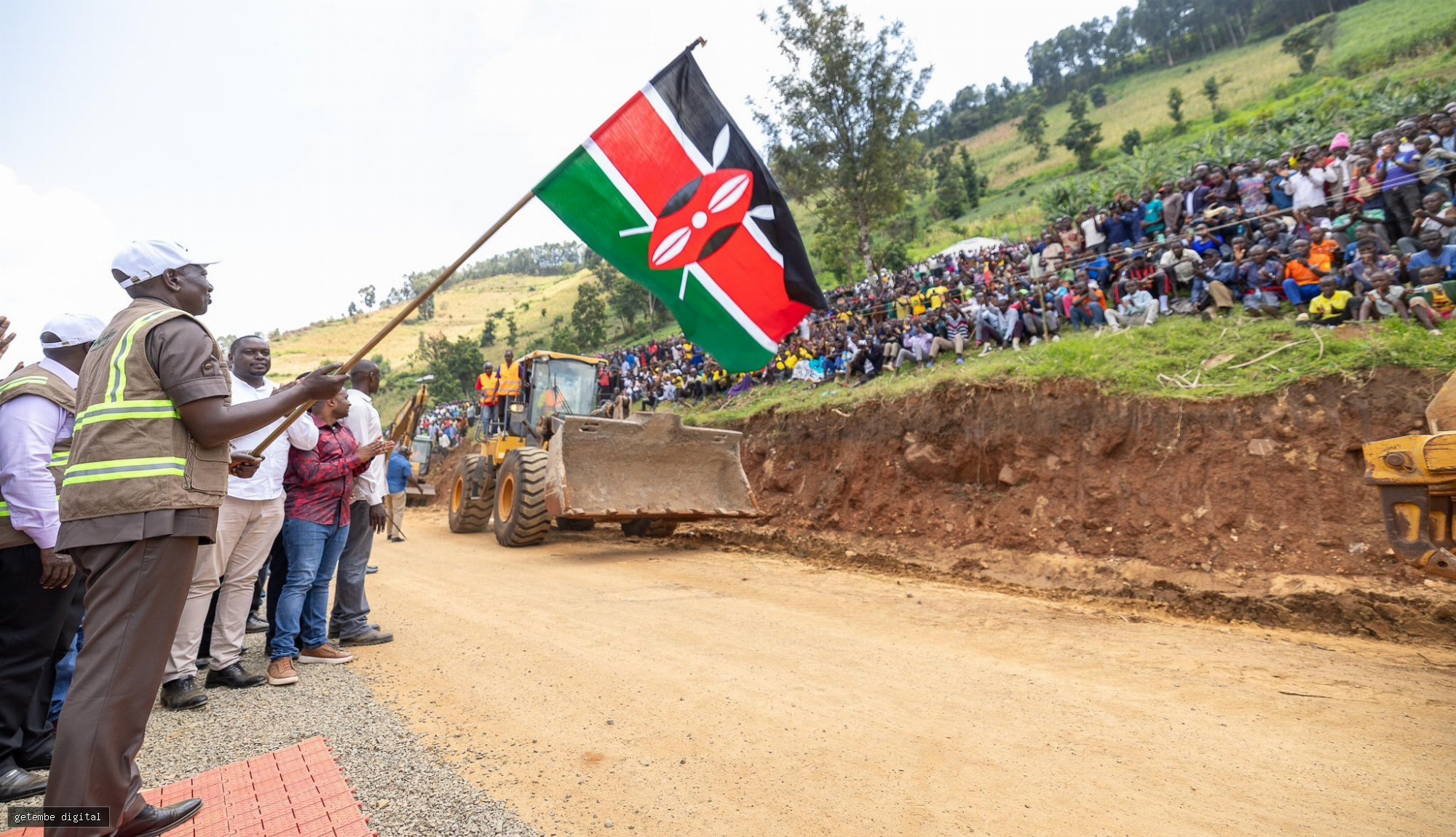
IEBC GIVES RIGATHI GACHAGUA GREEN LIGHT TO CONTEST 2027 PRESIDENTIAL ELECTION
IEBC clarifies that Rigathi Gachagua could contest the 2027 presidential election despite his impeachment, citing constitutional protections for politicians with pending appeals and reviews.
Watch Getembe TV Live
Broadcast Getembe TV Live Stream
Listen Getembe FM Live
Tune in to Getembe FM Live Broadcast
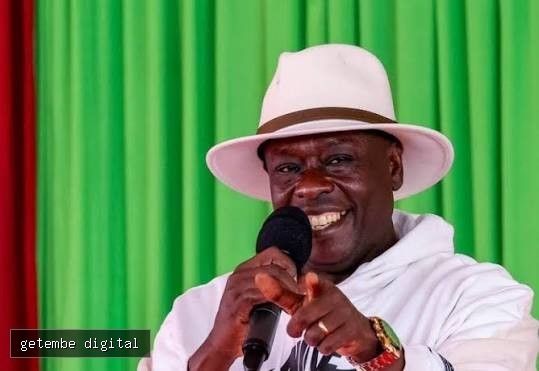
Former Deputy President Rigathi Gachagua has received a significant boost ahead of the 2027 General Election after the Independent Electoral and Boundaries Commission (IEBC) clarified that politicians pursuing active appeals or reviews against decisions affecting their eligibility can still contest elective positions.
The clarification opens the door for Gachagua to pursue his presidential ambitions despite his impeachment and subsequent legal battle challenging his removal from office.
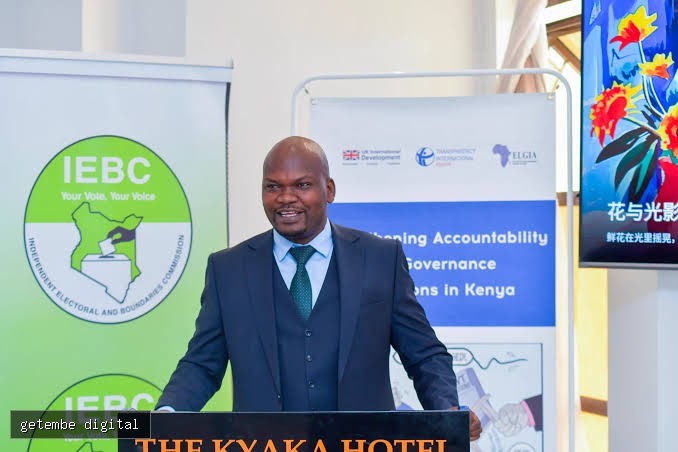
Speaking during a strategic engagement forum with political journalists on Tuesday, November 24, IEBC Director of Legal Affairs Chrispine Owiye explained that the Constitution protects individuals from automatic disqualification where legally recognised avenues of appeal or review remain unresolved.
Owiye cited Article 99(3) of the Constitution, which provides that a person cannot be disqualified under the relevant provisions until all possibilities of appeal or review of the decision in question have been exhausted.
"We have seen that even for a person who has been convicted, as long as that person can demonstrate that he is pursuing an appeal or review of that decision, he is qualified to contest," Owiye stated.
The provision is particularly significant for Gachagua, who was impeached by the Senate in October 2024 and has maintained that his removal was unconstitutional.
The former Deputy President has continued to challenge the circumstances surrounding his impeachment through the courts while publicly declaring his intention to face President William Ruto in the 2027 presidential election.
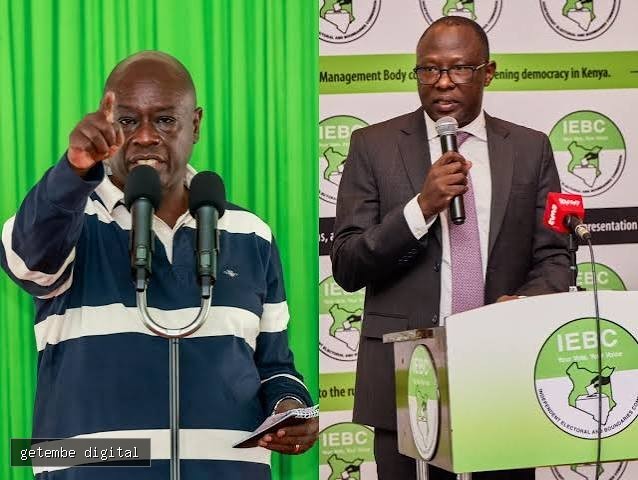
The IEBC's position therefore provides an important constitutional basis for his continued pursuit of the presidency, although the commission's clarification should not be mistaken for a final nomination clearance.
The clarification could also have implications for other politicians whose political careers have been affected by impeachment proceedings and subsequent court battles.
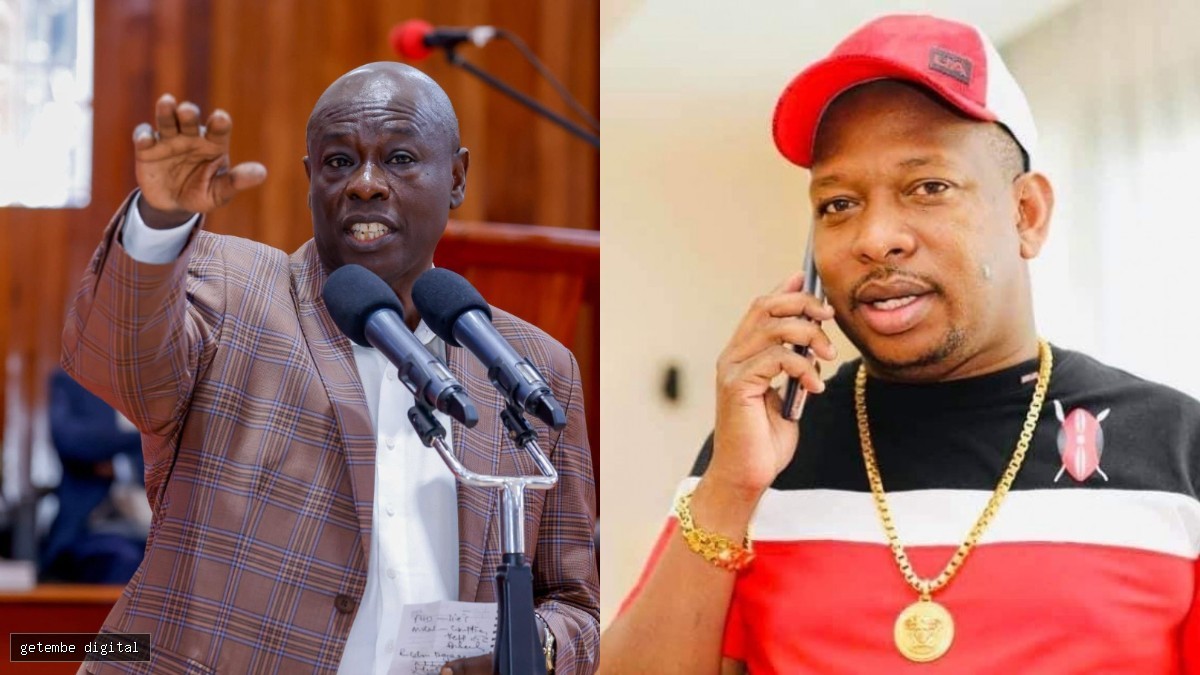
Former Nairobi Governor Mike Sonko, former Meru Governor Kawira Mwangaza and former Kiambu Governor Ferdinand Waititu are among the political figures whose eligibility questions could attract renewed attention.
However, their individual circumstances differ, meaning the existence of a previous impeachment or conviction does not automatically guarantee eligibility. The status of each person's appeals, reviews and applicable constitutional provisions remains important.
Sonko's previous attempt to contest the Mombasa gubernatorial seat in 2022 illustrates the complexity of the issue. Although the High Court initially allowed him to proceed while challenging his impeachment, the Supreme Court subsequently upheld his removal on July 15, 2022.
For Gachagua, the clarification comes as political formations and potential presidential contenders continue positioning themselves ahead of the next General Election.
His eligibility has been a recurring subject of debate following his dramatic fallout with President Ruto and subsequent removal from the Deputy President's office.
The IEBC's interpretation shifts attention towards the outcome of his ongoing legal challenges rather than treating impeachment alone as an automatic barrier to his presidential ambitions.
Nevertheless, the final determination of candidates' eligibility will depend on the constitutional requirements and the legal circumstances prevailing when the commission undertakes its nomination and clearance processes.
With the 2027 elections approaching, the clarification introduces another important dimension to the political contest, particularly for politicians seeking a return to elective office after impeachment or other legal disputes.
ADVERTISEMENT
Watch Getembe TV Live
Broadcast Getembe TV Live Stream
Listen Getembe FM Live
Tune in to Getembe FM Live Broadcast
How do you feel about this article?
Let us know by choosing a reaction below.

Written by FRANKLINE NYANDORO
Reporter and staff writer at Getembe News.
Comments 0
Please log in to participate in the comments section.
No comments yet. Be the first to share your thoughts!
ADVERTISEMENT
Related Stories
Have a news tip?
Do you have an investigation, local story or news event you think we should cover? Contact our newsroom directly.
Submit Tip
Mobile App
Download Getembe Digital App Today
Download Getembe Digital App today for live news updates, breaking notifications, and seamless live streaming.