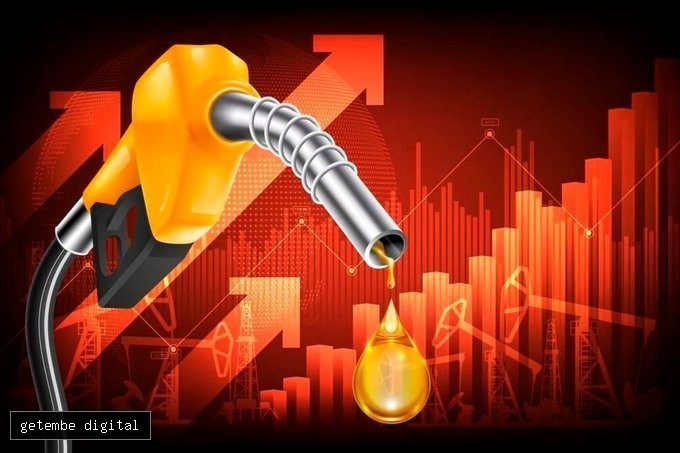
DANGOTE'S $16 BILLION LAMU REFINERY BREAKS GROUND AMID LAND DISPUTE AS KENYA TARGETS EAST AFRICA FUEL HUB
Dangote's $16 billion Lamu refinery breaks ground on September 30, aiming to replicate his Lagos success and supply fuel across East Africa — even as a land dispute with Chandavai residents casts uncertainty over the project.
Watch Getembe TV Live
Broadcast Getembe TV Live Stream
Listen Getembe FM Live
Tune in to Getembe FM Live Broadcast
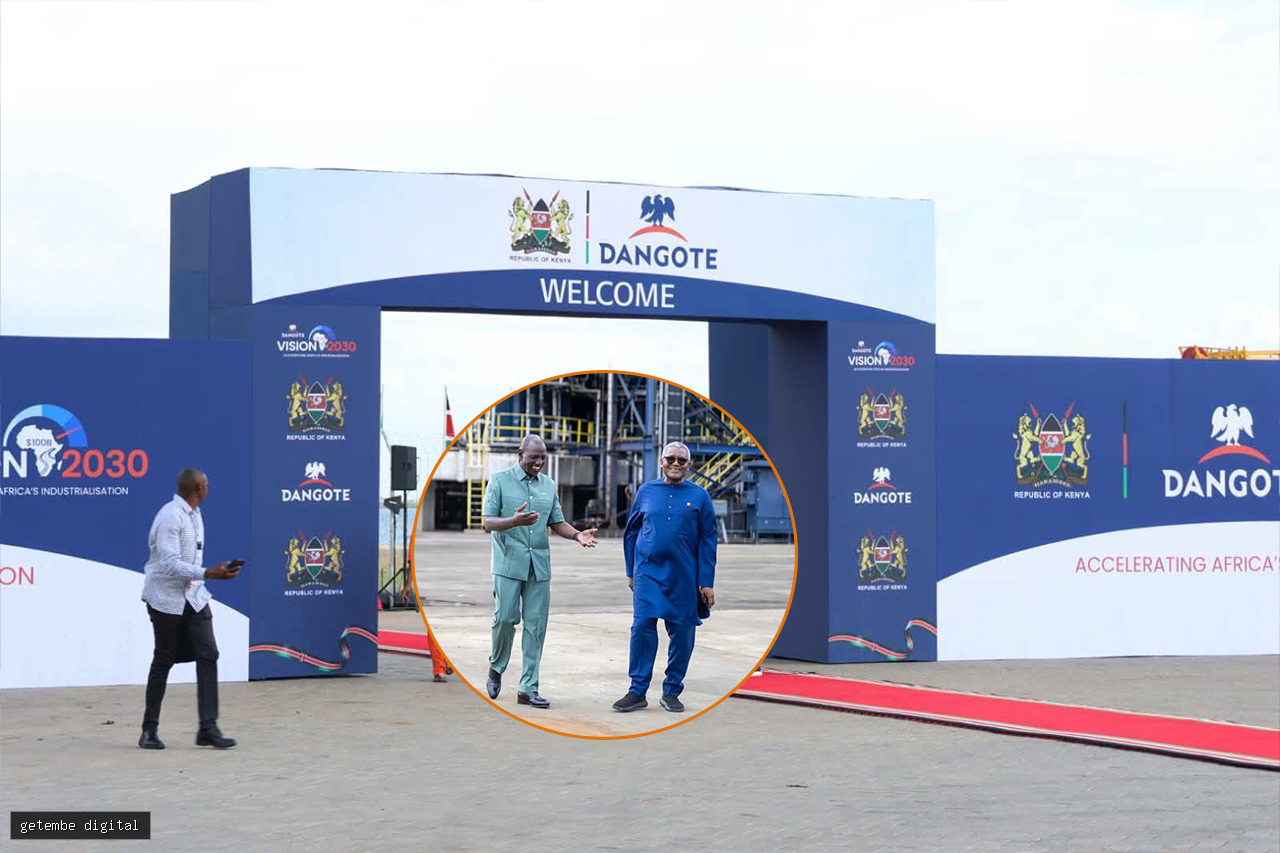
Kenya is set to begin construction of a multibillion-shilling oil refinery in Lamu, with Nigerian businessman Aliko Dangote seeking to replicate the model of his large-scale refinery in Lagos and establish a major petroleum-processing hub for East Africa.
The $16 billion (about Sh2 trillion) Dangote East Africa Refinery is scheduled for groundbreaking in Lamu on September 30, 2026. The facility is planned to have a processing capacity of 700,000 barrels of crude oil per day, matching the scale Dangote has achieved at his refinery in Nigeria.
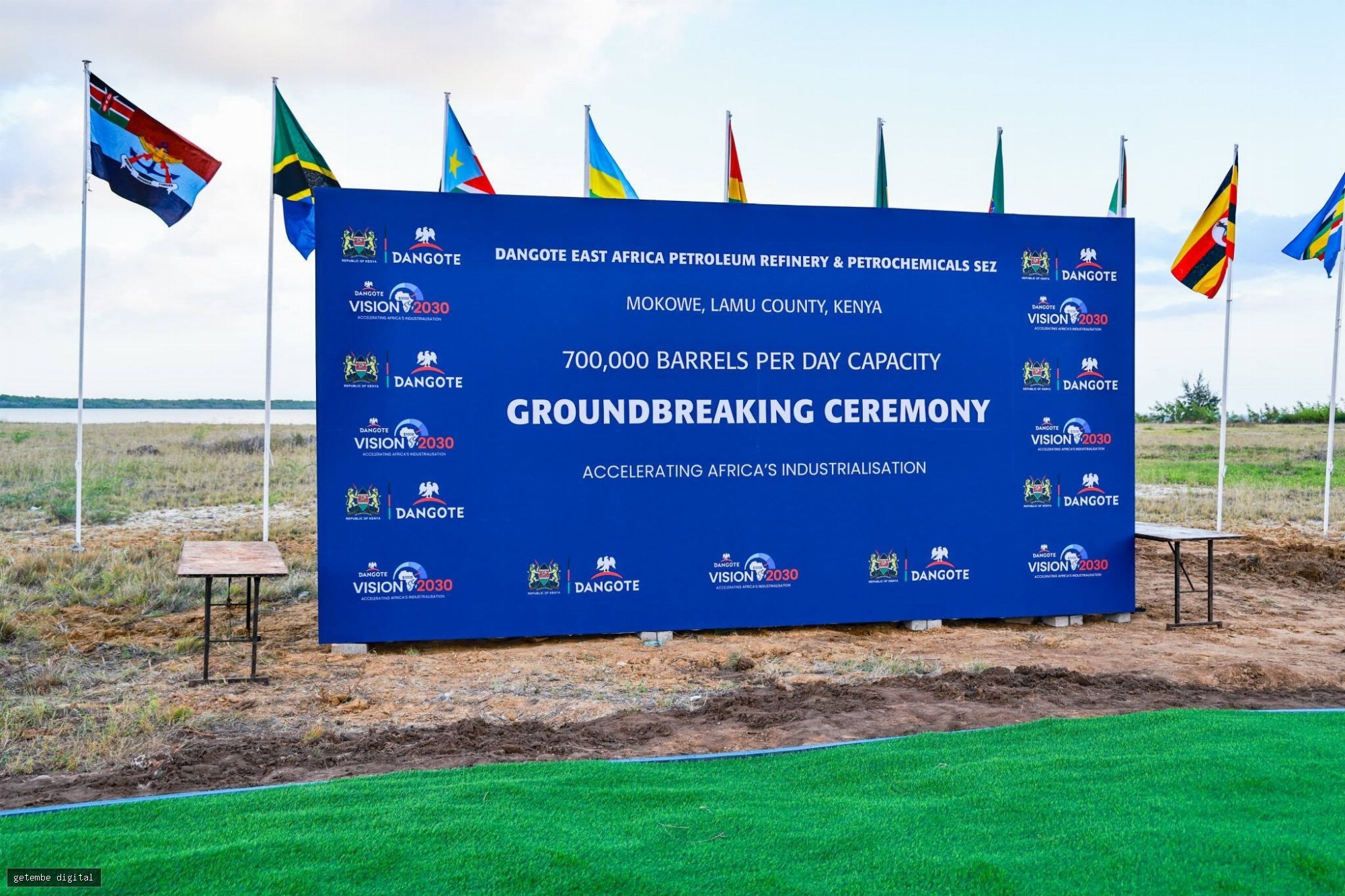
The project is expected to supply refined petroleum products to Kenya and neighbouring countries, potentially reducing the region's dependence on imported refined fuels. The proposed refinery could produce more than 100 million litres of petrol, diesel and aviation fuel daily, according to Kenyan reports.
Dangote's refinery in Lekki, Lagos, has become a major refining operation in Africa. The Nigerian facility has a nameplate capacity of 650,000 barrels per day and has tested production at 700,000 barrels per day.
The Lamu project is being designed around a similar large-scale model, with Dangote saying the Kenyan facility could become a gateway for additional industrial investments in the region.
The refinery is expected to serve markets beyond Kenya, including Uganda, Tanzania, Rwanda, Burundi, South Sudan, Ethiopia and the Democratic Republic of Congo
Kenyan officials and Dangote have linked the project to increased industrial activity, energy security and employment.
President William Ruto has said the refinery could create about 60,000 jobs, while Reuters reports that the wider project is expected to support industries such as petrochemicals and logistics.
Dangote has also said the Lamu facility will include a large power-generation component. The planned plant is expected to generate about 1,000 megawatts, with approximately 500 megawatts potentially available for sale to the Kenyan government.
The project is therefore being presented not simply as a refinery, but as part of a wider industrial complex that could attract additional investments around Lamu Port.
Despite the project's scale, securing enough crude oil remains one of its biggest challenges.
Kenya currently does not produce enough crude to supply a refinery of 700,000 barrels per day. Production from the South Lokichar fields in Turkana is projected to reach about 50,000 barrels per day from 2032, meaning the Lamu facility would have to rely heavily on crude from other countries.
Potential supplies could come from oil-producing countries in the region, including Uganda and South Sudan, while additional crude may be imported through the coast.
Reuters has identified crude availability, infrastructure and financing among the issues that could affect the project's ability to replicate the success of the Lagos refinery.
The refinery has also encountered a legal challenge over land earmarked for the development.
More than 130 residents of Chandavai in Lamu County have gone to court challenging the project and alleging that the development could result in displacement and destruction of property.
The Environment and Land Court in Malindi issued interim orders concerning activities at the site pending further proceedings. Dangote Group, however, said the court order would not stop the planned groundbreaking ceremony, although it could affect some site activities.
The land dispute adds another layer of uncertainty to a project that is already dependent on major infrastructure, financing and reliable crude supplies.
If construction proceeds as planned, the Lamu refinery is expected to be completed around 2030. The project is intended to strengthen Kenya's position as a regional energy and logistics hub while supporting the development of industries around Lamu Port.
The proposed refinery is significantly larger than Kenya's former refinery at Mombasa, which stopped refining crude oil in 2013 and was subsequently converted into a petroleum storage facility.
For Dangote, the Lamu project represents a major expansion of the group's refining business beyond Nigeria. For Kenya, it is being positioned as a potential turning point in the country's energy and industrialisation plans.
However, whether Lamu can reproduce the commercial success of Dangote's Lagos refinery will depend on several factors, including construction, crude supply, infrastructure, financing, regulatory approvals and resolution of the ongoing land dispute.
ADVERTISEMENT
Watch Getembe TV Live
Broadcast Getembe TV Live Stream
Listen Getembe FM Live
Tune in to Getembe FM Live Broadcast
How do you feel about this article?
Let us know by choosing a reaction below.

Written by Anne Moses
Reporter and staff writer at Getembe News.
Comments 0
Please log in to participate in the comments section.
No comments yet. Be the first to share your thoughts!
ADVERTISEMENT
Related Stories

Have a news tip?
Do you have an investigation, local story or news event you think we should cover? Contact our newsroom directly.
Submit Tip
Mobile App
Download Getembe Digital App Today
Download Getembe Digital App today for live news updates, breaking notifications, and seamless live streaming.