PROVING THE LOSS: THE BURDEN FACING FAMILIES OF 2024 PROTEST VICTIMS SEEKING COMPENSATION
Only one fatality claim was approved in the latest compensation phase. How do families prove their loss, and who explains the numbers?

Watch Getembe TV Live
Broadcast Getembe TV Live Stream
Listen Getembe FM Live
Tune in to Getembe FM Live Broadcast
There is something deeply unsettling about a family having to prove, through documents and administrative procedures, that the person they lost was a victim of the very human rights violations the state has undertaken to compensate.
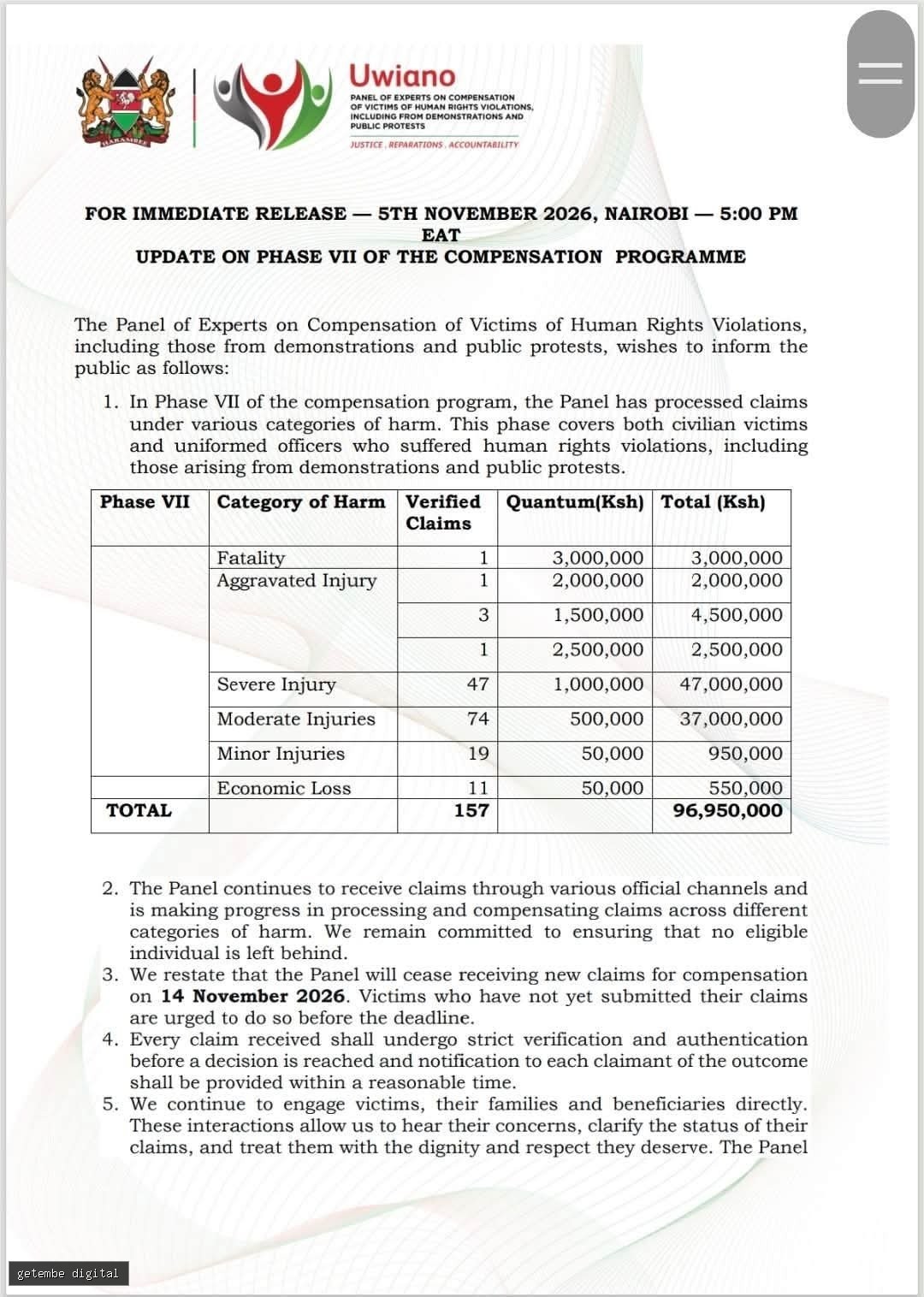
That is one of the uncomfortable questions emerging from Kenya's ongoing compensation programme for victims of human rights violations, following the release of figures showing that only one fatality claim was approved under its latest phase.
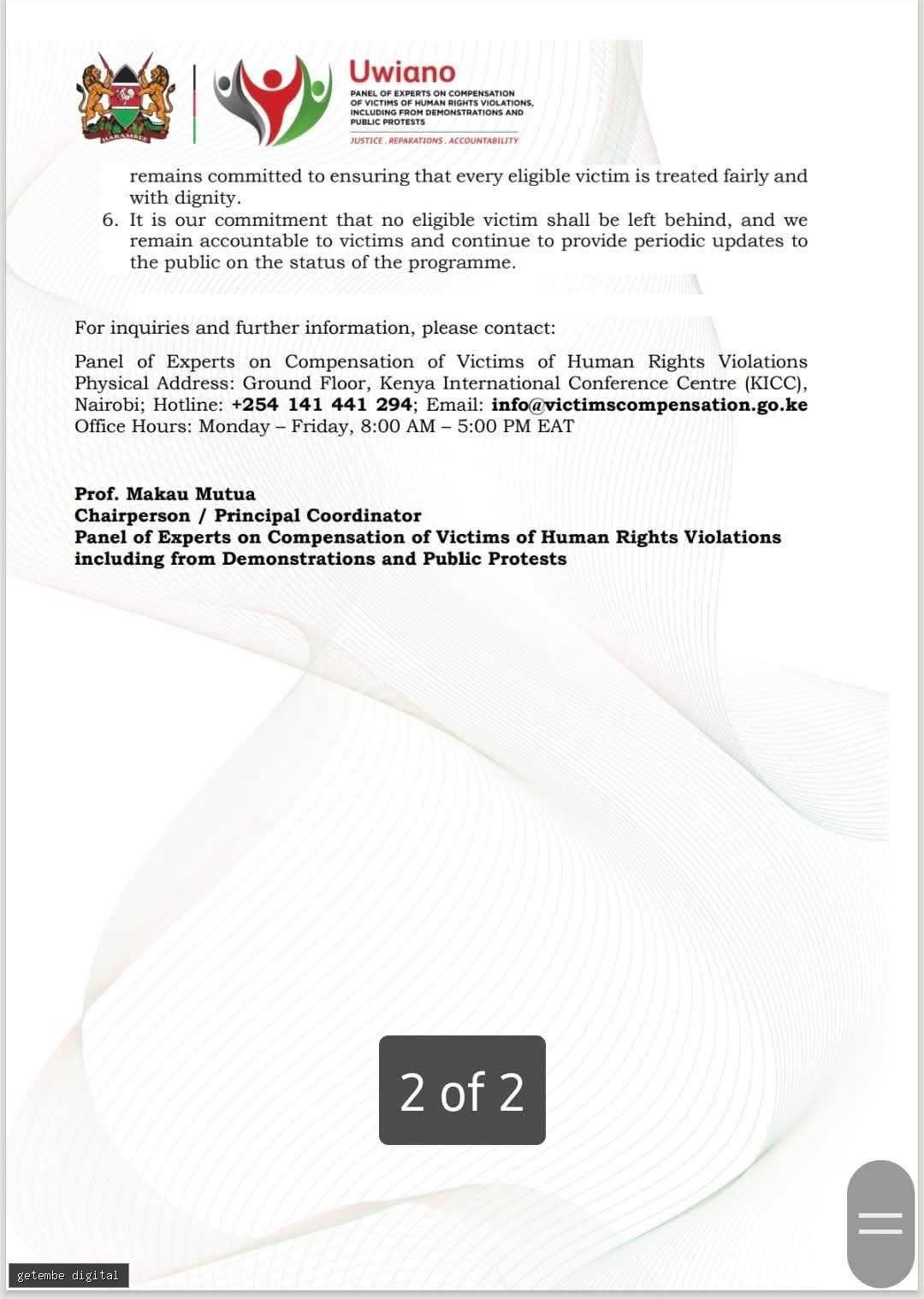
On November 5, 2026, the Panel of Experts on Compensation of Victims of Human Rights Violations, chaired by Professor Makau Mutua, announced that it had processed 157 claims worth KSh96.95 million under Phase VII. The claims covered civilians and uniformed officers who suffered different forms of harm, including severe, moderate and minor injuries, economic losses and fatalities.
Of the 157 claims, only one fell under the fatality category, attracting compensation of KSh3 million. The remaining allocations covered injuries and economic losses.
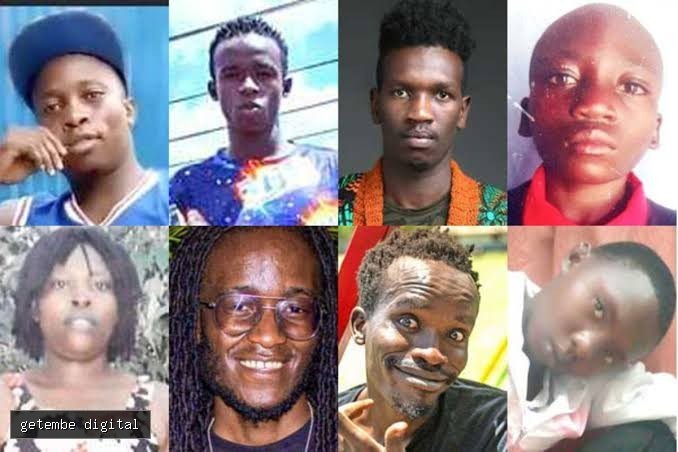
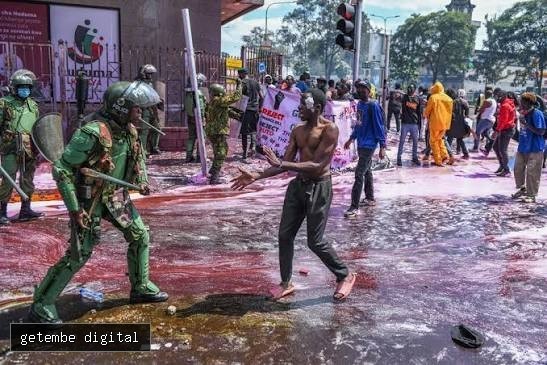
The figures immediately raised questions about the recognition of families whose relatives died during the 2024 anti-Finance Bill protests. The Kenya National Commission on Human Rights documented 60 deaths between June and July 2024, alongside hundreds of injuries.
Democratic Party leader Justin Muturi subsequently questioned the credibility and transparency of the exercise, demanding that the panel explain how its latest figures reconcile with the deaths documented by independent human rights institutions.
But perhaps the most important question is not simply why one fatality appears in the latest compensation phase. It is how a person moves from being documented as a victim of a human rights violation to being officially recognised as eligible for compensation.
That distinction matters because the one fatality recorded in Phase VII should not be confused with the total number of people who died during the protests or even the total number of fatalities handled by the compensation programme.
The panel has clarified that it has processed 236 fatality claims across the wider programme. It has also defended its verification procedures, maintaining that applications undergo scrutiny to prevent fraudulent payments and that no false claim has been compensated.
Those explanations are important. A compensation programme cannot simply approve every claim without establishing the circumstances of the alleged violation. Public funds must be protected, and families with legitimate claims deserve a process that is fair and credible.
However, strict verification should not become an additional burden for people already struggling with the consequences of losing loved ones or sustaining life-changing injuries.
Consider the position of a family whose relative died during a protest. The family may be expected to provide medical records, a post-mortem report, police documentation and other evidence to support its application. Such requirements may be necessary, but what happens when some of those records are unavailable, incomplete or difficult to obtain?
What happens when a family has no access to the very documentation needed to establish its claim? And what happens when the institutions expected to provide those records are themselves part of the wider human rights accountability questions surrounding the incident?
These are not arguments for abandoning verification. They are questions about whether the verification process is sufficiently accessible, responsive and sensitive to the circumstances of victims.
There is also a communication problem that the panel cannot afford to ignore.
When the public is presented with 157 verified claims, KSh96.95 million in compensation and one fatality, many people will naturally compare those figures with the 60 deaths documented by KNCHR during the 2024 protests.
The comparison is understandable, but the figures do not necessarily measure the same thing. KNCHR was documenting deaths associated with the protests, while the panel's latest announcement concerns claims verified and approved under one phase of a broader compensation programme.
The problem is that without a clear explanation of how those figures relate to one another, the public is left to interpret the difference for itself.
That is how administrative statistics can become a source of mistrust.
A compensation report may be accurate within its defined scope, but accuracy alone does not guarantee public understanding. When figures involving human lives are released without sufficient context, they risk reducing individual suffering to administrative categories and payment totals.
The government must therefore recognise that communicating the numbers is only part of its responsibility. It must also explain what those numbers mean, what they do not mean and what remains unresolved.
The case of Rex Kanyike Masai illustrates why this distinction matters. Masai was shot during the June 2024 protests, and his death became one of the most widely remembered cases from that period. In October 2026, a delegation from the compensation panel reportedly visited his family and conveyed a personal apology on behalf of President William Ruto.
That acknowledgement was significant, but it also raises a broader question: how many other families are still waiting for recognition, explanations or progress on their claims?
An apology, just like compensation, can acknowledge suffering. Neither automatically answers questions about the circumstances of a death or establishes accountability for those responsible.
The panel's approaching November 14 deadline for receiving new claims makes these questions even more urgent. Victims and families who have not submitted applications have been urged to do so before the window closes.
But encouraging people to submit claims is not enough. The panel should make its verification methodology accessible to the public, explain the criteria used to approve or reject applications, and publish aggregated figures showing how many fatality claims have been received, approved, rejected and remain pending.
It should also explain how its records relate to the documented deaths and injuries reported by KNCHR and other independent institutions. Where claims are rejected, applicants should receive clear reasons and information about any available review or appeal process.
There is no reason why transparency should be treated as a threat to a verification exercise. In fact, the more rigorous the process, the greater the need to explain how it works.
Ultimately, compensation should not become a numbers exercise in which the success of a programme is measured primarily by the money disbursed and the number of applications processed.
Behind every fatality claim is a person who will not return home. Behind every injury claim is someone whose life may have changed permanently. And behind every rejected or pending application may be a family still searching for recognition.
Kenya's compensation programme has an opportunity to provide meaningful redress, but its credibility will depend on more than the figures it announces. It will depend on whether victims can access the process, understand its decisions and trust that their suffering is being taken seriously.
The state must not only count the victims it has compensated. It must account for those who are still waiting to be counted.
ADVERTISEMENT
Watch Getembe TV Live
Broadcast Getembe TV Live Stream
Listen Getembe FM Live
Tune in to Getembe FM Live Broadcast
How do you feel about this article?
Let us know by choosing a reaction below.

Written by FRANKLINE NYANDORO
Reporter and staff writer at Getembe News.
Comments 0
Please log in to participate in the comments section.
No comments yet. Be the first to share your thoughts!
ADVERTISEMENT
Related Stories


Have a news tip?
Do you have an investigation, local story or news event you think we should cover? Contact our newsroom directly.
Submit Tip
Mobile App
Download Getembe Digital App Today
Download Getembe Digital App today for live news updates, breaking notifications, and seamless live streaming.