
CASEMIRO EXIT HAUNTS UNITED AS £148M MIDFIELD GAMBLE BACKFIRES.
United’s £148M midfield gamble backfires as the Red Devils remain stuck in 13th after a 0-1 defeat to 10-man City.
Watch Getembe TV Live
Broadcast Getembe TV Live Stream
Listen Getembe FM Live
Tune in to Getembe FM Live Broadcast
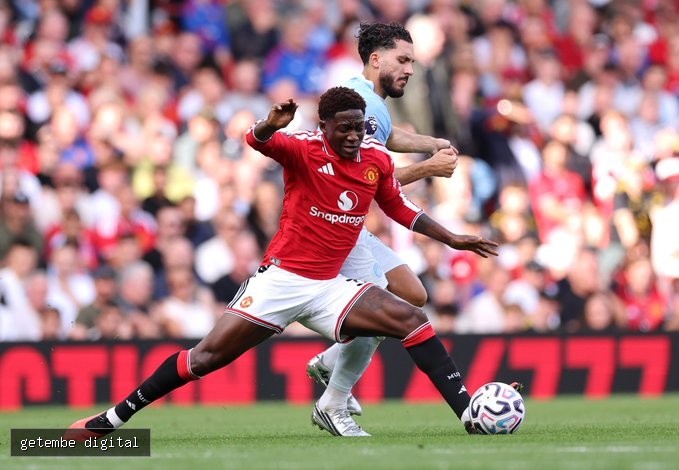
Manchester United remain stuck in 13th place in the Premier League table after a disappointing 0-1 home defeat to 10-man Manchester City on Sunday evening, a result that has sharpened focus on the club’s early-season struggles despite a major summer investment in midfield and the notable departure of long-serving midfielder Casemiro.
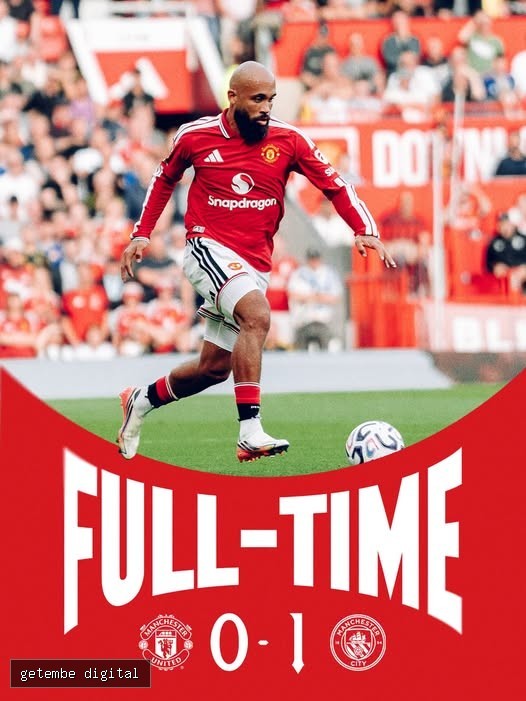
Erling Haaland’s 60th-minute goal proved enough for City to secure all three points at Old Trafford under manager Enzo Maresca, even after being reduced to 10 men. The loss left United with just four points from their opening four matches — one win, one draw and two defeats — and a goal difference of zero from seven goals scored and seven conceded. The position places them level on points with Sunderland but behind several sides in a congested lower-mid-table battle, well adrift of leaders Arsenal and Manchester City, both on 12 points after perfect starts.
The defeat to a depleted City side has intensified scrutiny of United’s midfield, where the absence of Casemiro is being widely felt. The Brazilian’s move away from the club has left the department looking unbalanced, according to observers assessing the early evidence from the new campaign. Despite the arrival of three expensive reinforcements intended to refresh and strengthen the centre of the park, the unit has yet to display the cohesion or control expected after such significant spending.
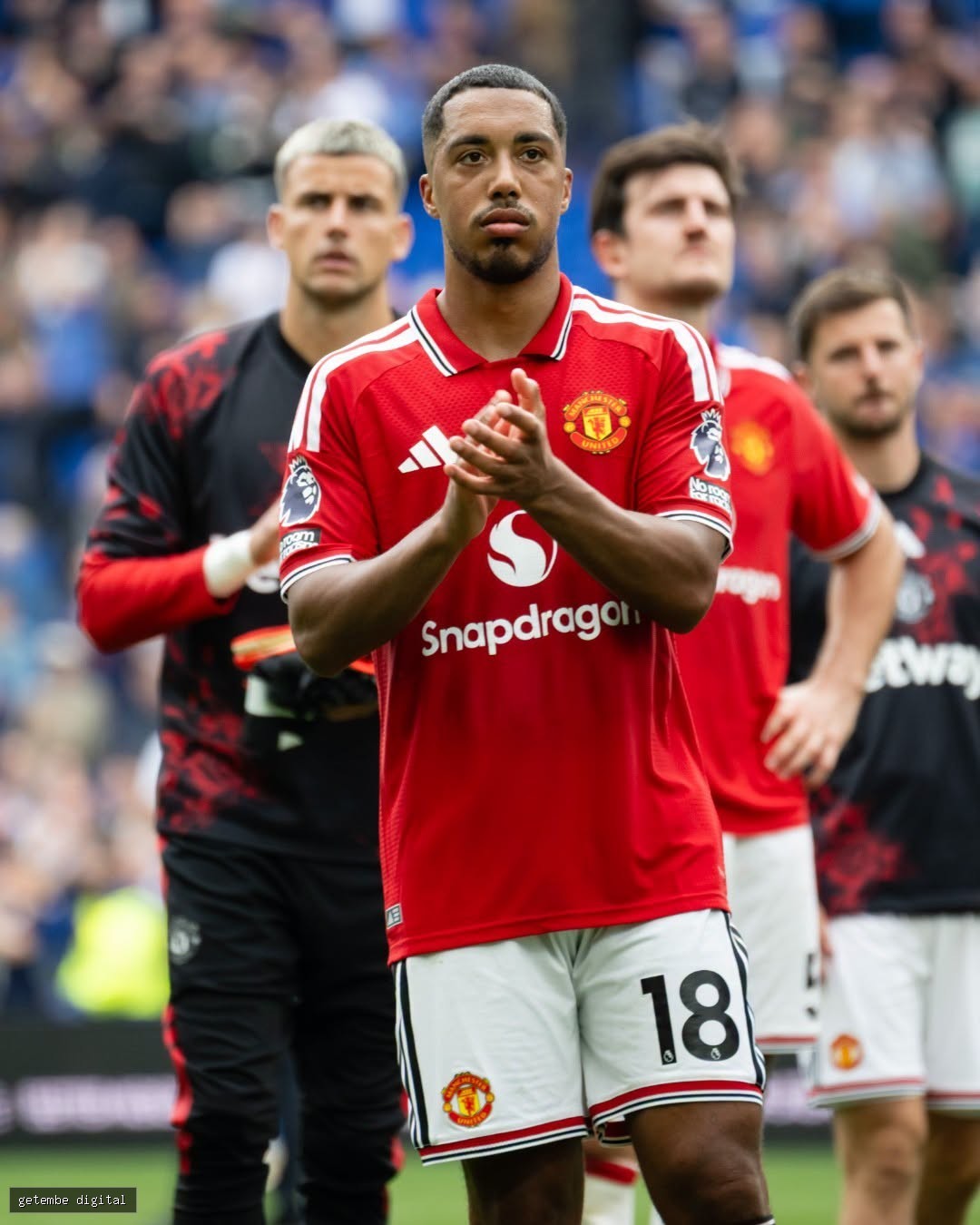
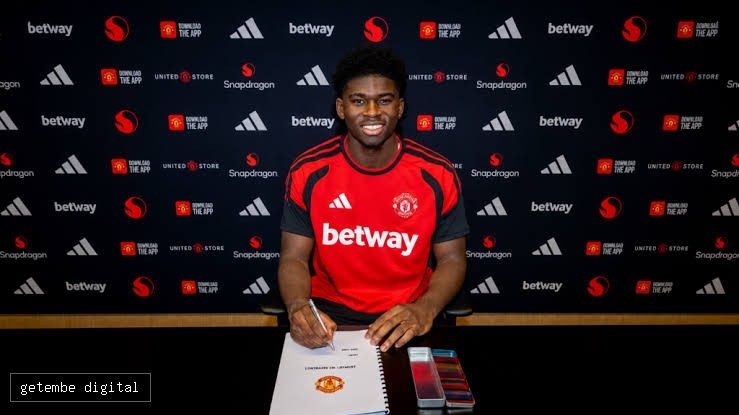
United’s summer business centred heavily on midfield. Carlos Baleba arrived from Brighton & Hove Albion in a £65 million deal, Andrey Santos joined from Chelsea for £48 million, and Youri Tielemans signed from Aston Villa for £35 million. Goalkeeper Karl Darlow was added on a free transfer from Leeds United. The combined outlay on the three midfielders alone surpassed £148 million, reflecting a clear strategy to address previous shortcomings in creativity, physicality and consistency in that area of the pitch. Yet four matches into the season, the returns have been limited, and the team sits 13th.
The latest result fitted a pattern of inconsistency. United opened with a 2-0 defeat at Hull, followed by a convincing 5-2 home win over Ipswich, a 2-2 draw with Everton, and now the narrow loss to City. In the City match, the visitors’ numerical disadvantage after an earlier dismissal failed to yield any advantage for the home side. Haaland’s clinical finish on the hour mark settled the contest, leaving United unable to break down a resolute City defence despite the extra man.
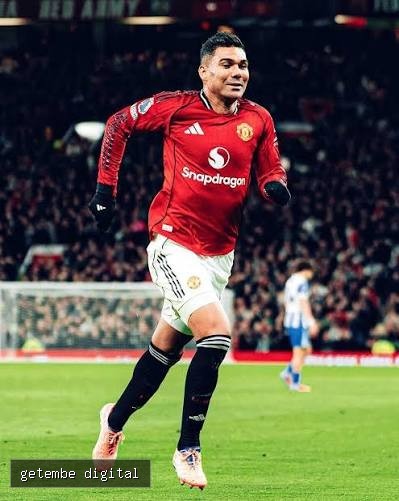
Casemiro’s exit has emerged as a significant subplot. The experienced midfielder, who had been a regular presence in previous seasons, departed the club in the transfer window. His absence is being felt in the lack of balance across the midfield. The new trio of Baleba, Santos and Tielemans bring different attributes — Baleba’s dynamism and defensive coverage, Santos’s energy and technical quality, and Tielemans’s passing range and set-piece threat — but the combination has yet to settle into a coherent unit. Without Casemiro’s experience in shielding the defence and dictating tempo in high-stakes matches, the midfield has at times appeared disjointed, particularly when transitioning between defensive solidity and attacking progression.
This imbalance has been visible in moments across the opening fixtures. Against Hull, United struggled to control the centre of the pitch and conceded twice. The Ipswich victory showcased attacking fluency and a high goal tally, yet the Everton draw and City defeat highlighted difficulties in maintaining structure when under pressure or when seeking to dominate possession against organised opponents. The 10-man City side still managed to limit United’s clear chances after taking the lead, underlining the home team’s challenges in breaking down deep blocks even with a numerical advantage.
The table tells its own story after four rounds. Arsenal and Manchester City lead the way with maximum points. Hull sit third on eight points, Brighton fourth on seven, while Chelsea occupy fifth with the same points total as United but a superior goal difference in some comparisons further up. Brentford, Liverpool, Everton and Ipswich all sit above United on six points each, with Newcastle, Leeds and Forest also ahead on five. United’s four points leave them in the bottom half, level with Sunderland and only marginally clearer of the relegation places occupied by the likes of Bournemouth, Crystal Palace and Tottenham, who have fewer points.
The heavy midfield investment was designed to prevent precisely this kind of early drift. Club hierarchy and supporters alike had anticipated that the arrival of Baleba, Santos and Tielemans would provide both immediate quality and long-term stability. Instead, the early evidence suggests the pieces are still being fitted together, and the departure of Casemiro has removed a stabilising presence that previously helped bridge transitions. The midfield has looked unbalanced in its current configuration, lacking the seamless blend of defensive discipline and progressive play that the spending was intended to deliver.
Maresca’s City side, by contrast, demonstrated resilience and efficiency. Playing with 10 men for a significant period, they still managed to secure the victory through Haaland’s strike and disciplined organisation. For United, the inability to capitalise on the numerical superiority has added to the sense of frustration surrounding the result and the broader start to the campaign.
As the season progresses, attention will remain fixed on whether the new midfield trio can develop the necessary understanding and balance. The £148 million outlay represents a substantial commitment, yet results and league position have so far failed to reflect that investment. Casemiro’s exit continues to be cited as a contributing factor to the current imbalance, leaving the side searching for the right combination to restore control and climb the table.
United’s next fixtures will provide further tests of the reshaped midfield. With only four points from a possible 12, the pressure is mounting to convert the summer spending into tangible improvement on the pitch. The 13th-place standing after four matches stands in contrast to the ambition signalled by the transfer activity, and the visible impact of Casemiro’s departure has only heightened the scrutiny on the current setup.
The early weeks of the Premier League season have already delivered surprises, but United’s position near the lower end of the table, despite the financial outlay on midfield reinforcements, ranks among the more notable. Whether the new arrivals can quickly address the imbalance left by Casemiro’s exit will go a long way toward determining how rapidly the team can improve its standing and fulfil the expectations that accompanied the heavy spending.
For now, Manchester United sit 13th, four points on the board, and searching for the cohesion that the summer recruitment was meant to provide. The 0-1 defeat to 10-man Manchester City has served as the latest illustration of the challenge still facing the side in the centre of the park.
Erling Haaland’s 60th-minute goal proved enough for City to secure all three points at Old Trafford under manager Enzo Maresca, even after being reduced to 10 men. The loss left United with just four points from their opening four matches — one win, one draw and two defeats — and a goal difference of zero from seven goals scored and seven conceded. The position places them level on points with Sunderland but behind several sides in a congested lower-mid-table battle, well adrift of leaders Arsenal and Manchester City, both on 12 points after perfect starts.
The defeat to a depleted City side has intensified scrutiny of United’s midfield, where the absence of Casemiro is being widely felt. The Brazilian’s move away from the club has left the department looking unbalanced, according to observers assessing the early evidence from the new campaign. Despite the arrival of three expensive reinforcements intended to refresh and strengthen the centre of the park, the unit has yet to display the cohesion or control expected after such significant spending.
United’s summer business centred heavily on midfield. Carlos Baleba arrived from Brighton & Hove Albion in a £65 million deal, Andrey Santos joined from Chelsea for £48 million, and Youri Tielemans signed from Aston Villa for £35 million. Goalkeeper Karl Darlow was added on a free transfer from Leeds United. The combined outlay on the three midfielders alone surpassed £148 million, reflecting a clear strategy to address previous shortcomings in creativity, physicality and consistency in that area of the pitch. Yet four matches into the season, the returns have been limited, and the team sits 13th.
The latest result fitted a pattern of inconsistency. United opened with a 2-0 defeat at Hull, followed by a convincing 5-2 home win over Ipswich, a 2-2 draw with Everton, and now the narrow loss to City. In the City match, the visitors’ numerical disadvantage after an earlier dismissal failed to yield any advantage for the home side. Haaland’s clinical finish on the hour mark settled the contest, leaving United unable to break down a resolute City defence despite the extra man.
Casemiro’s exit has emerged as a significant subplot. The experienced midfielder, who had been a regular presence in previous seasons, departed the club in the transfer window. His absence is being felt in the lack of balance across the midfield. The new trio of Baleba, Santos and Tielemans bring different attributes — Baleba’s dynamism and defensive coverage, Santos’s energy and technical quality, and Tielemans’s passing range and set-piece threat — but the combination has yet to settle into a coherent unit. Without Casemiro’s experience in shielding the defence and dictating tempo in high-stakes matches, the midfield has at times appeared disjointed, particularly when transitioning between defensive solidity and attacking progression.
This imbalance has been visible in moments across the opening fixtures. Against Hull, United struggled to control the centre of the pitch and conceded twice. The Ipswich victory showcased attacking fluency and a high goal tally, yet the Everton draw and City defeat highlighted difficulties in maintaining structure when under pressure or when seeking to dominate possession against organised opponents. The 10-man City side still managed to limit United’s clear chances after taking the lead, underlining the home team’s challenges in breaking down deep blocks even with a numerical advantage.
The table tells its own story after four rounds. Arsenal and Manchester City lead the way with maximum points. Hull sit third on eight points, Brighton fourth on seven, while Chelsea occupy fifth with the same points total as United but a superior goal difference in some comparisons further up. Brentford, Liverpool, Everton and Ipswich all sit above United on six points each, with Newcastle, Leeds and Forest also ahead on five. United’s four points leave them in the bottom half, level with Sunderland and only marginally clearer of the relegation places occupied by the likes of Bournemouth, Crystal Palace and Tottenham, who have fewer points.
The heavy midfield investment was designed to prevent precisely this kind of early drift. Club hierarchy and supporters alike had anticipated that the arrival of Baleba, Santos and Tielemans would provide both immediate quality and long-term stability. Instead, the early evidence suggests the pieces are still being fitted together, and the departure of Casemiro has removed a stabilising presence that previously helped bridge transitions. The midfield has looked unbalanced in its current configuration, lacking the seamless blend of defensive discipline and progressive play that the spending was intended to deliver.
Maresca’s City side, by contrast, demonstrated resilience and efficiency. Playing with 10 men for a significant period, they still managed to secure the victory through Haaland’s strike and disciplined organisation. For United, the inability to capitalise on the numerical superiority has added to the sense of frustration surrounding the result and the broader start to the campaign.
As the season progresses, attention will remain fixed on whether the new midfield trio can develop the necessary understanding and balance. The £148 million outlay represents a substantial commitment, yet results and league position have so far failed to reflect that investment. Casemiro’s exit continues to be cited as a contributing factor to the current imbalance, leaving the side searching for the right combination to restore control and climb the table.
United’s next fixtures will provide further tests of the reshaped midfield. With only four points from a possible 12, the pressure is mounting to convert the summer spending into tangible improvement on the pitch. The 13th-place standing after four matches stands in contrast to the ambition signalled by the transfer activity, and the visible impact of Casemiro’s departure has only heightened the scrutiny on the current setup.
The early weeks of the Premier League season have already delivered surprises, but United’s position near the lower end of the table, despite the financial outlay on midfield reinforcements, ranks among the more notable. Whether the new arrivals can quickly address the imbalance left by Casemiro’s exit will go a long way toward determining how rapidly the team can improve its standing and fulfil the expectations that accompanied the heavy spending.
For now, Manchester United sit 13th, four points on the board, and searching for the cohesion that the summer recruitment was meant to provide. The 0-1 defeat to 10-man Manchester City has served as the latest illustration of the challenge still facing the side in the centre of the park.
ADVERTISEMENT
Watch Getembe TV Live
Broadcast Getembe TV Live Stream
Listen Getembe FM Live
Tune in to Getembe FM Live Broadcast
How do you feel about this article?
Let us know by choosing a reaction below.
#FootballNews
#GetembeDigital
#ManchesterUnited
#ManUnited
#PremierLeague
#RedDevils
#FootballUpdates
#EPL
#ManchesterCity
#GetembeFM
#ManUtd
#Casemiro
#ManchesterDerby
#GetembeShow

Comments 0
Please log in to participate in the comments section.
No comments yet. Be the first to share your thoughts!
ADVERTISEMENT
Related Stories
Have a news tip?
Do you have an investigation, local story or news event you think we should cover? Contact our newsroom directly.
Submit Tip
Mobile App
Download Getembe Digital App Today
Download Getembe Digital App today for live news updates, breaking notifications, and seamless live streaming.