KENYA’S NATIONAL HOLIDAYS ARE PUTTING COUNTIES ON THE DEVELOPMENT MAP BUT AT WHAT COST?
From upgraded stadiums to improved roads, Kenya’s national celebrations are bringing development closer to the counties. But why does it sometimes take a presidential visit to get projects moving?

Watch Getembe TV Live
Broadcast Getembe TV Live Stream
Listen Getembe FM Live
Tune in to Getembe FM Live Broadcast
For decades, Kenya’s biggest national celebrations followed a familiar script: the military parades, presidential speeches and ceremonial displays unfolded in Nairobi, while the rest of the country watched from a distance. The capital was the stage; the counties were the audience.
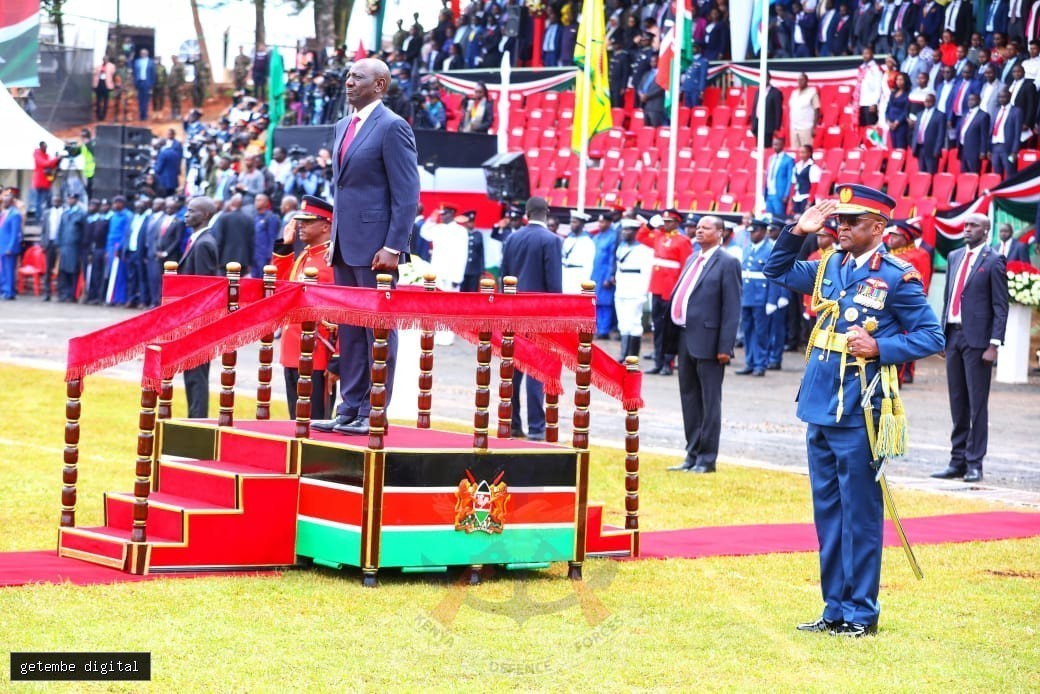
Then the script began to change. Under the devolution era, Madaraka Day and Mashujaa Day celebrations increasingly travelled beyond Nairobi, bringing the machinery of the national government into different parts of the country. What appeared to be a symbolic gesture of national unity has also developed into an unusual instrument of infrastructure delivery, drawing roads, stadiums, lighting, water projects and public facilities into the spotlight.
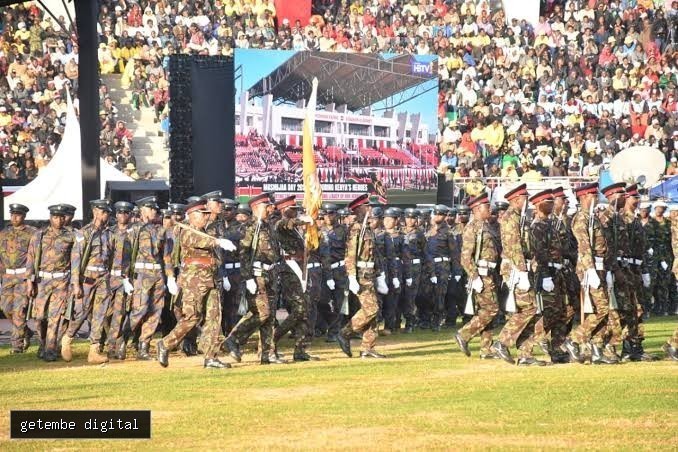
The significance lies in what happens before the celebrations begin. Once a county is selected to host, the countdown starts. National ministries, government agencies and county administrations face a deadline that cannot easily be postponed without public scrutiny. Projects that might otherwise move slowly acquire urgency. Contractors return to construction sites, roads receive attention, public spaces are refurbished, and facilities are prepared to accommodate thousands of visitors.
For communities accustomed to watching national development announcements from afar, the difference can be tangible. But it also raises a fundamental question: why does it sometimes take a national celebration to accelerate projects that residents have needed for years?
When ceremony becomes a development deadline
Kenya’s 2010 Constitution established devolution to bring government closer to the people and address longstanding regional inequalities. The rotation of national celebrations adds a different dimension to that promise: it brings national visibility, political pressure and a fixed delivery date to selected counties.
The results have varied from one host to another. Stadiums have been constructed or upgraded, access roads improved, street lighting installed, markets refurbished and other public facilities developed. The preparations also create immediate economic opportunities. Hotels accommodate visiting delegations, traders attract additional customers, transport operators experience increased demand, and construction activity creates temporary employment.
Kisumu, Kericho, Bungoma, Embu, Homa Bay, Kitui and Kwale illustrate how hosting a national celebration can coincide with significant public investment. Stadium improvements, road works and other infrastructure have helped some of these counties strengthen their capacity to host sporting events, public gatherings and commercial activity.
The immediate economic boost, however, should not be confused with lasting prosperity. A hotel filling its rooms for a national celebration is not the same as a tourism industry generating reliable income throughout the year. A trader benefiting from a temporary surge in customers still needs a local economy capable of sustaining demand after the visitors leave.
The enduring value of these investments will therefore depend on what happens next: whether facilities are maintained, roads connect communities to markets, and public infrastructure serves everyday needs rather than occasional ceremonies.
Three counties, one national stage
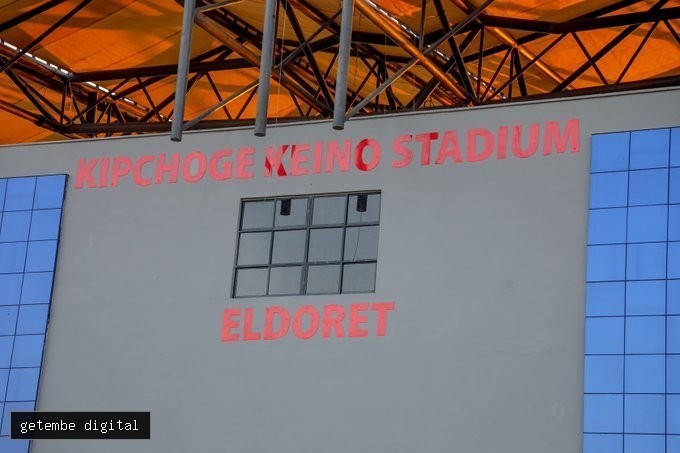
The 2026 Mashujaa Day celebrations in the North Rift extend this approach beyond a single host county. Uasin Gishu, Nandi and Elgeyo Marakwet are sharing the hosting responsibilities, with Kipchoge Keino Stadium in Eldoret serving as the principal venue and activities extending to Kapsabet and Iten.
The arrangement brings the region’s sporting heritage into sharper national focus while placing attention on infrastructure, including roads, water connectivity, street lighting, markets and sports facilities.
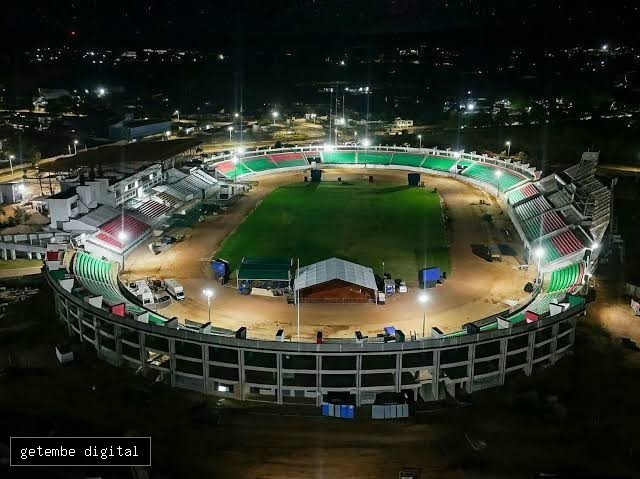
There is a practical logic to this regional approach. Development does not stop at county boundaries, and neither do the economic networks that connect producers, traders, workers and visitors. Better transport links between Eldoret, Kapsabet and Iten could strengthen movement across the region, provided the improvements are completed to an acceptable standard and maintained beyond the celebrations.
The region’s athletics identity also offers an opportunity to connect infrastructure investment with sports tourism, talent development and business. But that potential will not be realised simply because the country gathers in Eldoret for a national holiday. It requires sustained investment in training facilities, local enterprises, transport and the institutions that support athletes and visitors throughout the year.
The celebration can open the door. What follows will determine whether the region benefits from the opportunity.
The policy's most compelling test lies in places where infrastructure deficits have reinforced a sense of exclusion from national development.
Northern Kenya, parts of the Coast and many arid and semi-arid areas have faced longstanding challenges involving road access, water supply, public services and connectivity. In such regions, hosting a national celebration can carry significance beyond the construction projects themselves. It signals that these communities are visible to the national government and can occupy the centre of the country's public life.
Wajir's selection to host Madaraka Day brought attention to proposed and ongoing investments in facilities, including its stadium and airport infrastructure. Kwale's hosting of Mashujaa Day similarly drew attention to stadium development, roads, lighting and other public facilities.
Such projects can have practical consequences. Improved roads can reduce travel difficulties and help farmers and traders move goods. Better sports facilities can create spaces for community activities and competitions. Airport upgrades can strengthen connectivity where there is sufficient demand and a viable economic purpose.
Yet the distribution of national celebrations should not become a substitute for the equitable distribution of public resources. A county should not have to host the president, welcome national dignitaries or attract television cameras before its infrastructure needs receive serious attention.
That is the central tension within this development model: hosting can accelerate investment, but constitutional equality should not depend on ceremonial selection.
National celebrations do more than provide deadlines for construction. They create moments of political visibility.
When the president and senior government officials arrive in a county, local infrastructure needs become part of the national conversation. Residents encounter national institutions on their own ground, local cultures receive wider exposure, and regional achievements become visible to audiences across the country.
For county governments, hosting can demonstrate administrative capacity and attract attention to local priorities. For the national government, it provides an opportunity to showcase projects and communicate its development agenda. For residents, however, the most important measure is more straightforward: what remains after the speeches end?
A newly upgraded stadium matters if young people can use it. A rehabilitated road matters if it remains passable during the rainy season. A market matters if traders can operate there affordably. Water infrastructure matters if households receive reliable supplies.
These are the measures that distinguish development from presentation.
There are also legitimate concerns about cost, quality, delays and competing priorities. Accelerated construction must not weaken procurement safeguards, technical standards or public accountability. Nor should a county be left with expensive facilities that lack maintenance budgets, adequate management or sufficient community use.
The projects must be assessed individually, with evidence of their costs, completion, quality and benefits, rather than assuming that every announcement translates into a lasting improvement.
The rotation of national celebrations has helped redirect attention and, in several host counties, accelerate visible infrastructure development. Its broader value lies in demonstrating how political urgency can be converted into public investment.
But urgency should not be the exception in government service delivery. Communities need roads when they are transporting produce, water systems during prolonged dry spells, functioning markets for their businesses and sports facilities throughout the year not only when a national celebration is approaching.
The next stage of this policy should therefore be measured not by how impressive a venue looks on the day, but by how effectively it serves residents in the years that follow. That means transparent project costs, proper maintenance, public access, clear development priorities and continued investment in counties that have yet to host.
Devolution promised to bring government closer to the people. National celebrations offer one way of making that promise visible, but they cannot fulfil it alone. Lasting inclusion requires predictable funding, fair allocation of resources and infrastructure planning that responds to need rather than the national calendar.
When the flags move, the roads may follow. The greater achievement will be ensuring that they continue to serve the people long after the flags have been taken down and that every county receives the attention it deserves, whether or not it ever hosts the national stage.
ADVERTISEMENT
Watch Getembe TV Live
Broadcast Getembe TV Live Stream
Listen Getembe FM Live
Tune in to Getembe FM Live Broadcast
How do you feel about this article?
Let us know by choosing a reaction below.

Written by FRANKLINE NYANDORO
Reporter and staff writer at Getembe News.
Comments 0
Please log in to participate in the comments section.
No comments yet. Be the first to share your thoughts!
ADVERTISEMENT
Related Stories
Have a news tip?
Do you have an investigation, local story or news event you think we should cover? Contact our newsroom directly.
Submit Tip
Mobile App
Download Getembe Digital App Today
Download Getembe Digital App today for live news updates, breaking notifications, and seamless live streaming.