














EBOLA OUTBREAK IGNITES VIOLENCE IN EASTERN DRC: HOSPITAL ATTACKED OVER SAFE BURIAL DISPUTE
An angry mob attacked an Ebola hospital in eastern DRC after being denied the body of a young footballer for traditional burial, burning isolation tents and sparking chaos amid deep community mistrust.

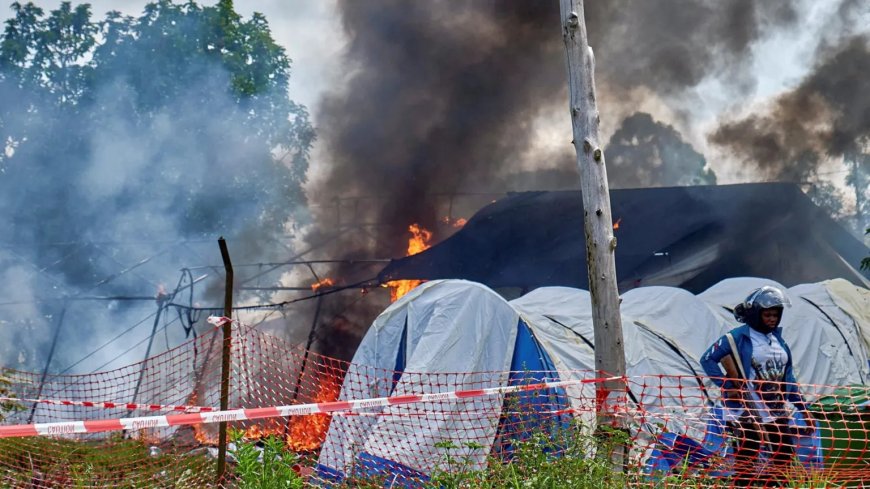
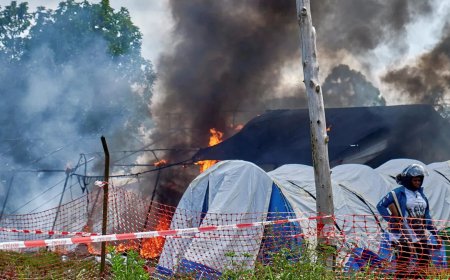
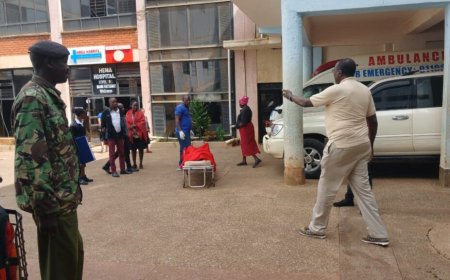
Ebola Outbreak Ignites Violence in Eastern DRC: Hospital Attacked Over Safe Burial DisputeBunia, Democratic Republic of the Congo — An angry crowd stormed a hospital in eastern Democratic Republic of the Congo on Friday, hurling stones and burning Ebola isolation tents after health workers prevented relatives from taking the body of a young man believed to have died from the virus.
The unrest at Rwampara General Hospital, located near the provincial capital of Bunia in Ituri province, underscores the deep mistrust and misinformation complicating efforts to contain the latest Ebola outbreak in one of the world’s most conflict-prone regions.
According to local politician Luc Malembe Malembe, protesters — including friends and family of the deceased — clashed with security forces after being denied the body for a traditional burial. Police fired warning shots to disperse the crowd. One healthcare worker was injured by stones. Two treatment tents used as isolation wards were destroyed, and a body awaiting safe burial was burned during the chaos.
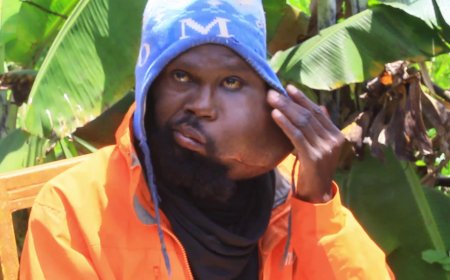
The deceased was a well-known local footballer. His mother insisted he had died from typhoid fever, not Ebola. Many in the community reportedly share similar doubts, believing the outbreak is being exaggerated by hospitals and international aid organizations for financial gain.
Health authorities stress that Ebola victims remain highly infectious even after death. Bodies must undergo specialized “safe and dignified burials” to prevent further transmission — a requirement that frequently conflicts with local customs and fuels community resistance.
All patients accounted for
Initial reports suggested that up to six confirmed Ebola patients had escaped the hospital amid the violence. However, the medical charity Alima, which supports the facility, later confirmed that all patients were located and remain under treatment. The hospital has since been placed under military protection.
This incident comes as the World Health Organization (WHO) continues to manage a growing public health emergency. On May 17, 2026, the WHO declared the outbreak a Public Health Emergency of International Concern (PHEIC) — the highest level of alert — though it stopped short of calling it a pandemic.
The outbreak is driven by the Bundibugyo strain of Ebola, a relatively rare variant for which no approved vaccine currently exists. Health officials warn that developing and deploying a vaccine could take several months.
As of May 22, health authorities have recorded hundreds of suspected cases and more than 130 deaths, with confirmed figures still rising. The epicenter remains in Ituri province, but cases have spread to neighboring areas, including North Kivu. A case was also reported in rebel-held South Kivu province, involving a 28-year-old man who had traveled from Kisangani.
Two imported cases have been detected in neighboring Uganda, prompting authorities there to suspend cross-border transport and restrict movement along the Semliki River.
Deep-rooted challenges
Controlling the outbreak is proving exceptionally difficult due to a toxic mix of factors:
- Armed conflict: Eastern DRC is plagued by numerous rebel groups, including the M23 movement, which now controls parts of the affected region. While M23 has pledged cooperation with health organizations, its ability to manage a complex health crisis remains untested.
- Community mistrust: Decades of violence, exploitation by outsiders, and previous outbreaks have left many residents deeply suspicious of government and international health interventions.
- Misinformation: Rumors that Ebola is a hoax or a money-making scheme are widespread, particularly in remote communities.
- Logistical hurdles: Poor infrastructure, porous borders, and population mobility linked to mining and trade complicate contact tracing and isolation efforts.
Response efforts underwayInternational organizations including WHO, MSF (Doctors Without Borders), the Africa Centres for Disease Control and Prevention, and Alima are working to scale up operations. Efforts include expanding treatment centers, strengthening surveillance, distributing personal protective equipment, and launching community engagement campaigns to explain the importance of safe burials and early treatment.
Experts emphasize that rapid case detection, isolation, and contact tracing remain the most effective tools against this strain, given the current lack of a vaccine.
The DRC has experienced 17 Ebola outbreaks since the virus was first identified in 1976. The country’s previous major outbreak in 2018–2020 killed more than 2,200 people and highlighted many of the same challenges now resurfacing.
As the situation evolves, health officials are racing against time to prevent wider regional spread. With conflict zones, porous borders, and significant community resistance in play, the coming weeks will be critical in determining whether this outbreak can be contained — or whether it will escalate into a larger humanitarian and health crisis.
What's Your Reaction?
 Like
0
Like
0
 Dislike
0
Dislike
0
 Love
0
Love
0
 Funny
0
Funny
0
 Angry
0
Angry
0
 Sad
0
Sad
0
 Wow
0
Wow
0