


























US QUARANTINE BASE IN KENYA IGNITES FIERCE BACKLASH
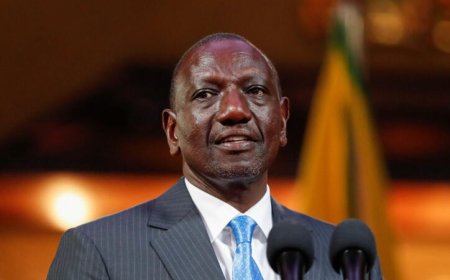
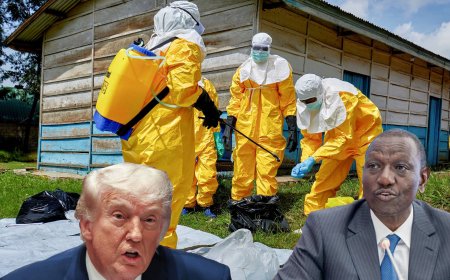
The United States has set up a quarantine facility at Laikipia Air Base in Kenya for Americans exposed to the ongoing Ebola outbreak in the DRC, sparking strong public backlash and protests in Kenya. Critics accuse the move of turning the country into a “dumping ground” for Ebola risks, leading to a Kenyan High Court order suspending the facility. The controversy highlights tensions between regional health cooperation and national safety concerns amid the escalating Bundibugyo Ebola outbreak.

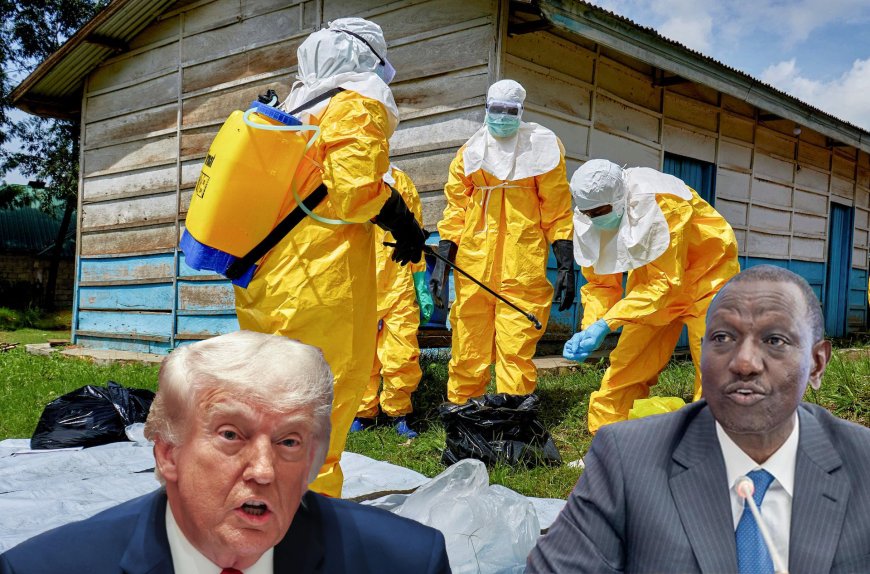
US Ebola Quarantine Facility in Kenya Sparks Controversy Amid DRC Outbreak
Nairobi, Kenya – May 29, 2026
As the Ebola outbreak in the Democratic Republic of the Congo escalates into a public health emergency of international concern, the United States has moved to establish a dedicated quarantine and treatment facility in Kenya for American citizens exposed to the virus. The initiative, intended to provide faster care closer to the outbreak zone, has triggered sharp public criticism, protests, and a court-ordered suspension in Kenya.
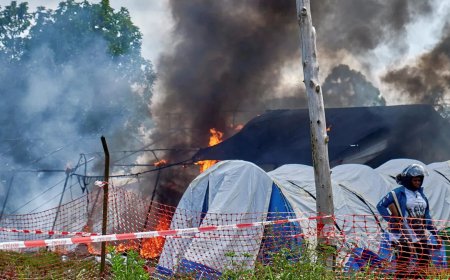
The current Ebola outbreak, driven by the Bundibugyo virus strain for which no approved vaccine or specific treatment is available, was confirmed in Ituri Province in eastern DRC in mid-May 2026. As of late May, health authorities report over 1,000 suspected cases and hundreds of suspected deaths across Ituri, Nord-Kivu, and Sud-Kivu provinces, with confirmed cases also appearing in Uganda, including links to travel from DRC. The World Health Organization declared the situation a Public Health Emergency of International Concern on May 17, highlighting risks from conflict, population movement, and cross-border travel. Kenya has reported no cases but maintains high alert with enhanced screening at borders and entry points.
In a notable policy shift, the US is directing exposed Americans to a facility in Kenya rather than evacuating them home as in past outbreaks. The planned 50-bed quarantine unit is located at Laikipia Air Base in central Kenya near Nanyuki. It targets asymptomatic individuals at high risk, aiming to reduce the dangers of lengthy medical evacuations exceeding 12 hours. Staffed by US Public Health Service officers experienced in prior Ebola responses, the site offers monitoring and supportive care, with options for further evacuation of symptomatic or confirmed cases to Europe. Kenya granted written approval for US access to the base, and the US pledged support including $13.5 million for Kenya’s Ebola preparedness. The facility was expected to become operational around May 29–30, 2026.
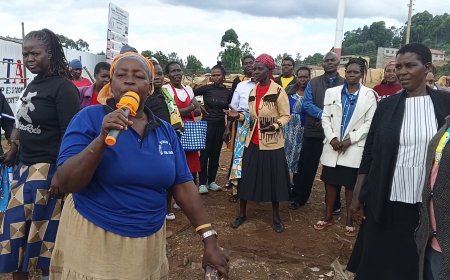
The plan has drawn intense backlash in Kenya. Critics, including the Kenya Medical Practitioners, Pharmacists and Dentists Union, the Law Society of Kenya, and civil society organizations like the Katiba Institute, argue that it exposes an Ebola-free nation to unnecessary risk and question the decision to site the facility in Kenya instead of more experienced neighboring countries. Public discourse has accused the arrangement of treating Kenya as a “dumping ground” for foreign health risks.
On May 29, the Kenyan High Court issued urgent conservatory orders suspending operations at the facility. Justice Patricia Nyaundi ruled that the government cannot facilitate, approve, or allow entry of exposed persons under the plan pending a full hearing scheduled around June 2. The orders followed a petition challenging the legality and public interest implications of the agreement.
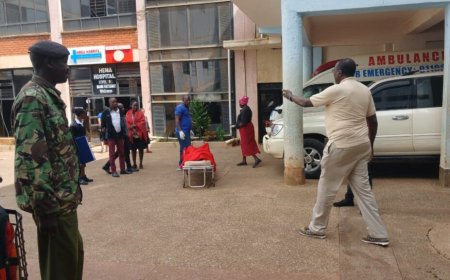
Kenyan officials have stressed that any cooperation adheres to national laws and biosafety protocols while supporting broader regional health security. The government continues to emphasize that Kenya remains Ebola-free amid heightened preparedness measures.US officials describe the Kenya facility as a pragmatic response to deliver timely, high-quality care while minimizing risks associated with long-distance transport. The situation remains fluid, with cargo flights previously noted at Laikipia now paused by the court ruling. Regional travel screening has intensified, and further developments are anticipated after the upcoming court hearing and ongoing international coordination by the WHO and Africa CDC.This arrangement highlights the challenges of mounting rapid international health responses in a geopolitically complex and interconnected region.
What's Your Reaction?
 Like
0
Like
0
 Dislike
0
Dislike
0
 Love
0
Love
0
 Funny
0
Funny
0
 Angry
0
Angry
0
 Sad
0
Sad
0
 Wow
0
Wow
0