






















SOUTH AFRICA GRIPPED BY FRESH WAVE OF XENOPHOBIC VIOLENCE TARGETING MIGRANTS
South Africa is facing a dangerous surge in xenophobic violence as Operation Dudula and allied groups attack foreign nationals, loot their businesses, and issue a June 30 deadline for migrants to leave the country, triggering widespread fear and international condemnation.

SOUTH AFRICA GRIPPED BY FRESH WAVE OF XENOPHOBIC VIOLENCE TARGETING MIGRANTS
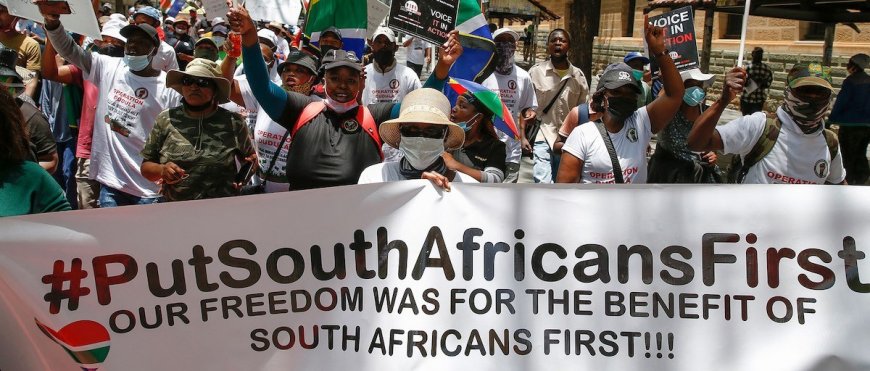
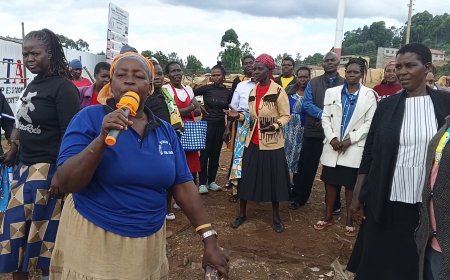
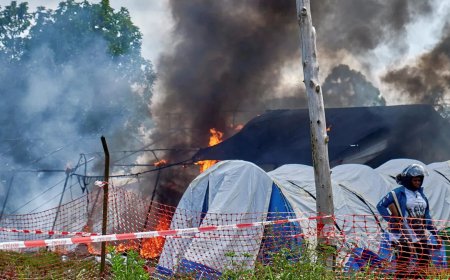
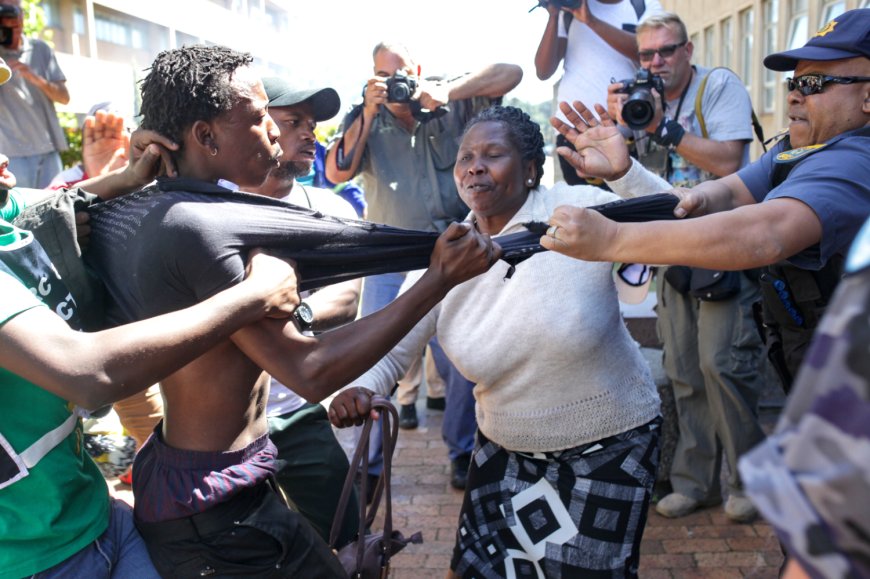
JOHANNESBURG — Since late March and early April 2026, South Africa has experienced a sharp increase in anti-foreigner protests, intimidation, and violence, mainly targeting migrants from other African countries. Vigilante groups such as Operation Dudula and allied movements have intensified so-called “cleanup operations” in major cities including Johannesburg, Pretoria, and Durban. These actions have led to the looting and destruction of foreign-owned shops, physical attacks on migrants, and growing fear within migrant communities.
Reports indicate that at least several people have been killed in the recent unrest, including two Nigerians and other African nationals. Foreign-owned businesses have been ransacked, while migrants have faced street harassment, demands for identity documents, and denial of access to schools and health facilities. Some group leaders have issued public ultimatums, reportedly giving foreign nationals until June 30, 2026, to leave the country or face further consequences. This has created widespread panic among both undocumented and documented migrants.
The unrest is driven by deep frustrations over South Africa’s persistently high unemployment rate of around 32–33 percent, widespread poverty, and the belief that migrants are responsible for rising crime, job shortages, and pressure on public services. While concerns about irregular immigration exist, critics say these grievances are being exploited and have crossed into outright xenophobia and vigilantism. Operation Dudula, active since around 2021–2022, presents itself as a movement protecting South African citizens by conducting patrols and protests under the slogan “putting South Africans first.” Human rights groups and courts have previously described some of its activities as unlawful and xenophobic.
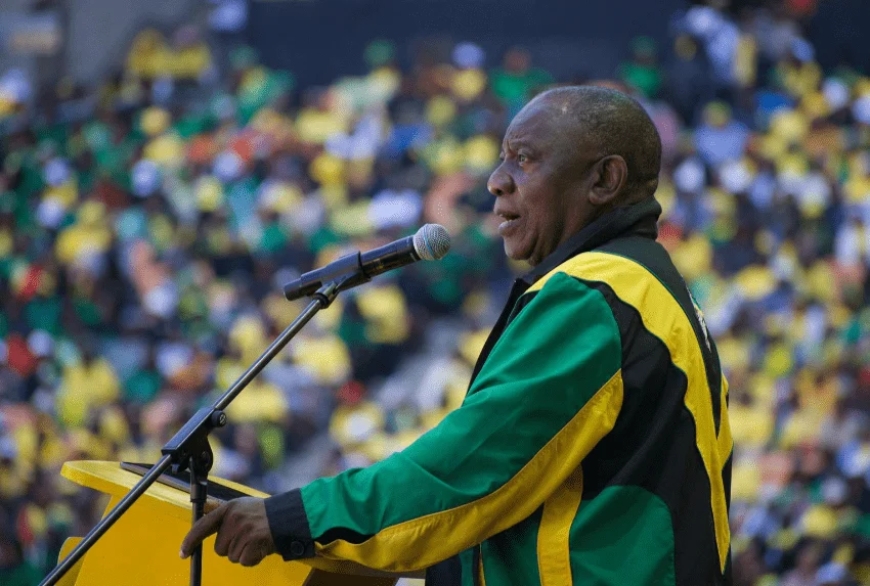
President Cyril Ramaphosa has strongly condemned the violence, declaring that there is “no place in South Africa for xenophobia, ethnic mobilisation, intolerance or violence.” The government has pledged that law enforcement agencies will protect all residents and that legitimate issues around illegal immigration will be handled through proper legal channels. However, many critics, including human rights organisations and affected communities, accuse the police of responding too slowly or inadequately, with some incidents reportedly occurring while officers stood by.
The violence has triggered strong reactions across the continent. Countries including Nigeria, Ghana, Kenya, Malawi, Lesotho, and Zimbabwe have issued travel warnings to their citizens. Nigeria has repatriated at least 130 of its nationals following the deaths of two citizens, while others have arranged returns and summoned South African diplomats. The African Commission on Human and Peoples’ Rights has expressed grave concern and called on the South African government to dismantle vigilante activities.
This latest outbreak follows a long pattern of similar episodes in South Africa, including major waves in 2008 that claimed over 60 lives, as well as recurring incidents in 2015 and the 2020s. Migrants make up roughly 4–5 percent of the country’s population but are frequently scapegoated during periods of economic hardship.
As the reported June 30 deadline approaches and tensions remain high, many migrants are living in uncertainty. Civil society groups are urging stronger protection for foreign nationals, accountability for those inciting violence, and a more effective government response that addresses both irregular migration and the underlying causes of domestic discontent. The situation continues to test South Africa’s social cohesion and its role as a regional leader in Africa.
What's Your Reaction?
 Like
0
Like
0
 Dislike
0
Dislike
0
 Love
0
Love
0
 Funny
0
Funny
0
 Angry
0
Angry
0
 Sad
0
Sad
0
 Wow
0
Wow
0