























FURY PROTESTS ERUPT NATIONWIDE AS FUEL PRICES PUSH KENYA’S TRANSPORT SECTOR TO BREAKING POINT

Thousands of commuters were stranded across Kenya as nationwide protests and a transport strike erupted over soaring fuel prices, disrupting businesses and paralysing movement in major towns.


May 18, 2026 - 13:34
May 18, 2026 - 15:34
 0
FURY PROTESTS ERUPT NATIONWIDE AS FUEL PRICES PUSH KENYA’S TRANSPORT SECTOR TO BREAKING POINT

Thousands of commuters across Kenya were left stranded on Monday, 18 May 2026, after public transport operators launched a nationwide strike protesting the sharp rise in fuel prices, paralysing transport and disrupting businesses across major towns and cities.

Major roads remained unusually deserted as matatu operators, bus companies, truck drivers, and motorists stayed off the roads following a directive issued by the Transport Sector Alliance. In many areas, commuters were forced to walk long distances to work, while some schools advised learners to remain at home due to transport challenges. Several businesses also remained closed as demonstrations intensified in different parts of the country.

Footage circulating online showed protesters barricading roads using stones and burning tyres, with demonstrations reported in Nairobi, Kisii, Kitui, Makueni, and other regions. In parts of Nairobi, police engaged protesters in running battles and fired tear gas to disperse crowds after clashes broke out. There were also reports of protesters stopping motorists and disrupting movement along key highways.

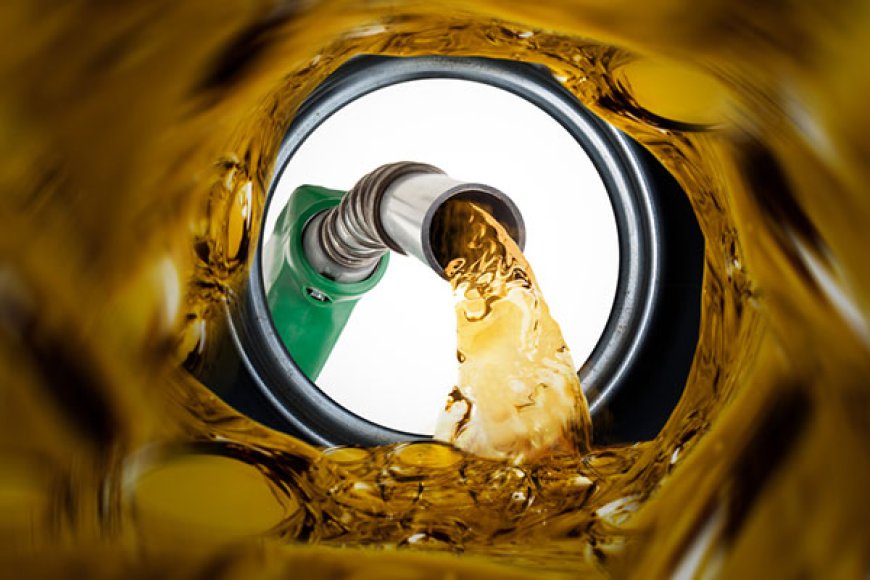
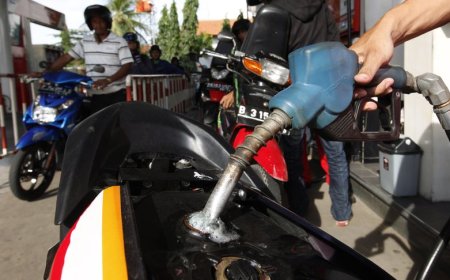
The strike follows last week’s announcement by the Energy and Petroleum Regulatory Authority (EPRA) of a steep increase in fuel prices. Petrol and diesel prices rose by more than 20 percent, pushing pump prices to approximately KSh242 per litre in some parts of the country. The increase has sparked nationwide outrage amid the already high cost of living.

Kenya, which heavily relies on imported fuel from Gulf countries, has been affected by disruptions in global oil supply chains linked to the recent US-Israel conflict with Iran that began on 28 February 2026. Although a ceasefire was later declared, global fuel prices have remained high due to continued tensions and the blockage of the Strait of Hormuz, a critical global oil transport route.

In a statement, the Transport Sector Alliance defended the industrial action, saying the strike was aimed at pushing the government to address the rising cost of living affecting ordinary Kenyans.

“This action is not only for transport operators, but for every Kenyan citizen,” the alliance stated.

The alliance further accused the government of failing to cushion citizens from the economic burden caused by soaring fuel prices and demanded an immediate reduction of fuel costs by at least 35 percent.

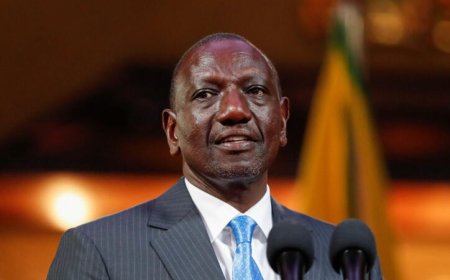
Treasury Cabinet Secretary John Mbadi described the latest fuel price increase as “unfortunate” and acknowledged the negative impact it was having on the economy. However, he criticised the nationwide strike, terming it unnecessary.

“The matatu strike is completely uncalled for, even though the prices of fuel have gone up. Why are we trying to solve a global problem using domestic means?” Mbadi said.

The fuel price hike has already triggered increases in public transport fares and the cost of essential commodities, with traders warning that prices of food and basic household goods could rise even further in the coming days.

Last month, the government reduced Value Added Tax (VAT) on fuel from 16 percent to 8 percent until July in an attempt to ease pressure on consumers. Despite the move, many Kenyans continue to demand stronger interventions to lower fuel prices and reduce the rising cost of living.

What's Your Reaction?

Like Like 0
Dislike Dislike 0
Love Love 0
Funny Funny 0
Angry Angry 0
Sad Sad 0
Wow Wow 0