






























FINANCE BILL 2026: KENYANS SPEAK OUT AS TAX DEBATE SPARKS NATIONWIDE HEAT
Public participation forums on the Finance Bill 2026 are ongoing across Kenya as wananchi voice concerns and opinions on proposed tax measures expected to shape the country’s economic direction for the 2026/2027 financial year.


Public participation forums on Kenya’s Finance Bill 2026 are currently underway across the country as the government seeks citizens’ views on proposed tax and revenue measures for the 2026/2027 financial year. The exercise, being conducted by the National Assembly’s Departmental Committee on Finance and National Planning, has attracted widespread public interest due to concerns over the rising cost of living and the impact of new tax proposals on ordinary Kenyans.
The Finance Bill is one of the most important pieces of legislation in the country because it outlines how the government intends to raise revenue to fund national development projects, pay public debt, and finance essential services such as healthcare, education, infrastructure, and security. Under Article 118 of the Constitution of Kenya, Parliament is required to involve the public in the law-making process before any bill is passed into law.
This year’s public participation process began in May 2026, with forums being held in various counties to allow wananchi, business owners, civil society groups, professional associations, and other stakeholders to present their views. Parliament also invited written memoranda through email submissions, constituency offices, and online platforms to ensure broader public involvement.
The Finance Bill 2026 proposes amendments to several tax laws, including the Income Tax Act, the Value Added Tax (VAT) Act, the Excise Duty Act, the Tax Procedures Act, the Stamp Duty Act, and the Miscellaneous Fees and Levies Act. According to Treasury estimates, the proposed measures are expected to help the government raise an additional KSh117 billion in revenue.
Among the proposals that have sparked debate is the planned increase in excise duty on mobile phone-related products and services, which many Kenyans fear could increase the cost of communication and digital access. Other discussions have focused on taxes affecting imports, digital services, rental income, and small businesses. Consumer groups and traders have expressed concerns that additional taxes could worsen the economic burden on households already struggling with high food prices, fuel costs, and unemployment.
However, the government has moved to clarify several issues that caused public anxiety online. Treasury Cabinet Secretary John Mbadi dismissed reports claiming that the bill introduces a tax on bread or grants the government access to private M-Pesa data. He also clarified that no new cryptocurrency tax had been introduced. According to the Treasury, some proposals that faced strong public opposition, including certain taxes targeting mitumba businesses and adjustments to rental income tax, were either reviewed or withdrawn after consultations with stakeholders.
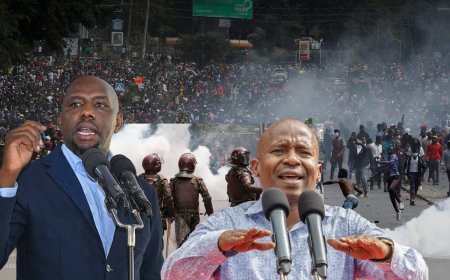
The ongoing consultations come at a time when the government is under pressure to balance revenue collection with public welfare. The memory of the controversial Finance Bill 2024 remains fresh in the minds of many Kenyans after nationwide protests erupted over tax increases and economic hardship. The demonstrations, largely driven by young people, pushed the government to reconsider several proposals and highlighted the growing demand for transparency, accountability, and meaningful public engagement in governance.
Political leaders, economists, and civil society organizations have continued to encourage Kenyans to actively participate in the process by attending forums and submitting recommendations. Analysts say effective public participation can help Parliament make informed decisions and ensure that the final law reflects the interests and realities of citizens.
As the forums continue across the country, attention now turns to Parliament, where lawmakers will review the public submissions before debating, amending, and eventually voting on the Finance Bill 2026. The outcome of the process is expected to shape Kenya’s economic direction and taxation policies for the coming financial year.
What's Your Reaction?
 Like
0
Like
0
 Dislike
0
Dislike
0
 Love
0
Love
0
 Funny
0
Funny
0
 Angry
0
Angry
0
 Sad
0
Sad
0
 Wow
0
Wow
0