




























TRANSPORT STRIKE CALLED OFF: KENYAN COMMUTERS WIN AS TRANSPORT OPERATORS BACK DOWN AFTER RUTO DEAL
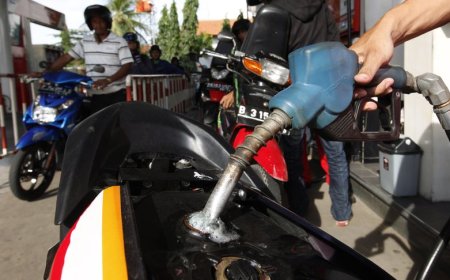
Transport operators have called off the planned nationwide strike after President Ruto’s government agreed to cut diesel prices by KSh 10 per litre, bringing relief to millions of Kenyan commuters.


Transport Strike Called Off: Relief for Millions of Kenyan Commuters
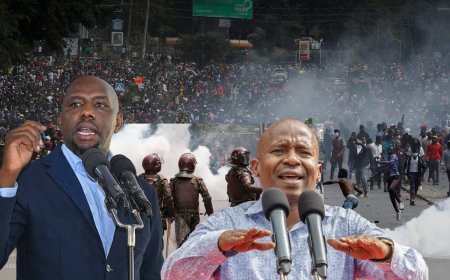
NAIROBI, Kenya — Kenyans breathed a major sigh of relief on Friday, May 22, 2026, after public transport operators officially called off the planned nationwide strike that was set to resume on May 26.The decision came after high-level talks chaired by President William Ruto at State House in Mombasa, where transport sector leaders agreed that most of their demands had been addressed.The strike, which had paralysed public transport services earlier in the week, was triggered by sharp increases in fuel prices announced by the Energy and Petroleum Regulatory Authority (EPRA) on May 14. Operators protested the high cost of diesel, which had risen significantly due to global oil market disruptions linked to geopolitical tensions in the Middle East.
Key concessions from the government:
The initial strike, which began on May 18, caused significant disruption across the country, leading to school closures, business losses, and protests in several towns. The action was first suspended for one week to allow negotiations.
- A KSh 10 per litre reduction on diesel prices, expected to take effect around mid-June, lowering the price in Nairobi from approximately KSh 232.86 to KSh 222.92.
- Temporary suspension of enforcement of certain controversial regulations affecting matatus.
- Continued engagement on broader issues including operational costs and long-term fuel price stabilization.
Government position
President Ruto assured operators that the government is committed to stabilizing the transport sector. He highlighted existing interventions such as the Petroleum Development Levy Fund, which has already been used to cushion prices, and long-term plans to promote electric vehicles and renewable energy.However, the KSh 10 reduction falls short of the operators’ initial demand for a much steeper cut of up to KSh 46 per litre.
Impact on commuters
Millions of Kenyans who depend on matatus, buses, and boda bodas for daily travel can now expect normal services to resume without further disruption next week. The development brings much-needed relief to workers, students, and businesses that were badly affected by the earlier paralysis.Talks between the government and transport stakeholders will continue in the coming weeks to seek a more sustainable solution to rising operational costs.
This latest development marks another chapter in Kenya’s recurring fuel price challenges, as the country grapples with global oil volatility while trying to protect citizens from high living costs.
What's Your Reaction?
 Like
0
Like
0
 Dislike
0
Dislike
0
 Love
0
Love
0
 Funny
0
Funny
0
 Angry
0
Angry
0
 Sad
0
Sad
0
 Wow
0
Wow
0