



























OPINION: RECKLESSNESS, NOT CALCULATED MURDER – UNDERSTANDING STUDENT UNREST FIRES LIKE UTUMISHI GIRLS ACADEMY
While the Utumishi Girls fire tragedy demands justice, it was likely driven by reckless impulsiveness and poor judgment — not deliberate intent to kill. A closer look at teenage unrest, fire’s unpredictability, and boarding school realities.

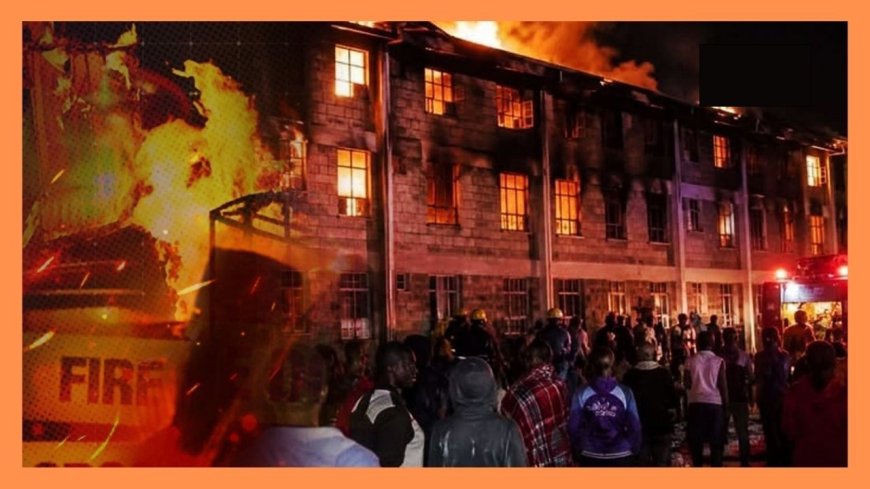
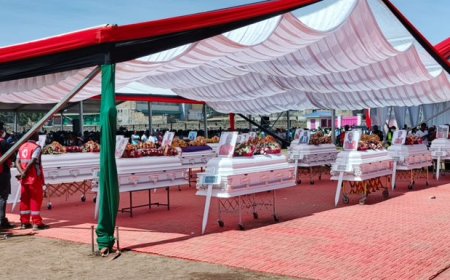
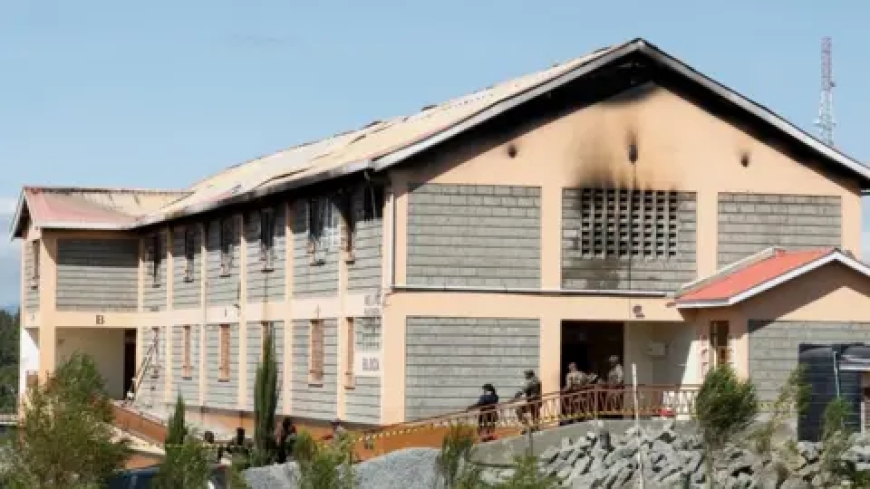
The tragic fire at Utumishi Girls Academy in Gilgil, which claimed the lives of 16 students and injured dozens more, has shocked Kenya and reignited national grief over boarding school safety. While investigations continue and those responsible must face accountability under the law, it is important to distinguish between deliberate intent to kill and the reckless, impulsive acts that often characterize such incidents.
Teenagers, especially in high-pressure boarding environments, frequently fail to fully grasp the long-term consequences of their actions. Driven by anger, frustration, peer pressure, or a desire to protest grievances—such as changes in exam timetables, school fees, or other administrative issues—they may resort to dramatic gestures like damaging property. In the heat of the moment, the focus is on immediate emotional release or attracting attention, not on foreseeing a full-blown catastrophe. What begins as an act of indiscipline or protest can spiral out of control far beyond what was imagined.
Fire exemplifies this unpredictability. A small blaze started on mattresses or other items, intended perhaps to cause disruption, create smoke for alarm, or force an evacuation, can spread with terrifying speed in crowded dormitories filled with bunk beds, personal belongings, and limited escape routes. Panic, smoke inhalation, and blocked exits turn a "statement" into tragedy within minutes. The deadly outcome does not automatically equate to premeditated murder; it often reveals a profound underestimation of fire's destructive power.
This pattern appears repeatedly in similar cases across Kenya and other regions. Historical school fires linked to student unrest—whether protests against school rules, food, or administration—have often stemmed from collective frustration rather than a cold-blooded plan to end lives. Students share the same dorms, classes, and daily hardships; they form bonds, friendships, and a makeshift community. It strains belief that many would deliberately seek to massacre their own peers and friends. Conflicts exist, yes, but they more commonly fuel reckless rebellion than calculated homicide.
Broader context matters. Boarding school life amplifies adolescent impulsivity through stress, limited outlets for expression, and sometimes inadequate grievance mechanisms. Many past incidents worldwide involving dorm fires or property destruction trace back to indiscipline, protests, or copycat behavior during waves of unrest, not homicidal intent. This does not absolve the actors of responsibility—their choices were dangerous and catastrophic—but it frames the difference between manslaughter-level recklessness and first-degree murder.School design and safety preparedness also play critical roles in outcomes. Overcrowded dormitories, insufficient fire alarms, locked exits, poor evacuation training, or delayed response can dramatically worsen consequences, even if the initial act was not meant to be lethal. Thorough investigations must therefore examine not only who started the fire but also systemic failures in protection.
In the Utumishi case and parallels, the evidence often points to poor judgment, immaturity, emotional escalation, and failure to anticipate devastation rather than a specific desire to kill fellow students. The profound loss of innocent young lives demands justice, compassion for the bereaved, and urgent reforms in school safety, student welfare, and conflict resolution. But rushing to label every such act as intentional mass murder risks overlooking the human and developmental factors at play. True accountability requires understanding the full picture: the spark of unrest, the reckless act, and the uncontrollable consequences. Only then can we prevent future tragedies while ensuring fairness in how we judge those involved. The truth, as always, must emerge from impartial investigation—not assumptions.
What's Your Reaction?
 Like
0
Like
0
 Dislike
0
Dislike
0
 Love
0
Love
0
 Funny
0
Funny
0
 Angry
0
Angry
0
 Sad
0
Sad
0
 Wow
0
Wow
0