




















HORMUZ UNLEASHED: US AND IRAN STRIKE HISTORIC DIGITAL PEACE DEAL.
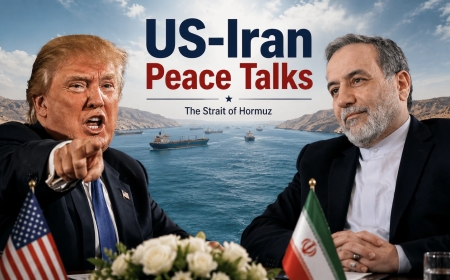
In a stunning breakthrough, the US and Iran have signed a landmark digital peace agreement ending months of conflict and reopening the Strait of Hormuz, unlocking one-fifth of the world’s oil supply. Trump hailed the deal as tankers prepare to resume passage through the critical chokepoint.

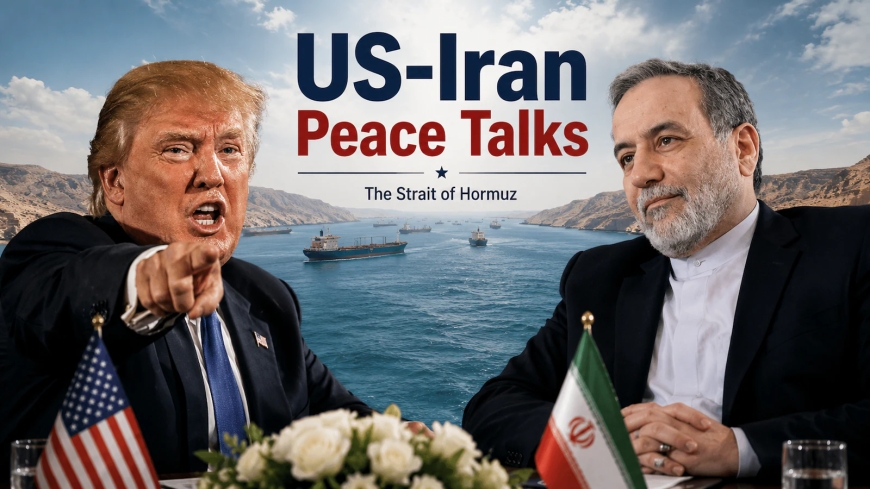
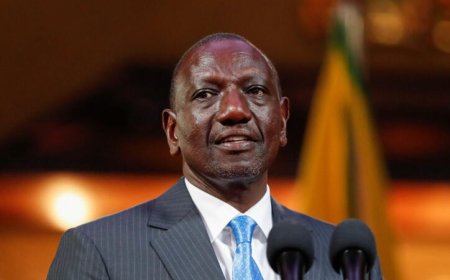
In a dramatic turning point that could reshape the Middle East and calm turbulent global energy markets, the United States and Iran have struck a landmark digital peace agreement to end months of devastating conflict and fling open the Strait of Hormuz — the vital artery carrying one-fifth of the world’s oil. President Donald Trump and Iranian President Masoud Pezeshkian digitally signed the interim memorandum of understanding, with a formal ceremony set for Friday in Switzerland.
The deal marks a pivotal moment following more than 100 days of fighting that began in late February 2026. It effectively ends the U.S. naval blockade and Iran's restrictions on the strait, a critical chokepoint through which roughly one-fifth of global oil and natural gas supplies historically flowed. Trump publicly authorized the "toll-free" reopening, urging tankers to resume operations once hazards such as mines are cleared, stating on Truth Social: "Ships of the World, start your engines. Let the oil flow!"
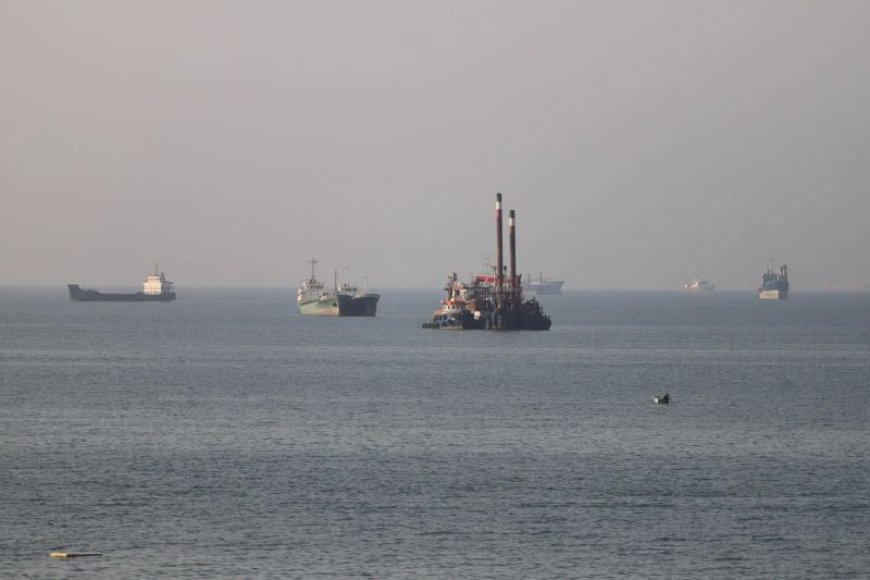
According to U.S. officials, the agreement includes an immediate and permanent termination of military operations, a 60-day extension of the existing ceasefire, and commitments to safe, toll-free passage for commercial vessels through the Strait of Hormuz for at least that period. Iran is expected to take steps to restore full traffic, though full normalization may take weeks amid ongoing de-mining and safety concerns.
The memorandum also paves the way for negotiations on Iran's nuclear program, including steps to dilute highly enriched uranium stockpiles, potential sanctions relief allowing Iran to sell oil freely, and the establishment of a reconstruction fund reportedly valued around $300 billion. It addresses broader regional issues, such as affirming Lebanon's territorial integrity, though it does not explicitly require Israeli withdrawal from Lebanon.
The digital signing involved high-level representatives, with U.S. Vice President JD Vance and Iranian Parliament Speaker Mohammad Bagher Ghalibaf reportedly signing on Sunday, and Trump witnessing or also signing electronically. Both leaders later confirmed the accord. Pakistan's Prime Minister Shehbaz Sharif, who helped mediate, announced that the MoU is now in effect.
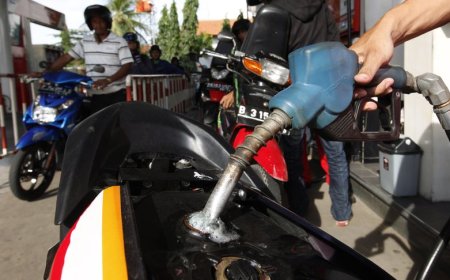
Oil prices dropped sharply on news of the reopening, offering relief to global energy markets strained by the disruption. Shipping traffic is expected to ramp up gradually, with analysts projecting it could reach nearly 50% of pre-war levels within 30 days if implementation proceeds smoothly. Israel has expressed skepticism, with officials emphasizing that Iran must never acquire a nuclear weapon. Iranian officials have signaled they may seek to reimpose fees on shipping after the initial 60-day period, highlighting ongoing tensions.
This interim deal is not a comprehensive final peace treaty but a bridge toward resolving deeper issues, including Iran's nuclear ambitions, sanctions, and regional security. Implementation will depend on compliance, de-mining efforts, and the success of upcoming talks. Events remain fluid, with analysts cautioning that the agreement should not be overestimated as a permanent resolution.
As vessels begin to move and diplomats prepare for the formal signing, the world watches to see whether this digital handshake can deliver lasting stability to one of the planet's most volatile regions.
What's Your Reaction?
 Like
0
Like
0
 Dislike
0
Dislike
0
 Love
0
Love
0
 Funny
0
Funny
0
 Angry
0
Angry
0
 Sad
0
Sad
0
 Wow
0
Wow
0