































KENYA FUEL CRISIS: EPRA HIKES DIESEL BY KSH 46.29 TO KSH 242.92 & PETROL BY KSH 16.65 TO KSH 214.25 EFFECTIVE 15 MAY 2026
Kenya woke up to sharp fuel price increases yesterday after EPRA’s latest review. Diesel jumped by KSh 46.29 to KSh 242.92 per litre, while Super Petrol rose by KSh 16.65 to KSh 214.25 per litre. The hikes, driven by high global oil prices, expensive freight, and a weak shilling, are expected to push up transport fares, food prices, and living costs nationwide.

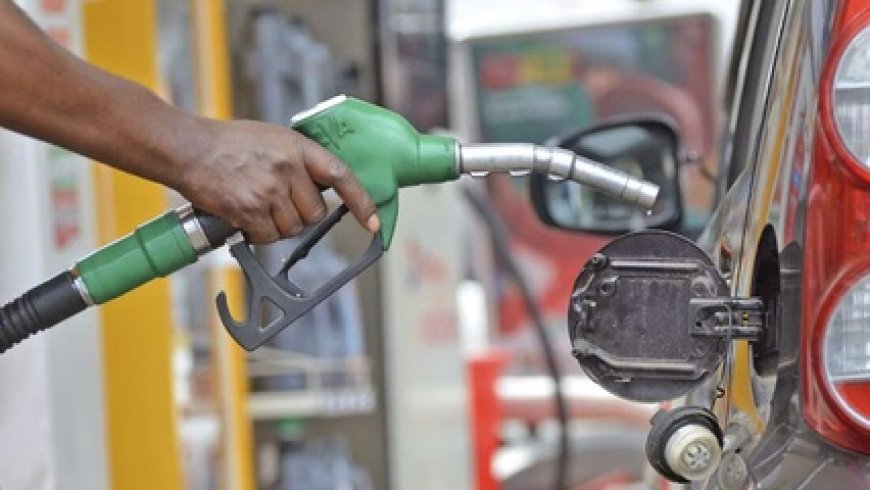
Kenya is grappling with a severe fuel crisis that is pushing living costs higher and highlighting the country’s vulnerability to distant international conflicts. The latest review by the Energy and Petroleum Regulatory Authority (EPRA), announced on 14 May 2026 and effective from 15 May until the next review on 14 June 2026, has triggered significant price hikes at the pump. Super Petrol now sells for approximately KSh 214 per litre after rising by around KSh 17, while Diesel has surged even more sharply to about KSh 243 per litre following an increase of over KSh 46. These adjustments come on top of previous hikes in April and early May, where petrol rose by nearly KSh 28–29 and diesel by around KSh 40 per litre.
The Energy and Petroleum Regulatory Authority attributes the increases primarily to unstable global oil markets, elevated freight and shipping charges, and the weakening Kenyan shilling. Brent crude prices have remained elevated near or above the USD 100–130 per barrel range amid ongoing tensions. Although the government reduced VAT on fuel from 16% to 13% and continues to provide subsidies, these measures have offered only partial relief against the strong international headwinds.
The impact is being felt across the economy. Diesel powers public transport matatus, trucking, agriculture, and electricity generation, raising fears of broader price increases in transport fares, food commodities, and power bills. Many Kenyans worry that the higher costs will further squeeze household budgets and slow business activity.
Adding to public frustration are reports of fuel shortages in several parts of the country. While the government insists that national reserves remain sufficient, it has accused some oil marketing companies of hoarding products to create artificial scarcity and profit from the situation. The crisis has been compounded by a major scandal involving a disputed substandard fuel consignment, estimated at around 60,000 tonnes and valued near KSh 4.8 billion, which was imported outside the official government-to-government procurement system. The shipment was flagged for quality issues, including excessive levels of manganese and sulphur. The government cancelled its distribution, leading to the arrest and resignation of senior energy officials. Investigations are ongoing, though EPRA has confirmed the consignment was not factored into the latest official price calculations.
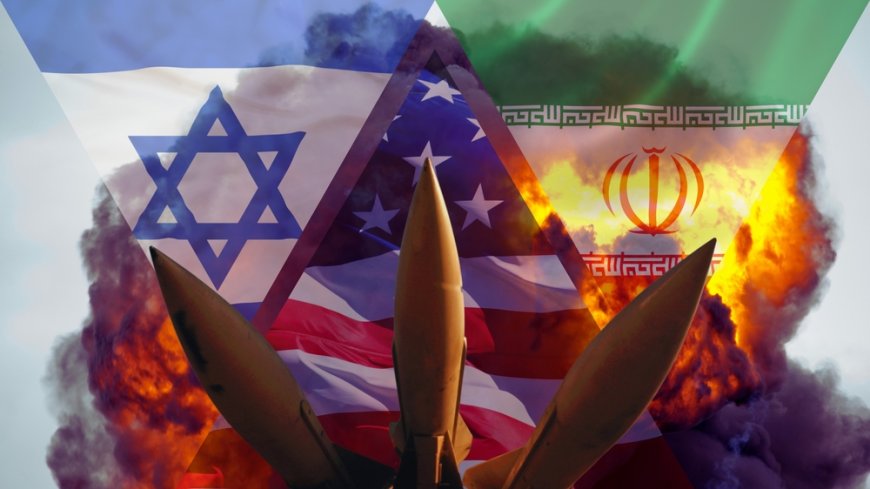
At the root of Kenya’s troubles are escalating geopolitical tensions involving Iran, the United States, and Israel. The conflict that intensified on 28 February 2026 severely disrupted operations in the Strait of Hormuz — a critical chokepoint responsible for 20–30% of global seaborne oil and LNG shipments. A conditional two-week ceasefire signed last Wednesday included provisions to reopen the strait, yet oil shipments through the route remain heavily disrupted, keeping global energy markets volatile and prices elevated.
Kenya is not alone in facing these challenges. Several African countries have introduced emergency measures: South Africa temporarily reduced fuel levies, while Zambia, Namibia, and Ghana announced various tax relief initiatives. South Sudan resorted to electricity rationing, and Ethiopia prioritised fuel allocation to essential sectors. These responses underscore how heavily many African economies still depend on imported petroleum and how quickly international conflicts translate into local economic pain.
As the next EPRA review approaches in mid-June, sustained stability in global oil markets and greater transparency in local supply chains will be essential. For ordinary Kenyans feeling the pinch at the pump and in their daily expenses, the current crisis serves as a clear reminder of how interconnected the world has become — where distant tensions can rapidly turn into higher costs for fuel, food, and transport at home.
What's Your Reaction?
 Like
0
Like
0
 Dislike
0
Dislike
0
 Love
0
Love
0
 Funny
0
Funny
0
 Angry
0
Angry
0
 Sad
0
Sad
0
 Wow
0
Wow
0